

 English
 Español
 عربى
عربىThe company adhering to the "customer first and forge ahead" business philosophy, adhere to provide our customers with quality service.
Which wears out faster in everyday use: foam rope or rubber rope?
Training Gear · Durability
Foam vs. Rubber: The Wear Test
Everyday use tells a different story than the showroom. Here's how each material actually holds up over months of real training.
The Direct Answer: Foam Wears Out Faster Than Rubber in Everyday Use
In everyday use, foam jump ropes wear out noticeably faster than rubber jump ropes, primarily because foam is a softer, more porous material that compresses, flattens, and degrades under repeated friction and hand pressure. Rubber, being denser and more chemically stable, resists cracking, splitting, and surface breakdown for a much longer stretch of regular use. On average, a foam-handled rope used four to five times a week may begin showing visible wear — flattened grips, surface pitting, or cable fraying — within two to four months, whereas a comparable rubber band skipping rope can often maintain functional integrity for eight months to over a year under similar conditions.
That said, "wearing out faster" doesn't automatically make foam the worse choice for every user. The rate and type of wear differ significantly depending on where the rope is used, how it's stored, and what kind of training it's put through. The rest of this article breaks down exactly where, why, and how fast each material deteriorates.
Understanding the Material Science Behind Wear
To understand why foam degrades faster, it helps to look at the structural makeup of each material. Foam handles are typically made from expanded polymer materials with a cellular, air-filled structure. This structure is what makes foam soft and cushioned, but it also makes it inherently less resistant to compression fatigue — the repeated squeezing and releasing that happens every time your hand grips the handle during a workout.
rubber jump ropes
Rubber, in contrast, has a solid, non-porous molecular structure. It doesn't rely on trapped air pockets for its cushioning effect, which means it holds up better against repeated compression, friction, and exposure to sweat, sunlight, and temperature swings. This is one of the core reasons a rubber band skipping rope tends to feel structurally similar after months of use, while a foam rope often shows visible changes within weeks.
Key Structural Differences
- Foam: cellular, air-filled, more susceptible to compression fatigue
- Rubber: dense, solid structure, more resistant to friction and compression
- Foam absorbs moisture, which can accelerate internal breakdown over time
- Rubber is largely water-resistant, slowing moisture-related degradation
How Usage Frequency Affects Lifespan
The frequency and intensity of use plays a major role in how quickly either material breaks down. A rope used casually two to three times a week will naturally outlast one used in daily high-intensity interval training or competitive skipping.
| Usage Frequency | Foam Handle Lifespan | Rubber Handle Lifespan |
|---|---|---|
| Light (1–2 times/week) | 6–9 months | 18–24 months |
| Moderate (3–4 times/week) | 3–5 months | 10–14 months |
| Heavy (5+ times/week or HIIT) | 2–4 months | 8–12 months |
These figures are general estimates based on typical consumer-grade ropes and can vary depending on manufacturing quality, but the pattern remains consistent: rubber handles generally last two to three times longer than foam handles under the same usage conditions.
Where Wear Shows Up First on Each Material
Wear doesn't happen uniformly across a jump rope — certain areas break down before others, and the pattern differs between foam and rubber construction.
Common Foam Wear Points
- Grip flattening where fingers make the most contact
- Surface pitting or small tears near the handle-to-cable joint
- Discoloration from sweat absorption over repeated sessions
- Slight shrinkage or hardening if exposed to direct sunlight or heat
Common Rubber Wear Points
- Surface cracking after extended UV exposure, particularly outdoors
- Cable fraying near the connection points from friction against pavement
- Slight stiffening in cold temperatures, which can affect swing feel
- Minor surface glazing from consistent ground contact during rubber band skipping sessions on rough surfaces
Environmental Factors That Accelerate Wear
Where and how a rope is used has a substantial effect on how quickly it degrades, regardless of material. Understanding these factors helps explain why two identical ropes can wear at very different rates.
Surface Type
Concrete and asphalt are significantly more abrasive than rubber gym flooring or wood. A rope used consistently on outdoor pavement will wear faster than one used indoors, regardless of whether it's foam or rubber. This is especially relevant for cable fraying, which tends to accelerate quickly on rough outdoor surfaces.
Heat and Sun Exposure
Both materials are vulnerable to UV degradation, but they respond differently. Foam tends to become brittle and may develop small surface cracks after prolonged sun exposure. Rubber can also degrade under UV light over time, developing a slightly tacky or cracked surface, though this typically takes considerably longer to appear than foam's heat sensitivity.
Because foam is porous, it absorbs sweat directly into its structure. Over time, this trapped moisture can weaken the internal cell structure, leading to a mushy or collapsed feel in the grip — while rubber's non-porous surface largely repels moisture, keeping it on the surface where it can simply be wiped away.
Info
Storage conditions matter as much as usage frequency — a rope left in a hot car or direct sun will age faster than one stored indoors, regardless of material.
Signs Your Rope Needs to Be Replaced
Knowing when to replace a rope — whether foam or rubber — helps prevent inconsistent training performance and reduces the risk of unexpected snapping mid-session.
Foam Rope Replacement Signals
- Handle feels noticeably softer or "mushy" compared to when new
- Visible flattening or indentation where fingers grip most often
- Small pieces of foam flaking off during use
- Persistent odor from trapped sweat that doesn't go away after cleaning
Rubber Rope Replacement Signals
- Visible surface cracking along the cable or handle
- Fraying near the connection point between cable and handle
- Reduced flexibility, causing the cable to feel stiff or kinked during rotation
- A tacky or sticky surface texture that wasn't present when new
Danger
A cable with visible fraying or cracking should be replaced immediately — continued use risks a mid-swing snap that can cause injury.
Cost-Per-Use: Weighing Durability Against Price
Because rubber ropes generally last longer, they often provide better long-term value even if the upfront cost is slightly higher than a foam alternative. Consider a simplified example: if a foam rope costs less initially but needs replacing roughly every three to four months under regular use, while a rubber band skipping rope costs modestly more but lasts closer to a full year, the rubber option frequently ends up being the more economical choice over a 12-month period, even accounting for the higher initial price.
This doesn't mean foam is a poor value overall — for users who train infrequently, want a lightweight option for travel, or prefer to replace their rope periodically for hygiene reasons, foam's shorter lifespan may not be a meaningful drawback.
Success
Calculating cost-per-month of use, rather than upfront price alone, gives a clearer picture of which rope actually saves you money over a year of training.
Extending the Lifespan of Either Material
Regardless of which material you choose, proper care can meaningfully slow down wear and extend how long the rope stays functional.
- Wipe down handles after each session to remove sweat before it soaks in or dries on the surface
- Store the rope indoors, away from direct sunlight and extreme temperatures
- Avoid dragging the cable across rough outdoor surfaces whenever possible
- Loosely coil the rope rather than folding it tightly, which can create stress points in the cable
- Rotate between two ropes if training frequently, giving each one time to fully dry between sessions
Final Takeaway
When it comes to everyday wear, foam ropes break down faster than rubber ropes, primarily due to foam's porous, compression-sensitive structure compared to rubber's denser, more resilient composition. Foam is well suited for lighter use, shorter training cycles, or users who prioritize initial comfort over long-term durability. Rubber, meanwhile, is the more resilient choice for frequent training, outdoor use, or anyone looking to minimize how often they need to replace their equipment. Matching your choice to your training frequency and environment will ultimately determine how much practical difference this wear gap makes for you.
Related Product
-
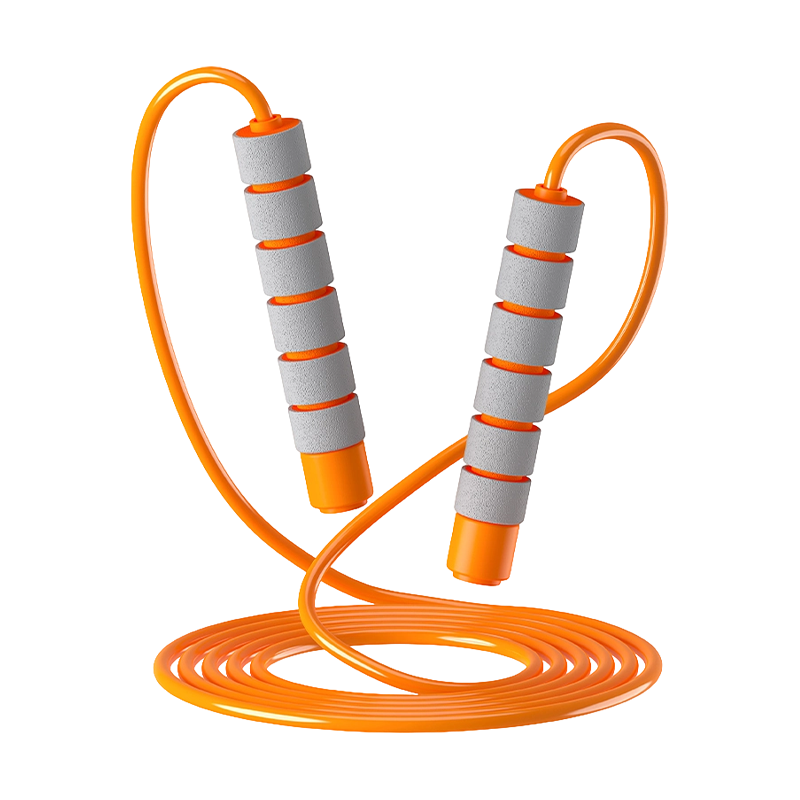
TS-1 PVC Rope Sponge Handle Jump Rope For Children
-
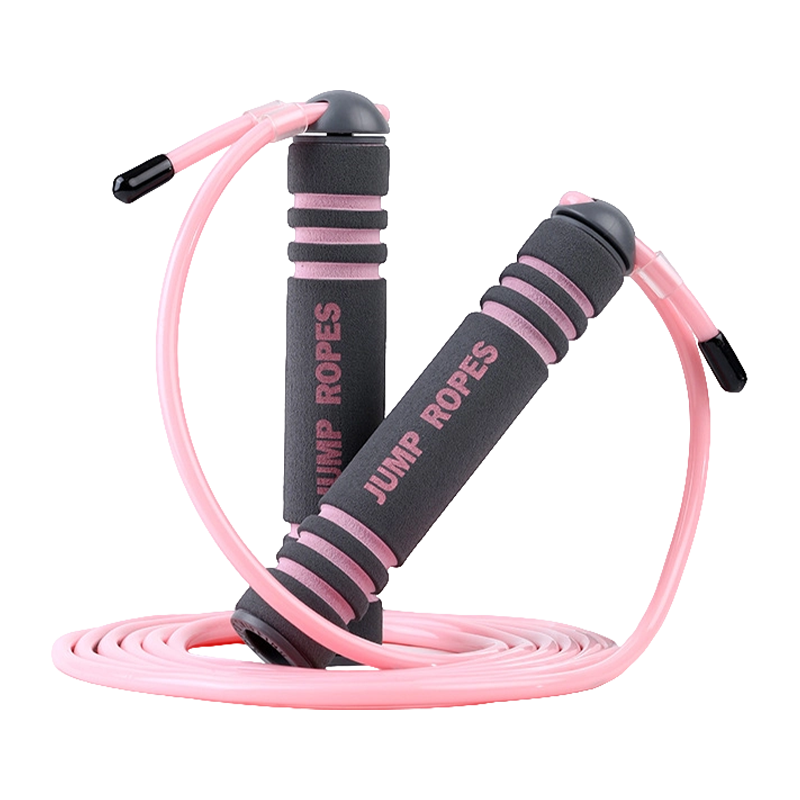
S-17 Sponge Handle Jump Rope For Children
-

TS-2 5 Slots Sponge Handle Jump Rope For Adults
-
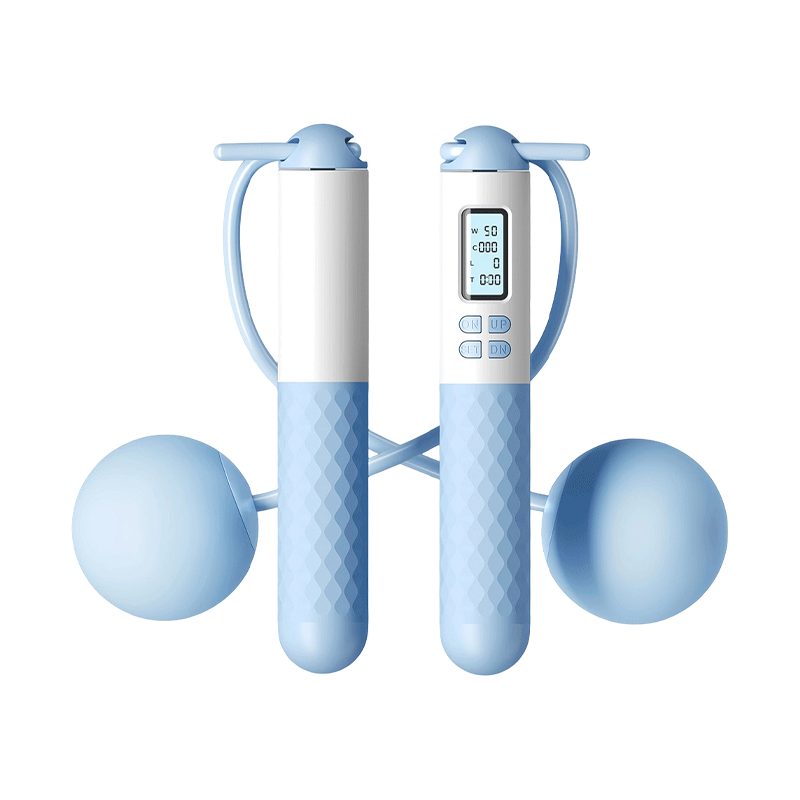
TS-7 ABS Handle Electronic Counting Jump Rope
-
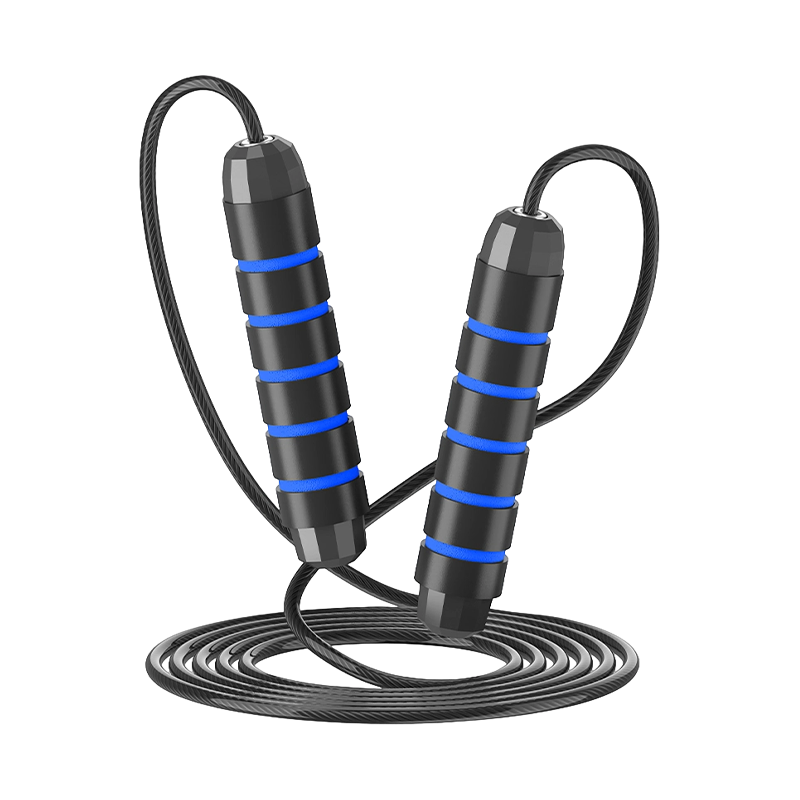
TS-3 Five-Slot Smooth Sponge Handle Jump Rope For Adults
-
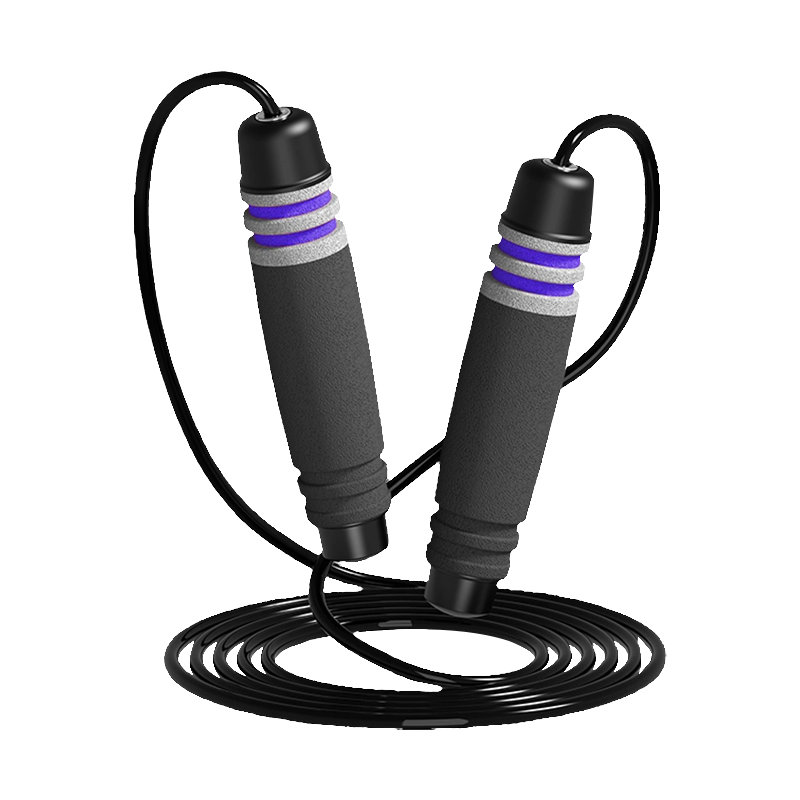
TS-3 Single Head Color/7 Groove Drum Shape Sponge Handle Jump Rope For Adults
News
-
Introduction to Racing Jump Ropes The humble jump rope, once a staple of playground nostalgia and simple cardiovascular warm-ups, has undergone a radical transformation in the mode...
READ MORE -
Discover the Power of Racing Jump Ropes Racing Jump Ropes: Defining the Speed Tool Racing Jump Ropes, often referred to as Speed Ropes, are high-performance fitness tools specifica...
READ MORE -
Introduction Jump rope workouts have long been a staple in fitness routines due to their simplicity and effectiveness. However, with the advent of technology, counting jump ropes h...
READ MORE -
Understanding the Benefits of Rubber Handle Jump Rope for Different Fitness Levels Jump rope is a simple yet highly effective fitness tool that has been gaining popularity in both ...
READ MORE

Contact Us
-

No. 215, Lane 4, Qiaotou Road, Qiaotou Town, Cixi City, Ningbo, Zhejiang Province, China.
-

+86-13867815229
-

Copyright © Cixi Lingdong Electronic Technology Co., Ltd. ALL rights reserved

UP