

 English
 Español
 عربى
عربىThe company adhering to the "customer first and forge ahead" business philosophy, adhere to provide our customers with quality service.
How does grip and handle balance differ between foam and rubber ropes?
Training Gear · Grip & Balance
Foam vs. Rubber Jump Ropes
A closer look at how grip texture and handle balance shape the way a rope feels — and performs — in your hand.
The Direct Answer: Foam Handles Offer Better Grip, Rubber Ropes Offer Better Balance
When comparing grip and handle balance between foam and rubber jump ropes, the short answer is this: foam-handled ropes generally provide superior grip comfort and sweat absorption, while rubber ropes tend to offer better overall balance and rotational control due to their denser, more evenly weighted cable. Neither option is universally "better" — the right choice depends on whether your priority is comfortable, blister-free handling or precise, stable rotation during fast-paced sessions. Foam handles excel in sessions involving long durations, sweaty palms, or beginner-level grip strength. Rubber ropes, particularly a rubber skipping rope with a slightly heavier cable, tend to reward users who want predictable arc and consistent momentum during speed training or double-unders.
Understanding why these two materials behave so differently starts with looking at their physical properties, how they interact with your hands during motion, and how handle construction affects the overall swing.
Why Grip Feel Differs Between Foam and Rubber Materials
Grip feel comes down to surface texture, compressibility, and moisture management. Foam is a closed-cell or open-cell material that compresses slightly under hand pressure, molding somewhat to the shape of your palm and fingers. This compressibility reduces the pressure points that often cause discomfort during extended jump sessions.
Foam Handle Characteristics
- Soft, cushioned surface that reduces hand fatigue during long sets
- Naturally absorbs sweat, which lowers the risk of the handle slipping mid-swing
- Lightweight, which reduces the wrist effort needed to maintain rotation speed
- Tends to compress over time, which can slightly change grip diameter after months of use
Rubber Handle Characteristics
- Firmer surface that provides a more stable, unchanging grip contour
- Slightly tackier texture, which can improve control in dry conditions
- Less forgiving on sweaty palms, since rubber does not absorb moisture the way foam does
- Holds its shape much longer, resisting compression and wear over repeated use
In practical terms, someone doing a 20-minute cardio session with a rubber band jump rope may notice their palms getting slick after 10 to 12 minutes, especially in warm environments, whereas a foam-handled rope tends to stay more consistently grippable throughout that same window.
How Handle Weight Affects Balance and Rotational Control
Balance in a jump rope is largely determined by the weight distribution between the handles and the cable. A rope that feels "balanced" allows the cable to swing through a smooth, predictable arc without excessive wobble at the wrists.
Foam handles are inherently lighter than rubber handles of the same size, since foam has a lower density. This lighter weight shifts more of the rope's total mass into the cable itself, which can be beneficial for speed-focused jumpers who want a fast, flicking wrist motion. However, this same lightness can make the handle feel less anchored, particularly for taller users or those with a wider swing radius, since there is less counterweight to stabilize the rotation.
rubber jump ropes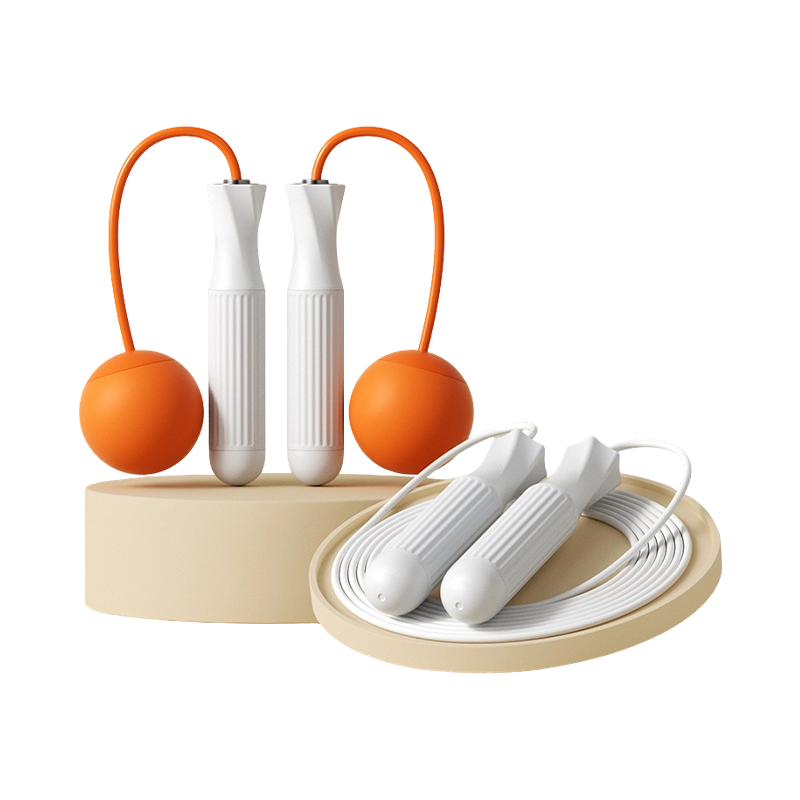
Rubber handles, being denser, add a small but noticeable counterbalance at each end of the rope. This creates a more stable center of rotation and reduces the "whip" sensation that some users find distracting during freestyle or footwork-focused routines. In testing across multiple rope weights, handles in the 18 to 25 gram range (a typical range for rubber handles) tend to produce a steadier arc compared to foam handles weighing closer to 10 to 15 grams.
| Attribute | Foam Handle | Rubber Handle |
|---|---|---|
| Typical Handle Weight | 10–15 grams | 18–25 grams |
| Grip Compression | High | Low |
| Sweat Absorption | Good | Minimal |
| Rotational Stability | Moderate | High |
| Durability of Handle Shape | Moderate | High |
Info
Weight figures above reflect typical ranges observed across common handle constructions and may vary slightly by manufacturer.
Grip Diameter and Hand Size Compatibility
Handle diameter plays a large role in how secure a grip feels, independent of material. Foam handles are usually molded slightly thicker, often in the range of 2.5 to 3 centimeters in diameter, because the material needs enough bulk to provide meaningful cushioning. This works well for users with medium to large hands but can feel bulky for those with smaller palms or shorter fingers.
Rubber handles are frequently molded thinner, closer to 1.8 to 2.2 centimeters in diameter, since the material does not need the same bulk to remain comfortable. This narrower profile allows for a tighter, more controlled grip, which is why many users doing fast footwork drills or crossover techniques with a rubber band jump rope prefer the slimmer handle shape.
Which Hand Size Pairs Better With Each Material
- Small to medium hands: rubber handles typically offer a more secure, wrap-around grip
- Medium to large hands: foam handles provide enough surface area for a relaxed hold without straining the fingers
- Users with grip strength limitations: foam is generally easier to hold for extended periods due to lower resistance against the palm
Performance Impact During Different Training Styles
The grip and balance differences between foam and rubber handles become most noticeable when matched against specific training goals. Below is a breakdown of how each material performs across common jump rope activities.
Endurance Cardio Sessions
For sustained sessions lasting 15 minutes or longer, foam's sweat-absorbing surface reduces the chance of the handle sliding in your hand as fatigue sets in. This is particularly relevant for users training in humid climates or without air conditioning, where hand moisture builds up quickly.
Speed and Double-Under Training
Here, the added handle weight of a rubber rope becomes an advantage. The slightly heavier ends help maintain rotational momentum, meaning less wrist effort is required to keep the rope spinning quickly and consistently. Many speed-focused athletes find that a rubber skipping rope holds its arc more predictably during rapid, repeated turns.
Freestyle and Trick Training
Freestyle jumpers who perform crosses, releases, and footwork patterns often favor the firmer, thinner rubber handle because it allows for quicker hand transitions and a more precise sense of where the rope is positioned at any given moment during the rotation.
Warning
Handles that have lost their original shape through prolonged compression can subtly shift balance mid-session — inspect foam grips periodically if you train frequently.
Long-Term Grip Durability Comparison
Grip quality is not static — it changes as the handle material wears down. Foam, being softer, is more prone to gradual compression and surface flattening after months of repeated hand pressure. This can slightly loosen the fit over time, particularly around the areas where fingers make the most contact.
Rubber resists this kind of wear far more effectively. Rubber handles typically maintain their original shape and grip diameter for a significantly longer service life compared to foam, since the material is denser and less susceptible to compression fatigue. This makes rubber a more consistent long-term option for users who train multiple times per week and want the handle feel to remain unchanged month after month.
On the other hand, foam handles are usually more affordable to replace, and some jump rope systems allow foam grips to be swapped out individually without replacing the entire rope, which offsets the durability gap for budget-conscious users.
Success
Rotating between two ropes — one foam, one rubber — is a simple way to extend the usable life of both without sacrificing feel.
Practical Recommendations Based on Grip and Balance Needs
Choosing between foam and rubber ultimately comes down to matching the handle's grip and balance characteristics to your specific training pattern. The following guidance summarizes the most practical scenarios:
- Choose foam if you prioritize comfort during long cardio sessions or have concerns about sweaty-palm slippage
- Choose rubber if you want a more stable, balanced swing for speed work or double-unders
- Choose rubber if long-term shape retention and grip consistency matter more than initial comfort
- Choose foam if you have smaller hand strength or are training with beginners, including younger users
Some users ultimately keep both types on hand, using a foam-handled rope for warm-up cardio and switching to a firmer, better-balanced rubber band jump rope once they move into speed or technical drills. This dual approach lets you capture the comfort benefits of foam and the control benefits of rubber depending on what a given session calls for.
Danger
Avoid ropes with visibly cracked or peeling handle material — degraded grips can shift unpredictably mid-swing and increase the risk of hand injury.
Final Takeaway
Grip and handle balance are not interchangeable qualities — one favors comfort and moisture control, the other favors stability and rotational precision. Foam wins on grip comfort and sweat management, while rubber wins on handle balance and long-term shape retention. Matching the right material to your training style, hand size, and session length will make a measurable difference in how the rope feels in your hands over both a single workout and months of consistent use.
Related Product
-
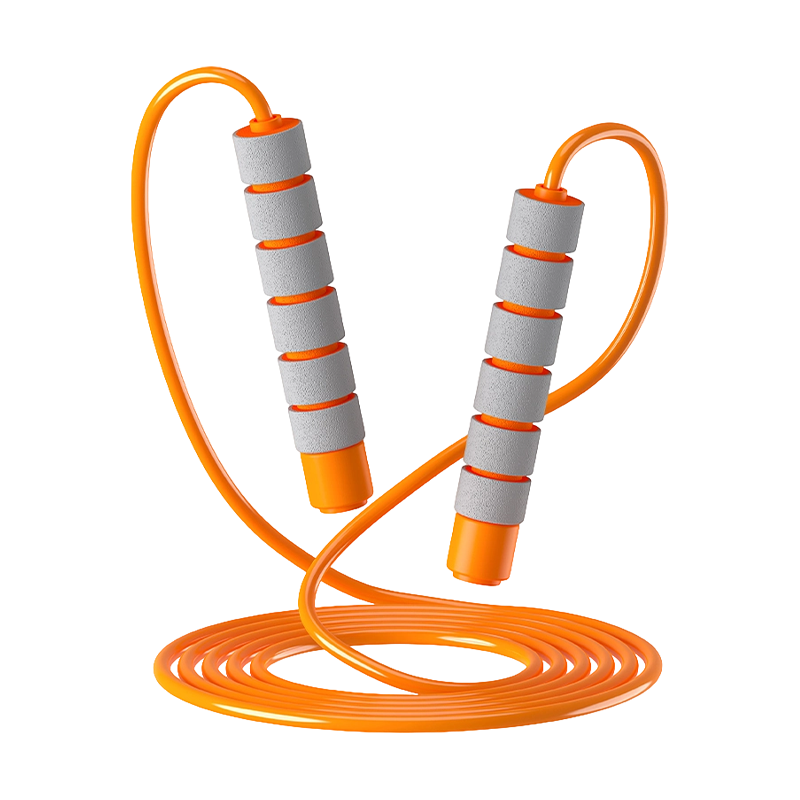
TS-1 PVC Rope Sponge Handle Jump Rope For Children
-
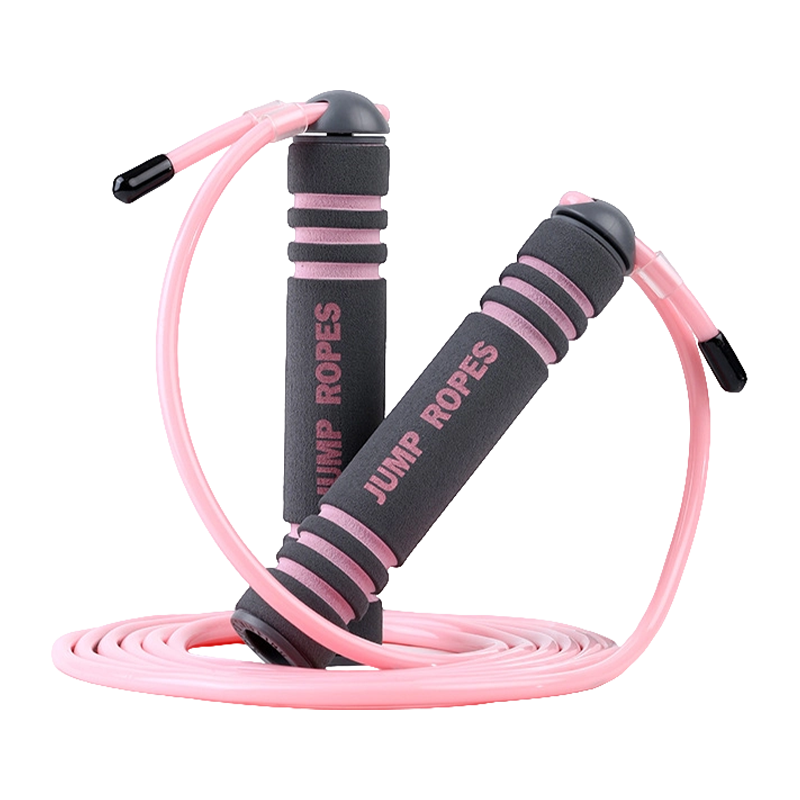
S-17 Sponge Handle Jump Rope For Children
-

TS-2 5 Slots Sponge Handle Jump Rope For Adults
-
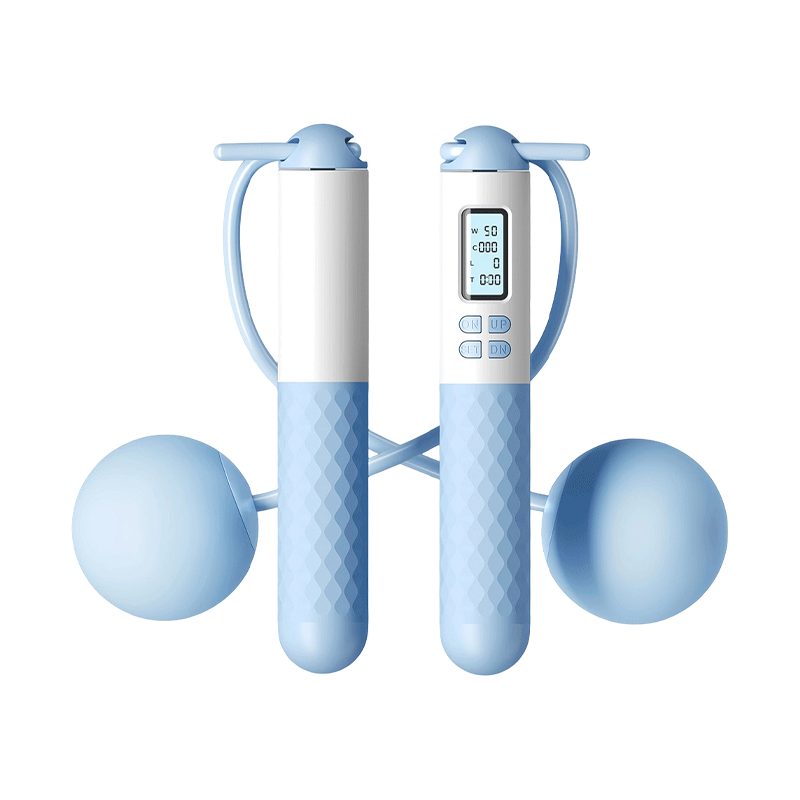
TS-7 ABS Handle Electronic Counting Jump Rope
-
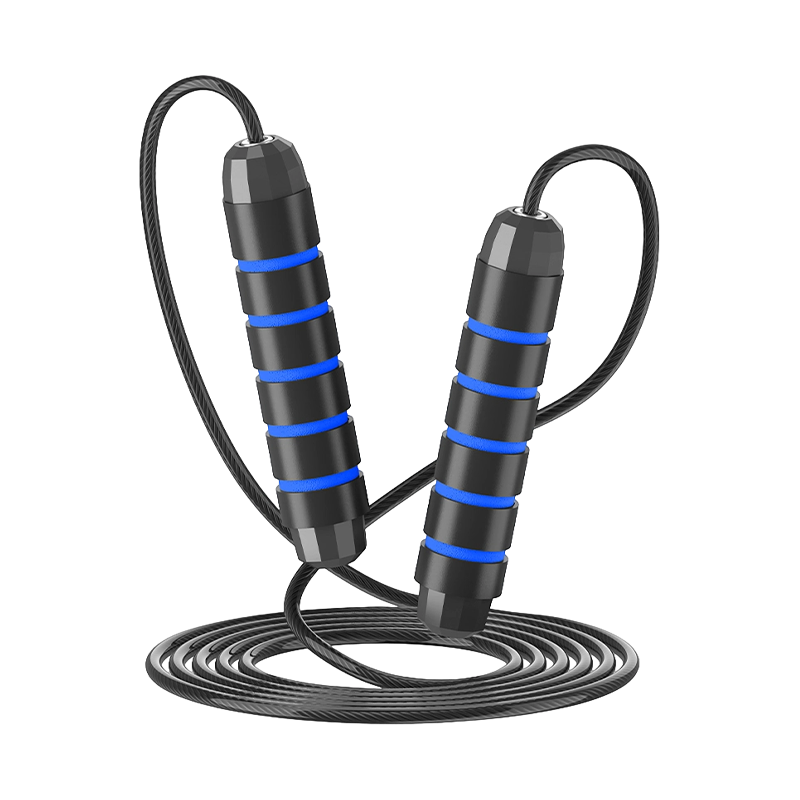
TS-3 Five-Slot Smooth Sponge Handle Jump Rope For Adults
-
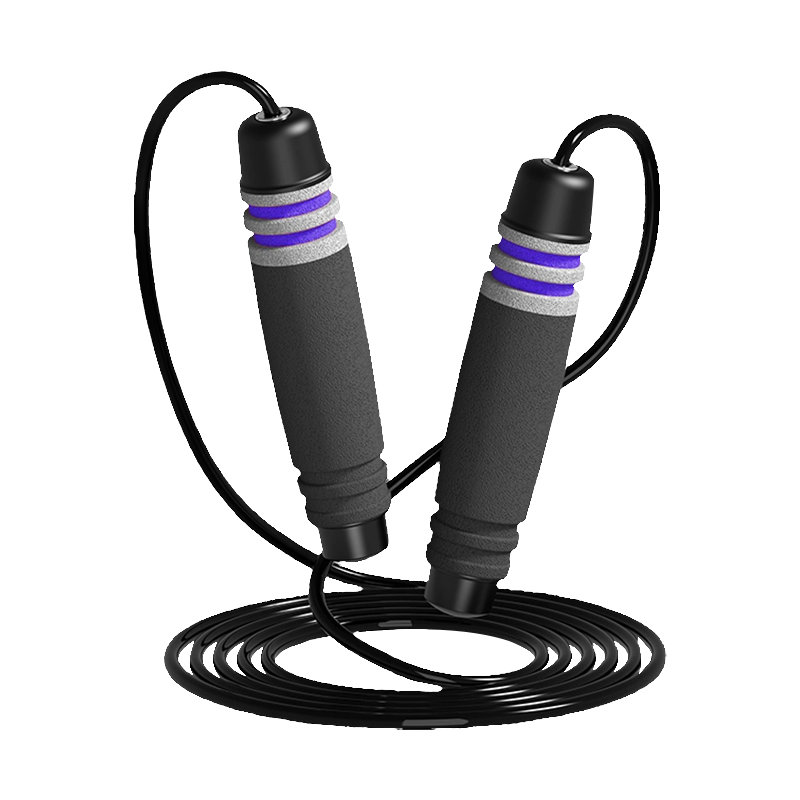
TS-3 Single Head Color/7 Groove Drum Shape Sponge Handle Jump Rope For Adults
News
-
Introduction to Racing Jump Ropes The humble jump rope, once a staple of playground nostalgia and simple cardiovascular warm-ups, has undergone a radical transformation in the mode...
READ MORE -
Discover the Power of Racing Jump Ropes Racing Jump Ropes: Defining the Speed Tool Racing Jump Ropes, often referred to as Speed Ropes, are high-performance fitness tools specifica...
READ MORE -
Introduction Jump rope workouts have long been a staple in fitness routines due to their simplicity and effectiveness. However, with the advent of technology, counting jump ropes h...
READ MORE -
Understanding the Benefits of Rubber Handle Jump Rope for Different Fitness Levels Jump rope is a simple yet highly effective fitness tool that has been gaining popularity in both ...
READ MORE

Contact Us
-

No. 215, Lane 4, Qiaotou Road, Qiaotou Town, Cixi City, Ningbo, Zhejiang Province, China.
-

+86-13867815229
-

Copyright © Cixi Lingdong Electronic Technology Co., Ltd. ALL rights reserved

UP