

 English
 Español
 عربى
عربىThe company adhering to the "customer first and forge ahead" business philosophy, adhere to provide our customers with quality service.
How to Select the Perfect Rubber Handle Jump Rope for Your Fitness Goals
Understanding the Benefits of Rubber Handle Jump Rope for Different Fitness Levels
Jump rope is a simple yet highly effective fitness tool that has been gaining popularity in both casual and professional fitness communities. While the humble jump rope has been a staple in childhood games and basic cardio routines, its versatility and effectiveness make it a go-to exercise for people at all fitness levels. One of the key elements that can significantly enhance the experience of using a jump rope is the rubber handle, a feature that provides numerous advantages for comfort, grip, and durability. When considering the use of a rubber handle jump rope, it’s essential to understand its benefits, especially how it serves individuals across various fitness levels—from beginners to advanced athletes.
The Benefits of Rubber Handle Jump Rope for Beginners
For individuals just starting their fitness journey, the rubber handle jump rope offers a perfect blend of comfort, stability, and ease of use. When a beginner first picks up a jump rope, grip and control can often be the most challenging aspects. Standard plastic handles or metal ropes can become slippery or uncomfortable, especially as the intensity of the workout increases. This is where the rubber handle jump rope excels, providing a non-slip, ergonomic grip that ensures beginners can maintain control even through sweaty sessions.
Comfort and Grip
The soft, rubberized grip of the jump rope helps to prevent the hands from slipping, which is particularly important when you're still learning the rhythm and timing required for effective jump rope workouts. Unlike plastic handles, which can become slick and hard to grip during extended use, rubber handles absorb sweat and offer a more secure hold. This stability is crucial for beginners who may not yet have developed the endurance and coordination required for continuous jumps.
Reduced Fatigue
For beginners, jumping rope can quickly become a taxing exercise, especially when trying to maintain a consistent pace. Rubber handles help reduce hand fatigue, allowing the individual to focus on the movement rather than constantly adjusting their grip. This reduction in fatigue enhances the overall experience, enabling beginners to train longer without discomfort. Furthermore, the ergonomic design of many rubber handles supports the natural position of the hands, decreasing strain on the wrists and forearms.
Improved Confidence
When starting a new fitness routine, confidence can often be a barrier to progress. A beginner might feel intimidated by complex exercises or equipment that seem difficult to use. The rubber handle jump rope provides a simple, user-friendly solution to this problem. With the enhanced grip and comfort, beginners can focus on mastering the basic techniques of jumping rope without being concerned about the rope slipping out of their hands or causing unnecessary frustration. As a result, this confidence boost can lead to more consistent practice, which is essential for building skill and endurance.
How Rubber Handle Jump Rope Supports Intermediate Fitness Levels
For individuals who have moved beyond the beginner phase and are looking to incorporate more advanced techniques into their jump rope routine, the rubber handle jump rope still provides significant benefits. At the intermediate level, an individual has typically built up basic jump rope skills but may be working on improving their speed, endurance, or overall technique. A rubber handle jump rope enhances the intermediate athlete’s performance in several key ways.
Better Control for Speed and Agility Workouts
Intermediate jump ropers often incorporate speed drills and agility workouts into their routines, both of which require a higher level of control and precision. The rubber handles' non-slip feature ensures that the individual can execute fast-paced jump rope maneuvers, such as double-unders, criss-crosses, or high knees, without worrying about losing their grip. The added control provided by rubber handles helps keep the rope moving smoothly, enabling the jumper to maintain consistency in their performance.
Enhanced Durability for Longer Workouts
Intermediate athletes tend to push their endurance further, and longer workouts mean more wear and tear on their equipment. A rubber handle jump rope offers better durability compared to plastic or wooden alternatives, making it a great choice for people who engage in intense and prolonged training sessions. The rubber’s shock-absorbing properties also reduce the impact on the hands and wrists, which can become sensitive during extended use. This benefit allows intermediate jumpers to continue training for longer periods without experiencing discomfort or premature equipment failure.
Versatility in Training
As an intermediate athlete, you may want a jump rope that is versatile enough to handle a range of exercises, including speed training, conditioning, and strength building. Rubber handle jump ropes come in various lengths and rope types, allowing users to customize their training experience. Whether focusing on high-intensity intervals or more rhythmic jumping, a rubber handle jump rope adapts to a variety of fitness goals, making it an ideal choice for individuals who want flexibility in their routines.
Advanced Fitness Goals and Rubber Handle Jump Ropes
For advanced athletes who use jump rope as part of their specialized training regimen, such as in CrossFit, boxing, or competitive jump rope sports, the rubber handle jump rope still holds significant benefits. At this level, athletes require not only durability but also precision and adaptability, as they perform complex jump rope tricks and intense conditioning exercises.
Precision and Performance Enhancement
When executing high-level jump rope maneuvers like double-unders, triple-unders, or complex footwork patterns, precision is crucial. The rubber handle’s ergonomic design allows for greater control and faster rope movement, ensuring that athletes can perform intricate tricks without interruptions. The superior grip also makes it easier for advanced athletes to focus on their form, technique, and rhythm, rather than worrying about their grip slipping.
Shock Absorption for High-Impact Training
Advanced athletes often use jump rope as part of a high-intensity interval training (HIIT) program or in combination with other exercises like sprints or plyometric jumps. The rubber handles provide excellent shock absorption, which reduces the impact on the wrists and hands, areas that are particularly susceptible to injury during high-intensity exercises. This benefit is crucial for maintaining long-term joint health and preventing strain injuries.
Durability for High-Volume Training
For advanced athletes who jump rope regularly, typically for several hours a week, durability becomes a top priority. Rubber handles are particularly durable and resistant to wear and tear, providing a long-lasting solution for individuals who train intensively. Unlike cheaper plastic handles, rubber handles are designed to withstand frequent use and can tolerate the stresses placed on them during fast, repetitive movements.
Customizable Features for Tailored Workouts
In the world of advanced fitness, customization plays a key role in achieving specific goals. Many rubber handle jump ropes come with adjustable lengths, allowing athletes to fine-tune the rope’s size based on their height and workout preferences. This feature is especially beneficial for those who engage in mixed-modal workouts, where different jump rope styles or techniques require different rope lengths and speeds.
How to Choose the Right Length for Your Rubber Handle Jump Rope
Choosing the right length for your jump rope is one of the most important aspects of ensuring that your workout is effective and comfortable. Whether you're a beginner, an intermediate athlete, or an advanced jumper, using a rope that is too short or too long can significantly affect your performance. This is especially true when using a rubber handle jump rope, as the handle length and grip size can impact your ability to control the rope. When selecting the right rope length, it's crucial to take into account factors such as your height, your fitness level, and the types of exercises you plan to do. The goal is to have a rope that allows for optimal swing speed and control while minimizing unnecessary strain on your body.
Why Rope Length Matters: The Impact of Choosing the Right Size
Before diving into how to choose the right rope length, it's important to understand why rope length matters in the first place. The length of your jump rope will influence several key aspects of your workout, including your ability to jump efficiently, maintain proper form, and avoid injury.
Jumping Efficiency and Timing
When your jump rope is the correct length, it helps you achieve a smooth, consistent rhythm. If your rope is too long, it will drag on the floor and slow down the swing, forcing you to jump higher than necessary to clear the rope. If it is too short, the rope will be too tight, forcing you to rush through your jumps and potentially throw off your timing. Both of these issues can disrupt your rhythm and reduce the overall efficiency of your workout. Properly adjusting the length allows for an optimal balance, enabling you to jump with less effort while maintaining control.
Proper Form and Posture
Having the right rope length can help you maintain proper posture and form during your workouts. A rope that is too short may cause you to stoop down or hunch over to make sure you clear the rope, which can lead to back and neck strain. On the other hand, if the rope is too long, you'll have to lift your knees higher to clear the rope, which can strain your legs and hips. A correctly sized rope helps you keep your body aligned, reducing unnecessary strain on your muscles and joints.
Injury Prevention
Jumping rope, especially for extended periods or with intense workouts, can put a significant amount of stress on your knees, ankles, and feet. Using the wrong length rope can exacerbate this stress, either by forcing you to jump too high or too low. An improper rope length can also cause you to trip more often, increasing the risk of injury. Proper rope length can reduce the risk of injury by ensuring you're jumping at the right height and maintaining good form.
Factors to Consider When Choosing the Right Length for Your Rubber Handle Jump Rope
There are several key factors that you need to consider when selecting the right rope length. While your height is an obvious consideration, there are other factors that can influence your decision. Below, we'll break down the most important aspects to help you make an informed choice.
Height and Rope Length Formula
The most commonly used method for determining the ideal rope length is based on your height. While this method offers a good starting point, it's important to remember that individual preference and the type of exercises you plan to do can also play a role. Generally speaking, a jump rope length of around 3 feet longer than your height is a good guideline for most people. For example:
-
If you're 5'0" (152 cm), a 7'0" (213 cm) rope should be a good fit.
-
If you're 5'6" (167 cm), you’ll likely need an 8'0" (244 cm) rope.
-
If you're 6'0" (183 cm), you may want a 9'0" (274 cm) rope.
The key is to find a rope that lets you clear the rope comfortably with minimal effort while allowing you to control the speed and rhythm.
Adjustable vs. Fixed-Length Ropes
Another important consideration is whether you need an adjustable or fixed-length rope. Adjustable ropes are great for individuals who are still figuring out the ideal length for their needs or for those who share their rope with others. They typically feature a mechanism in the handles that allows you to change the length of the rope to suit different users. This versatility can be particularly helpful if you’re still in the process of refining your jumping technique or working through different types of workouts.
On the other hand, fixed-length ropes are ideal for those who have found the perfect length for their body and jumping style. Once you’ve determined your optimal length, a fixed-length rope offers a more streamlined, durable option since it doesn't have adjustable parts that could wear down over time.
Type of Workout
The type of workout you intend to do will also influence the length of rope you need. For example, if you're focusing on speed drills, you’ll likely want a shorter rope to allow for faster rotations. A shorter rope helps maintain high-speed movements and can help with exercises like double-unders or other high-intensity jump rope variations. However, if you're incorporating more cross-training or HIIT routines, you may need a slightly longer rope for increased control during complex movements.
For beginners, a longer rope (compared to your height) may be preferable to allow for easier timing and more clearance. A longer rope offers more space between the rope and the floor, reducing the likelihood of tripping or stumbling while learning the rhythm. As you progress to intermediate or advanced levels, you may adjust the length of the rope to suit your growing speed and skill set.
Jump Rope Style
The style of jumping you prefer will also determine the optimal rope length. For example, in double-unders, where the rope needs to pass under your feet twice in one jump, a slightly shorter rope can allow for faster and more efficient rotations. If you prefer crossovers or side swings, you may want a longer rope to allow for smoother, more fluid movements.
If you’re using your jump rope for competitive jump rope training or for sports like boxing, the rope length may vary depending on the required speed and technicality of the movements. For such high-performance sports, having an appropriately sized rope is crucial for performance optimization.
How to Measure and Adjust the Length of Your Rubber Handle Jump Rope
Knowing how to measure and adjust your rope is essential for getting the perfect length. Here’s a step-by-step guide on how to measure and adjust your rubber handle jump rope:
Step 1: Stand on the Rope
Place the jump rope on the floor and stand in the middle of the rope. Make sure your feet are positioned directly over the center of the rope. This will give you the most accurate measurement.
Step 2: Pull the Handles Up
Pull both handles of the rope up to your armpits. If the rope is at the correct length, the handles should reach slightly past your armpits. The rope should also be taut with only a small amount of slack. If the handles fall short or the rope hangs too loosely, it’s a sign that the length is either too short or too long.
Step 3: Adjust as Needed
For adjustable ropes, this step is straightforward—simply adjust the length until you achieve the desired fit. For fixed-length ropes, you may need to trim the excess rope or replace the rope entirely with one that matches your preferred length.
Common Mistakes When Choosing Rope Length and How to Avoid Them
There are a few common mistakes that individuals make when choosing a jump rope length. These mistakes can make your workouts less effective and more frustrating. Let’s take a look at these common pitfalls:
Choosing a Rope That Is Too Long or Too Short
One of the most common mistakes is choosing a rope that is either too long or too short for your height. A rope that is too long will slow down your swing, while a rope that is too short can cause you to trip more often and make it harder to clear the rope. Always measure carefully and use the recommended guidelines for your height.
Not Adjusting Based on Fitness Level
Beginners often opt for a longer rope, which can be helpful, but some may overestimate the length they need. On the other hand, advanced athletes may prefer a shorter rope for speed and double-unders, but may mistakenly stick to longer ropes for convenience. Adjusting the rope length based on your specific fitness goals can help optimize your training.
Ignoring the Type of Exercise
Different exercises require different rope lengths. If you're doing more advanced jump rope skills like double-unders or criss-crosses, a slightly shorter rope is often more efficient. Conversely, for basic jumps or slower exercises, a longer rope may be better. Always consider your workout style when selecting the length.
Why Rubber Handle Jump Rope is Ideal for High-Intensity Training
Jump rope is widely regarded as one of the most efficient cardiovascular exercises available, especially when it comes to high-intensity training. This dynamic exercise not only provides an excellent full-body workout but also promotes improvements in cardiovascular endurance, coordination, agility, and muscle tone. The rubber handle jump rope stands out as an excellent choice for high-intensity training due to its unique combination of durability, comfort, and grip, which are essential for intense, fast-paced workouts. High-intensity interval training (HIIT), CrossFit, boxing, and other intense exercise regimens require equipment that can withstand rigorous use while providing performance benefits. Rubber handle jump ropes excel in all these areas, making them indispensable tools for anyone looking to maximize their high-intensity training sessions.
Grip and Control for Speed and Agility in High-Intensity Training
High-intensity training often requires rapid, powerful movements, and the ability to control the jump rope is key to achieving maximum speed and efficiency during workouts. The rubber handle jump rope provides a superior grip, allowing athletes to execute quick, explosive movements without worrying about the rope slipping or losing control.
Non-Slip Grip for Consistent Performance
During high-intensity workouts, such as CrossFit or HIIT, sweat and moisture can make it difficult to maintain a secure grip on a jump rope. The rubber handles offer an excellent non-slip feature, even when hands are wet or sweaty. This ensures that the user can continue performing high-speed exercises, such as double-unders or high knees, without being interrupted by the rope slipping from their hands. The grip of the rubber handle also reduces hand fatigue, which is critical when training at high intensities, as it enables athletes to focus on their form and technique rather than constantly readjusting their grip.
Ergonomics for Quick Movements
The design of rubber handles is specifically optimized for the demands of high-intensity training. Their ergonomic shape fits comfortably in the hands, which not only enhances the user's ability to maintain a solid grip but also reduces strain on the wrists and forearms. Whether performing rapid sprints, crossovers, or even more complex jump rope tricks, the user is able to react quickly and fluidly to each movement without feeling discomfort or losing control.
This ergonomic design ensures that the hands remain in a natural position, reducing stress on the tendons and ligaments in the wrists and hands. This becomes especially important during high-intensity intervals, where rapid and repeated wrist movement is required. The reduced strain on the wrist joint helps prevent injuries that could otherwise hinder performance in a demanding training session.
Durability for Long-Lasting Use in Intense Workouts
When training at high intensity, the equipment used must be able to endure the constant, repetitive motions of the workout. Jump rope workouts involve high-impact movements, and equipment must be able to withstand the wear and tear of frequent use. The rubber handle jump rope offers durability that is vital for high-intensity training programs.
Resilience of Rubber Handles
Rubber handles are significantly more durable than their plastic or foam counterparts. The material is designed to withstand the repetitive motion of high-speed jumps and the force generated during intense sessions. Unlike plastic handles that can crack or become brittle with use, rubber handles are more resistant to damage and can endure long training sessions without losing their integrity. This durability makes rubber handle jump ropes a great choice for athletes who train intensively and frequently.
Resistance to Environmental Factors
In addition to being durable, rubber handles are resistant to the wear caused by environmental factors, such as moisture, heat, and sweat. High-intensity training often leads to excessive sweating, and with a jump rope, this can lead to slipping or discomfort if the handles are not properly designed. Rubber handles, on the other hand, are not only comfortable but also resistant to moisture, ensuring that they maintain their functionality over time. The ability to perform under different environmental conditions (indoor and outdoor use) further enhances the versatility of rubber handle jump ropes in high-intensity training environments.
Comfort and Reduced Fatigue During High-Intensity Intervals
In high-intensity training, whether you're focusing on interval sprints, plyometric exercises, or endurance-based jump rope routines, comfort plays a crucial role in performance. A jump rope with uncomfortable handles can quickly cause fatigue in the hands, wrists, and forearms, limiting the effectiveness of the workout. Rubber handle jump ropes, however, offer enhanced comfort due to their soft, yet firm grip.
Cushioned Grip for Comfort
Rubber handles offer a cushioned, shock-absorbing grip that reduces the vibrations felt in the hands during each jump. This is particularly beneficial during high-intensity sessions when the frequency of jumps increases. The cushioned grip helps absorb some of the shock that would otherwise be transferred to the user’s hands and wrists, reducing discomfort and the potential for soreness. By reducing the strain on these smaller muscle groups, the rubber handle jump rope allows athletes to focus on the overall intensity of the workout rather than on their grip.
Ergonomic Shape for Better Control
The ergonomic shape of rubber handles ensures that the handles fit comfortably in the hands, preventing them from becoming too bulky or awkward during intense workouts. This design feature also minimizes the chances of cramping in the hands, which can become a concern during prolonged jump rope sessions. The better control provided by the ergonomic design helps athletes maintain precision with each jump and avoid mistakes that could break the rhythm during intense interval training.
Increased Speed for Double-Unders and Advanced Techniques
A major focus of high-intensity training with jump ropes is increasing speed and mastering more advanced techniques like double-unders, triple-unders, or criss-crosses. For these advanced techniques, the rope needs to be both lightweight and easy to control. Rubber handle jump ropes are ideal for such high-speed activities because they provide the perfect balance between control and speed.
Lightweight Design for Speed
Rubber handle jump ropes are typically lighter than other types of ropes, making them easier to rotate quickly. The lighter weight reduces the amount of energy required to spin the rope, allowing athletes to focus on maintaining speed and rhythm. For double-unders or even faster tricks like triple-unders, where the rope has to pass under the feet multiple times in a single jump, a lighter rope ensures that the rotations are faster and smoother.
The weight of the rope plays a crucial role in speed and agility during high-intensity training. Heavier ropes can slow down the pace, making advanced techniques like double-unders more difficult to achieve. By opting for a rubber handle jump rope with a lightweight rope and ergonomic handles, athletes can increase their training speed without sacrificing control.
Precision for Complex Movements
In high-intensity training, complex movements often require precise timing and coordination. Rubber handle jump ropes allow athletes to achieve the precision necessary for mastering advanced techniques. The smooth rotation and control offered by the rubber handles enable the user to focus on the quality of each jump, rather than worrying about the rope’s behavior. This precision is essential for executing high-level jump rope skills like crossovers and side swings, which require quick, controlled movements.
Adaptability for a Variety of High-Intensity Exercises
One of the key benefits of the rubber handle jump rope is its adaptability. Whether you're training for boxing, CrossFit, or general fitness, this versatile tool can meet the demands of different high-intensity exercises. The lightweight, durable, and comfortable design makes the rubber handle jump rope an excellent choice for a range of high-intensity activities.
Boxing and Combat Sports
In boxing and other combat sports, conditioning is crucial. Jump rope training is widely used to improve footwork, agility, and endurance. The rubber handle jump rope provides the quick rotations and superior grip required for maintaining rapid footwork and effective interval training. In boxing, where athletes need to maintain a constant flow of movements, a rubber handle jump rope helps improve coordination and cardiovascular fitness without worrying about slippage or discomfort.
CrossFit and Functional Training
CrossFit and other forms of functional training often involve dynamic movements and compound exercises. The rubber handle jump rope is highly adaptable, allowing athletes to incorporate it into their training routines as part of circuit workouts or as a tool for improving cardiovascular endurance. In CrossFit, jump ropes are used for high-intensity intervals, and the rubber handle jump rope allows for smooth transitions between rope swings and other exercises.
By ensuring that the rope remains durable and the grip secure, athletes can push themselves to the maximum intensity during their workouts, knowing that their equipment can handle the stress of multiple exercises and rapid movements. The ability to switch between exercises without needing to adjust or replace equipment is a significant advantage in CrossFit and other high-intensity training methods.
Key Features to Look for in a Rubber Handle Jump Rope for Comfort and Durability
Jump rope is a versatile and highly effective exercise tool used in various fitness routines, from high-intensity interval training (HIIT) to boxing and general cardiovascular conditioning. One of the most popular types of jump ropes is the rubber handle jump rope. This style of jump rope is favored for its combination of comfort, control, and durability—qualities that are essential for effective training. However, not all rubber handle jump ropes are created equal, and it’s important to know the key features that contribute to both comfort and durability when selecting the right one for your needs.
When choosing a rubber handle jump rope, several factors come into play, including the design of the handle, the material of the rope, the weight, adjustability, and the overall build quality. These features directly impact your workout experience, influencing how comfortable you feel while jumping and how long the rope will last under regular use. In this detailed guide, we’ll explore the key features you should look for to ensure that you invest in a high-quality, long-lasting, and comfortable rubber handle jump rope.
Handle Design and Ergonomics
The handle design is one of the most crucial factors in determining both comfort and durability in a rubber handle jump rope. The design of the handle affects how the rope feels in your hands, how easy it is to grip, and how well you can maintain control during your workout. A poorly designed handle can lead to discomfort, hand fatigue, or even injury, particularly in high-intensity training.
Ergonomic Shape for Comfort and Reduced Strain
Ergonomically designed handles are shaped to fit the natural contours of your hands, which helps reduce the strain on your wrists, fingers, and forearms. The ideal ergonomic design will feature a handle that feels comfortable even during extended use, especially during high-intensity intervals. Proper ergonomics ensure that the jump rope handle fits snugly in your hand without causing discomfort or cramping, which is crucial when you're performing rapid or repetitive movements.
Handles with contours that fit the palm can prevent excessive pressure points that might otherwise cause pain during a workout. For people who use jump ropes for long sessions, such as boxers or CrossFit athletes, ergonomic handles are particularly beneficial in avoiding fatigue and maintaining focus on technique rather than discomfort.
Grip Texture and Material for Better Control
The grip texture plays an essential role in ensuring that the handle remains secure in your hand, especially during sweaty workouts. The ideal rubber handle should have a textured surface to improve grip, preventing slippage. Common textures include ridged, dimpled, or patterned surfaces that provide traction. These features are particularly important when performing high-speed workouts or double-unders, where maintaining control over the rope is critical.
Rubber provides a natural, non-slip grip that retains its performance even when your hands sweat. Unlike smooth plastic handles, rubber handles help you maintain a firm hold on the rope, even during intense training. The material also provides a more cushioned, comfortable feel than alternatives like wood or metal, reducing hand fatigue.
Handle Length for Better Grip and Comfort
The length of the handle is another factor that contributes to comfort and control. Handles that are too short can make it difficult to grip properly, leading to discomfort or an inefficient swing. On the other hand, excessively long handles can feel unwieldy, making it harder to control the rope effectively. The ideal length allows for a natural hand position that provides optimal control over the rope.
When choosing the right handle length, it’s important to consider your hand size and jumping style. Generally, a good rule of thumb is that the handle should allow your hands to rest comfortably in a neutral position, with enough room to rotate the rope freely without straining your wrists.
Durable Materials for Longevity
Durability is another key feature to consider when purchasing a rubber handle jump rope. Whether you are using it for basic cardio or high-intensity training, your jump rope needs to withstand repetitive use without deteriorating. The durability of the jump rope is primarily determined by the materials used in the handles and the rope itself.
High-Quality Rubber for Longevity
Rubber is a popular material for jump rope handles due to its durability and comfort. High-quality rubber ensures that the handles will not crack, fade, or degrade over time, even with frequent use. Unlike cheaper materials, such as plastic or foam, rubber can withstand repeated impacts and will not break down under the stress of rapid hand rotations or high-impact movements.
Additionally, rubber handles provide a certain degree of shock absorption, which can enhance comfort during high-intensity workouts, where your hands may experience repeated jolts. Rubber’s inherent flexibility also means that it can adapt to different environmental conditions, such as moisture or temperature fluctuations, without losing its integrity.
Reinforced Rope for Durability
The durability of the rope itself is just as important as the handle material. The rope needs to be strong enough to withstand constant use while maintaining its shape and resistance to wear. High-quality rubber or PVC ropes are typically more durable than plastic or cloth alternatives, providing long-lasting performance.
For those who engage in high-intensity training, such as speed training, double-unders, or CrossFit, it's essential to choose a rope with good resistance to friction and wear. Ropes made from durable materials, such as PVC with a coated exterior or braided steel cables, are excellent for withstanding the repetitive stress of fast-paced movements. These materials not only last longer but also retain their shape, ensuring smooth rotations and preventing tangling or kinks that can interrupt your workout.
Adjustability and Customization for Optimal Fit
Another important feature to consider when purchasing a rubber handle jump rope is adjustability. Whether you are new to jump rope or an experienced athlete, having the option to adjust the length of the rope to suit your specific needs can enhance both comfort and performance. An adjustable rope allows you to find the perfect length based on your height, jumping style, and the type of workout you’re performing.
Adjustable Length for Versatility
An adjustable jump rope is highly versatile, accommodating different users and varying workout styles. Many rubber handle jump ropes come with a simple mechanism that allows you to increase or decrease the length of the rope, ensuring that it is properly sized for your height and technique.
For beginners, a longer rope might be preferable as it gives more clearance for jumping and makes it easier to learn proper timing and form. As you advance in your jump rope skills, you might find that a shorter rope helps with speed and more complex moves like double-unders. Having the ability to adjust the length of your rope ensures that you can tailor the rope to your changing needs.
Easily Adjustable Mechanism
The mechanism for adjusting the rope length should be quick and easy to use, without requiring specialized tools or complicated procedures. The most common systems involve a screw or clamp that holds the rope in place, allowing users to quickly change the length as needed. Some models use an internal mechanism that allows for fine-tuned adjustments to ensure that the rope is the perfect length for the user’s body.
Adjustable ropes are especially beneficial in group settings, where different users may require different rope lengths. Having an adjustable system can make it easier for multiple people to use the same jump rope without needing to purchase multiple ropes in different sizes.
Weight and Balance for Smooth Rotations
The weight and balance of a jump rope are essential features for ensuring a smooth, efficient workout. The rope’s weight should strike a balance between being light enough for quick rotations yet heavy enough to provide a controlled and steady swing. When combined with ergonomic, rubber handles, the right balance in a jump rope allows for an enjoyable and productive training experience.
Weight of the Rope
The weight of the rope affects how fast or slow it rotates. Lighter ropes are ideal for speed training, such as double-unders or rapid intervals, as they require less effort to rotate. Heavier ropes, on the other hand, can provide more resistance, making them ideal for endurance training or strength-building exercises. For most users, a moderate-weight rope works well across a variety of exercises, offering a good balance of speed and resistance.
The weight of the rope also affects the ease with which you can maintain rhythm and control. A balanced rope that rotates smoothly, without too much drag or resistance, helps maintain consistent performance, even during high-intensity sessions.
Balance for Consistent Performance
A well-balanced jump rope allows for smoother rotations, making it easier to maintain speed and consistency throughout your workout. The balance between the handle and the rope ensures that the rope moves efficiently through the air, which is especially important when performing complex movements like double-unders or criss-crosses. A jump rope that is properly balanced allows for quick, effortless rotations, making it easier to perform high-intensity training without feeling fatigued or struggling with rope movement.
Shock Absorption for Comfortable Jumps
In high-impact training, such as HIIT or interval training, shock absorption is crucial for reducing the impact on your joints, especially your wrists, elbows, and shoulders. The design of the rubber handle jump rope often incorporates shock-absorbing materials that help cushion the forces generated during each jump.
Cushioned Grip and Vibration Reduction
Rubber handles not only provide a comfortable grip but also help reduce the vibrations that occur during each jump. The shock-absorbing properties of rubber handles allow for a more comfortable experience, preventing the shock from traveling up your arms. This is especially important for those who engage in high-impact workouts or jump rope for extended periods. The reduced vibration helps minimize stress on your joints and reduces the risk of overuse injuries, particularly in the wrists and forearms.
Comparing Materials: Rubber Handle Jump Rope vs. Plastic Handle Options
Jump ropes are a fundamental tool in many fitness regimens, from high-intensity interval training (HIIT) to cardiovascular conditioning and boxing. When it comes to choosing the right jump rope, one of the key decisions involves selecting the material of the handles. While plastic handle jump ropes are widely available and commonly used, rubber handle jump ropes are gaining popularity for their superior performance and comfort. The choice between rubber and plastic handles is crucial, as the material influences not only the comfort, durability, and performance of the jump rope but also the overall workout experience.
In this comparison, we will explore the differences between rubber handle jump ropes and plastic handle jump ropes in-depth. We will examine factors such as comfort, durability, grip, weight, performance, and long-term usability to help you make an informed decision about which material is the best fit for your specific training needs.
Grip and Comfort: Rubber Handles vs. Plastic Handles
When it comes to selecting a jump rope, comfort and grip are two of the most important considerations. Whether you're performing basic jumps or tackling advanced techniques such as double-unders or criss-crosses, your hands will be in constant contact with the rope handles. The material of the handle plays a significant role in ensuring that you can maintain control and comfort throughout your workout.
Rubber Handles: Superior Comfort and Non-Slip Grip
Rubber handles are renowned for their ability to provide a comfortable and secure grip, especially during long workouts or high-intensity sessions. The natural texture of rubber allows for a more ergonomic and firm grip, ensuring that your hands won’t slip even when you’re sweating. The non-slip properties of rubber handles are crucial for maintaining control of the rope, especially during rapid, repetitive movements.
In addition to their non-slip grip, rubber handles offer a cushioning effect. The material’s natural elasticity helps absorb the impact and vibration generated during each jump, providing a more comfortable experience. This is particularly important for high-intensity training, where the frequency and speed of jumps can put significant strain on your hands and wrists. Rubber handles can reduce hand fatigue and increase your ability to maintain proper form throughout a workout.
The ergonomic design of rubber handles also contributes to long-term comfort. They are typically molded to fit the natural curve of your hands, reducing pressure on your fingers, palms, and wrists. For individuals who are engaging in long jump rope sessions or high-intensity interval training, the added comfort provided by rubber handles can make a substantial difference in preventing discomfort and injury.
Plastic Handles: Less Comfortable, but Sufficient for Shorter Workouts
Plastic handles, on the other hand, are commonly found in more affordable jump ropes. While they are functional, plastic handles generally provide less comfort than their rubber counterparts. One of the drawbacks of plastic handles is that they tend to be smooth and hard, offering less grip than rubber. This can be particularly problematic during sweaty workouts, where hands are more likely to slip off the handles.
Plastic handles are also less ergonomic in design compared to rubber handles. Most plastic-handled ropes have a generic cylindrical shape that doesn’t take into account the natural form of the hand. This can lead to discomfort and hand fatigue, especially during extended workouts. For those who only engage in occasional jump rope sessions or light cardio, plastic handles may be sufficient. However, for athletes who perform more intense or prolonged workouts, plastic handles might cause discomfort, blisters, or cramps in the hands and wrists.
Durability and Longevity: Rubber vs. Plastic
When it comes to investing in any piece of fitness equipment, durability is a key consideration. A jump rope should be able to withstand frequent use, especially in high-intensity training where ropes are subjected to repetitive friction, force, and wear. The materials used in the handles are integral to the rope’s overall longevity.
Rubber Handles: Built to Last with Enhanced Resistance
Rubber handles are known for their exceptional durability, making them a better choice for those looking for a long-lasting jump rope. Rubber is a tough material that resists cracking, breaking, and fading, even under consistent use. Unlike plastic, rubber is less likely to become brittle over time, particularly when exposed to sweat, moisture, or temperature fluctuations.
Additionally, rubber handles tend to be more resistant to impact damage. Whether you're dropping the rope during a workout or subjecting it to high-intensity movements, rubber handles can withstand the wear and tear that occurs with prolonged use. For those who regularly train with jump ropes in challenging conditions, such as outdoor environments or humid indoor gyms, rubber handles are likely to perform better and last longer.
Rubber handles are also resistant to UV rays, which means they won’t degrade as quickly if exposed to sunlight for extended periods. This makes them a great option for outdoor workouts. Over time, plastic handles, especially those made from low-quality materials, may become discolored, cracked, or weakened by UV exposure.
Plastic Handles: Prone to Cracking and Wear
While plastic handles are cost-effective and functional, they tend to be less durable than rubber. Plastic can crack, fade, or break when exposed to rough handling, excessive moisture, or environmental stress. High-impact training, such as double-unders or intense intervals, can cause the plastic material to weaken over time. In addition, plastic handles are more likely to show signs of wear and tear, such as scratches, chips, and discoloration, which can compromise their aesthetic and structural integrity.
For those who use jump ropes primarily for light workouts or occasional use, plastic handles might hold up reasonably well. However, for athletes who engage in daily or high-intensity training, plastic handles may not offer the longevity or performance needed for consistent use. The less resilient nature of plastic can also lead to issues such as handle breakage, reducing the overall usability and safety of the rope.
Weight and Balance: Rubber Handles vs. Plastic Handles
The weight and balance of a jump rope affect its overall performance, particularly during high-speed rotations. When choosing a jump rope, it’s important to consider how the weight of the handles contributes to the overall balance of the rope. The right weight and balance ensure that the rope swings smoothly and efficiently, providing a better workout experience.
Rubber Handles: Balanced and Comfortable for Speed
Rubber handles offer better weight distribution than plastic handles, contributing to a more balanced and controlled jump rope experience. The weight of rubber handles is usually sufficient to provide a natural feel while not being too heavy to interfere with your jumping technique. Because rubber is a denser material, it allows for a more consistent and controlled rotation, which is important for high-speed exercises such as double-unders or criss-crosses.
Rubber handles tend to provide a smoother feel during high-intensity sessions, where fast, repetitive motions are essential. The balanced weight of the rubber handles complements the rope’s overall design, ensuring that you can maintain rhythm and timing without being distracted by an unbalanced or uneven swing.
Plastic Handles: Lighter but Less Balanced
Plastic handles, while lighter than rubber, often result in a less balanced jump rope. The lower weight of plastic handles can lead to a “top-heavy” feel when swinging the rope, especially if the rope itself is heavier. This imbalance can disrupt your rhythm, making it harder to maintain consistent speed during fast rotations. As a result, users might find it more challenging to control the rope, particularly when executing complex techniques.
The lightweight nature of plastic handles might be preferable for those who prioritize speed and perform low-intensity workouts, but for individuals engaging in high-speed or high-resistance training, the weight imbalance can negatively impact performance. Additionally, plastic handles may feel less sturdy in your hands, reducing the control you have over the rope.
Cost-Effectiveness: Rubber vs. Plastic
Another critical factor in choosing between rubber and plastic handle jump ropes is cost. While the price can vary based on the brand, features, and rope material, there is generally a noticeable difference in the cost of rubber vs. plastic handles.
Rubber Handles: Higher Initial Cost but Better Value in the Long Term
Rubber handle jump ropes have a higher initial cost than plastic handle ropes. This is due to the superior material and construction, which offer better comfort, durability, and overall performance. While you may spend a bit more upfront on a rubber handle jump rope, it can be a better investment in the long run. Rubber handles are more resistant to wear, cracking, and moisture damage, meaning they are likely to last longer with less maintenance.
For individuals who train regularly or at a high intensity, the durability and comfort of rubber handles will pay off over time. The reduced need for replacements and the enhanced performance during workouts make rubber handle jump ropes a more cost-effective choice in the long term.
Plastic Handles: Lower Initial Cost but Shorter Lifespan
Plastic handle jump ropes are much cheaper than their rubber counterparts, making them an attractive option for those on a budget or for individuals who only use a jump rope occasionally. However, the lower cost comes at the expense of durability and comfort. Plastic handles are more likely to wear out and need replacing sooner than rubber handles, particularly if they are used frequently or in high-intensity training.
For casual users or those just starting out with jump rope workouts, plastic handle jump ropes can be an affordable option. However, for those committed to long-term, high-performance training, plastic handles may not provide the same value or longevity as rubber handles.
Related Product
-
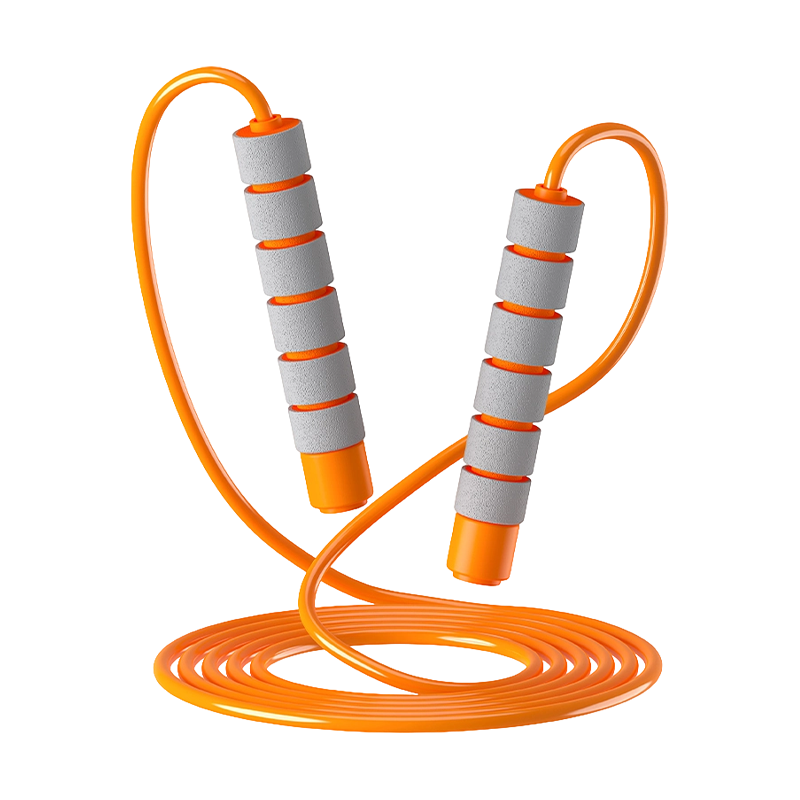
TS-1 PVC Rope Sponge Handle Jump Rope For Children
-
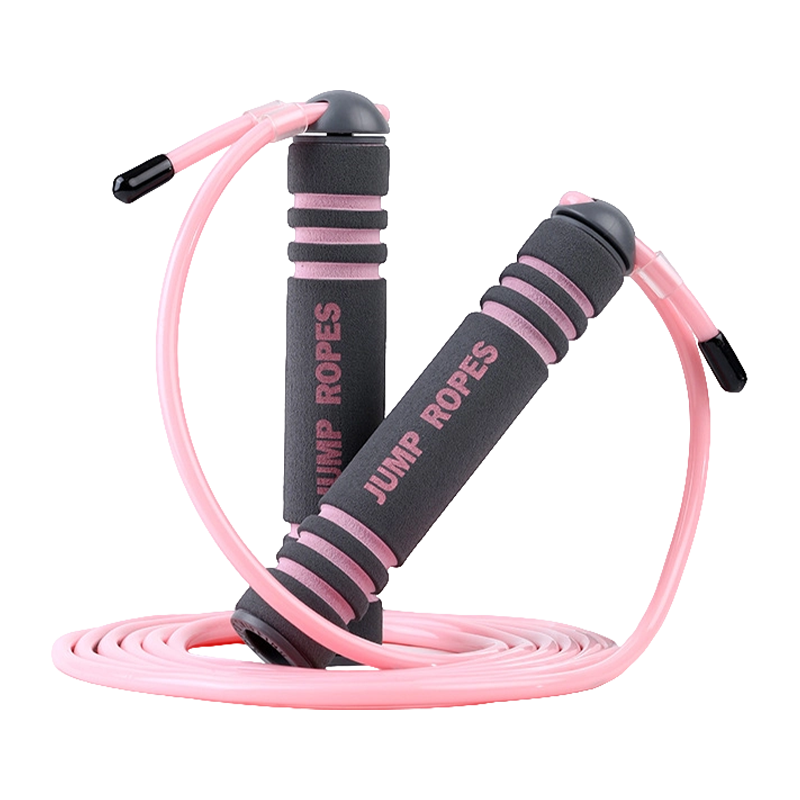
S-17 Sponge Handle Jump Rope For Children
-

TS-2 5 Slots Sponge Handle Jump Rope For Adults
-
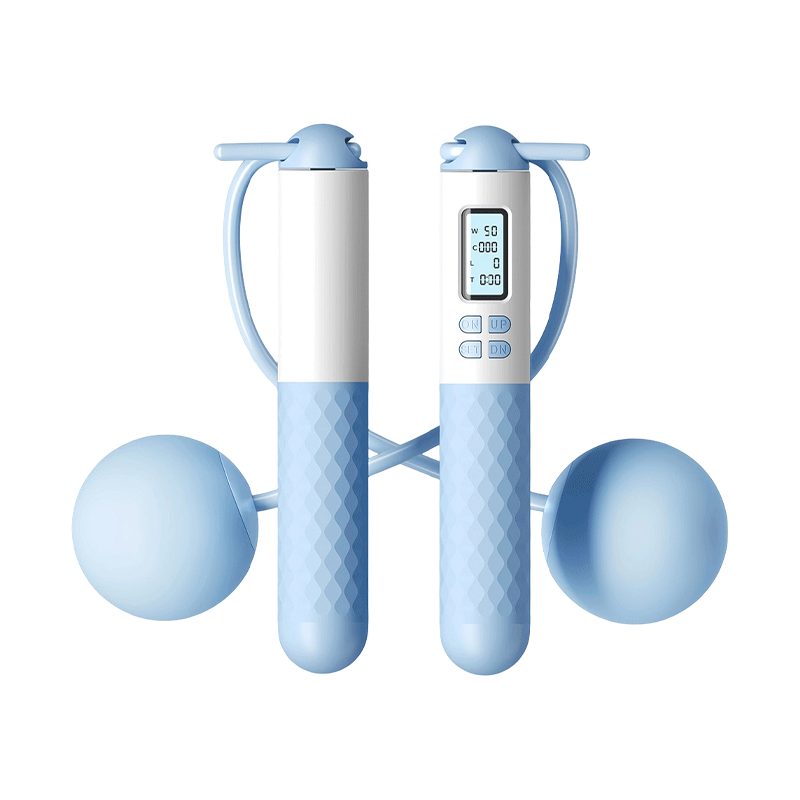
TS-7 ABS Handle Electronic Counting Jump Rope
-
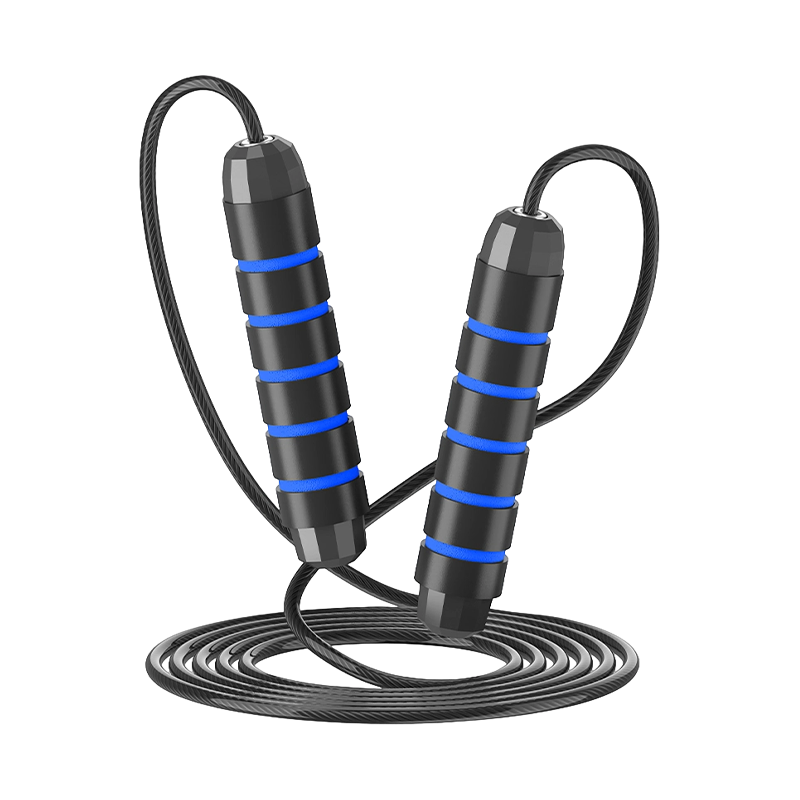
TS-3 Five-Slot Smooth Sponge Handle Jump Rope For Adults
-
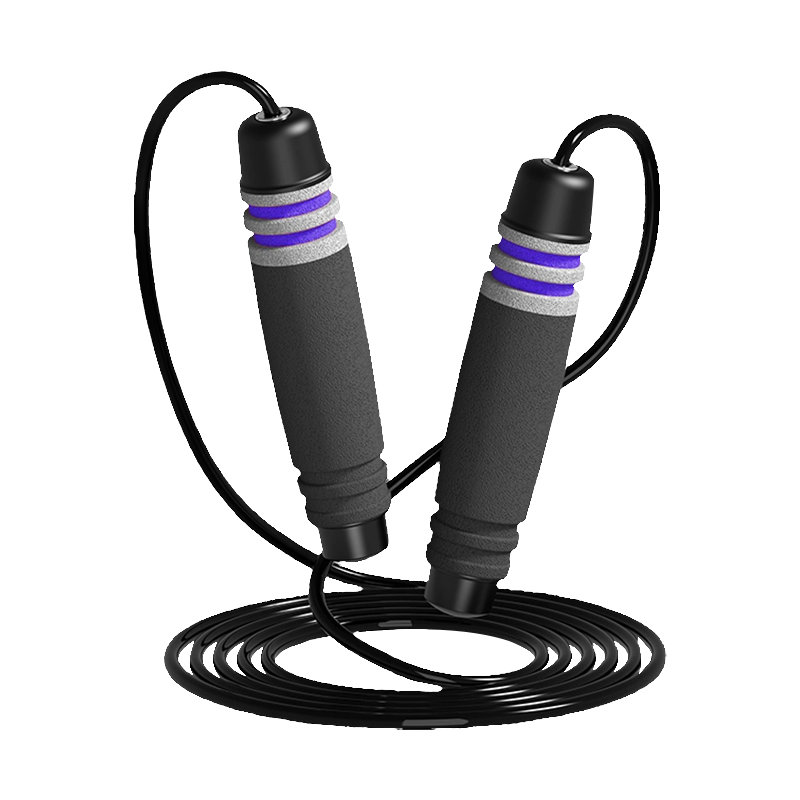
TS-3 Single Head Color/7 Groove Drum Shape Sponge Handle Jump Rope For Adults
News
-
Introduction to Racing Jump Ropes The humble jump rope, once a staple of playground nostalgia and simple cardiovascular warm-ups, has undergone a radical transformation in the mode...
READ MORE -
Discover the Power of Racing Jump Ropes Racing Jump Ropes: Defining the Speed Tool Racing Jump Ropes, often referred to as Speed Ropes, are high-performance fitness tools specifica...
READ MORE -
Introduction Jump rope workouts have long been a staple in fitness routines due to their simplicity and effectiveness. However, with the advent of technology, counting jump ropes h...
READ MORE -
Understanding the Benefits of Rubber Handle Jump Rope for Different Fitness Levels Jump rope is a simple yet highly effective fitness tool that has been gaining popularity in both ...
READ MORE

Contact Us
-

No. 215, Lane 4, Qiaotou Road, Qiaotou Town, Cixi City, Ningbo, Zhejiang Province, China.
-

+86-13867815229
-

Copyright © Cixi Lingdong Electronic Technology Co., Ltd. ALL rights reserved

UP