

 English
 Español
 عربى
عربىThe company adhering to the "customer first and forge ahead" business philosophy, adhere to provide our customers with quality service.
The Comprehensive Guide to Racing Jump Ropes: Unlocking Your Speed Potential
Introduction to Racing Jump Ropes
The humble jump rope, once a staple of playground nostalgia and simple cardiovascular warm-ups, has undergone a radical transformation in the modern era of fitness. No longer just a length of nylon or hemp dragged slowly over the pavement, the tool has evolved into a precision-engineered instrument known as the racing jump rope. This evolution has been driven by the demands of competitive rope skipping, CrossFit, and high-intensity interval training, where every millisecond counts and efficiency is paramount.
A racing jump rope, often interchangeably referred to as a speed jump rope or simply a speed rope, is designed for one primary purpose: velocity. Unlike weighted ropes intended to build shoulder bulk or beaded ropes designed for rhythmic presentation, the racing rope is built to cut through the air with minimal aerodynamic resistance. It typically consists of a thin, vinyl-coated steel cable connected to handles via a ball-bearing mechanism that allows for frictionless rotation. This design shift changes the physics of the movement entirely. Instead of using the entire arm to turn the rope, the athlete uses a subtle flick of the wrist. The result is a rope speed that can exceed 300 revolutions per minute in the hands of a professional, blurring the line between human movement and mechanical efficiency.
The rise of the racing jump rope parallels the growth of functional fitness. As athletes sought to maximize work capacity in shorter time domains, the "double under"—a movement where the rope passes under the feet twice in a single jump—became a benchmark of proficiency. To master this, having a dedicated double unders rope became a necessity rather than a luxury. The specific engineering of these ropes reduces fatigue in the deltoids and forearms, allowing the user to maintain high-intensity output for longer durations. Whether you are a competitive skipper aiming for a sprint record or a fitness enthusiast trying to string together your first fifty consecutive jumps, understanding the mechanics of a racing rope is the first step toward mastery.
The Purpose and Mechanics of Speed
The fundamental purpose of a racing jump rope is to eliminate drag and mechanical inefficiency. In traditional ropes, the friction between the rope and the handle attachment point acts as a brake, slowing down the revolution and forcing the jumper to exert more energy to keep the rope moving. In a high-quality speed rope, this friction is virtually eliminated through the use of high-grade ball bearings or omnidirectional swivel systems.
This efficiency serves two distinct groups of users. For the competitive speed jumper, the rope is a piece of sporting equipment akin to a sprinter’s spikes. It must be lightweight, perfectly balanced, and responsive. For the general fitness enthusiast, the racing jump rope serves as a tool for increasing intensity. Because the rope turns faster, the jumper is forced to jump faster, react quicker, and maintain a higher cadence. This transforms a steady-state aerobic exercise into a rigorous anaerobic drill. The speed rope demands a level of focus and synchronization that slower ropes do not; if your timing drifts by a fraction of a second, the cable will whip your shins, providing immediate (and stinging) feedback. This high-stakes feedback loop accelerates the learning curve for coordination and timing.
Furthermore, the design allows for advanced maneuvers. While the basic bounce is the foundation, the racing jump rope is the preferred tool for crossovers, side swings, and the elusive triple under. The thin profile of the cable means it is less affected by wind resistance, maintaining a consistent arc shape even at high velocities. This consistency is crucial when an athlete is fatigued; a rope that maintains its shape requires less cognitive load to track, allowing the athlete to focus purely on the rhythm of their breathing and the plyometric rebound of their legs.
Benefits for Speed, Agility, and Fitness
The integration of a racing jump rope into a training regimen offers a trifecta of benefits: speed, agility, and metabolic conditioning.
Speed and Explosiveness: Speed is not just about how fast you can run; it is about how quickly your nervous system can fire commands to your muscles. Using a speed jump rope trains the neuromuscular system to fire rapidly. The quick turnover of the rope forces the calves, hamstrings, and quadriceps to contract and relax in rapid succession. This plyometric training improves the elasticity of the tendons, specifically the Achilles tendon, making the athlete more "bouncy" and explosive. This translates directly to other sports—sprinters find their ground contact time decreases, and basketball players find their vertical leap responsiveness improves.
Agility Training: Agility training is often associated with ladder drills or cone work, but the racing jump rope is arguably one of the most effective tools for footwork. Because the rope is moving so fast, the feet must be exceptionally light and precise. Heavy-footed jumping is impossible with a speed rope; you must stay on the balls of your feet. This constant micro-adjustment of balance and foot positioning enhances proprioception—the body's awareness of itself in space. Boxers have known this for decades, using the speed rope to develop the "dancing" footwork required to evade punches and move around the ring fluidly. The mental processing speed required to synchronize the hands and feet at 200+ RPMs sharpens reaction times, a critical component of overall agility.
Fitness and Caloric Expenditure: As a fitness jump rope, the racing variant is unrivaled in caloric burn per minute. A vigorous session with a speed rope can burn more calories than swimming or running at a moderate pace. This is because it is a total-body movement. While the legs generate the jump, the core must remain braced to stabilize the spine, and the shoulders, forearms, and wrists are constantly engaged to turn the cable. The intensity can be easily scaled; by simply increasing the rotation speed, the user can shift from an aerobic fat-burning zone to a glycolytic, muscle-building zone. For those looking to lean out or improve cardiovascular endurance (VO2 max), the racing jump rope offers one of the highest returns on investment for time spent training.
The Handle Connection: A Preview of Materials
While the cable does the cutting through the air, the handle is the user's interface with the machine. The choice of handle material dramatically changes the tactile experience and performance characteristics of the rope. When selecting a racing jump rope, one of the first dichotomies a user encounters is the choice between an aluminum handle jump rope and a plastic handle jump rope.
The handle serves as the anchor. It must be substantial enough to provide a secure grip when sweat begins to pour, yet light enough not to fatigue the forearms prematurely.
Aluminum handles are often associated with durability and a premium feel. They are rigid, transferring the vibration of the spinning cable directly to the hand, which provides excellent feedback. An athlete using an aluminum handle jump rope knows exactly where the rope is in its arc based on the tactile vibrations alone. These handles often feature knurling—a textured pattern etched into the metal—similar to a barbell, ensuring a non-slip grip even in the most humid conditions. They are the tanks of the speed rope world, built to survive being tossed into gym bags and dropped on concrete floors.
Conversely, plastic handles prioritize weight reduction. A plastic handle jump rope is often significantly lighter, which can be an advantage during ultra-endurance events where every gram of weight held in the hands contributes to shoulder fatigue. Modern polymers have made these handles incredibly strong, dispelling the myth that plastic is always "cheap." High-quality nylon or resin handles can withstand significant abuse while offering a softer, warmer feel in the hand compared to cold metal. For beginners, the lighter weight of plastic can sometimes make it harder to feel the rope's position, but for masters of the sport, that weightlessness allows for blindingly fast hand speed.
Both materials have their champions in the world of speed rope competitions. The choice often comes down to personal preference regarding weight distribution. Some athletes prefer a handle with a bit of heft (aluminum) to serve as a counterweight to the cable, stabilizing their hand position. Others prefer the handle to disappear into the hand (plastic), making the movement feel entirely generated by the wrist.
The racing jump rope is a sophisticated piece of athletic gear that bridges the gap between raw conditioning and technical skill. It is a catalyst for developing the fast-twitch muscle fibers required for explosive power and the neural pathways needed for elite coordination. Whether opting for the rugged feedback of an aluminum handle jump rope or the featherweight efficiency of a plastic handle jump rope, the goal remains the same: speed.
As we delve deeper into this guide, we will explore the nuances of these handle types, the specific features that differentiate a mediocre rope from a record-breaking one, and how to harness this tool to master the double unders rope techniques that define modern fitness. The racing rope is not just about jumping up and down; it is about defying gravity with rhythm, precision, and speed.
Types of Racing Jump Ropes
Selecting the perfect racing jump rope is rarely about the cable alone. The cable dictates the aerodynamics and speed through the air. The handle dictates the control and endurance of the athlete. This interface between the human hand and the spinning wire is where races are won or lost. Two dominant materials have emerged in the manufacturing of these high performance tools. We have the rugged and substantial aluminum handle jump rope and the lightweight and agile plastic handle jump rope. Each category offers a distinct tactile experience that drastically alters the mechanics of a jumping session.
Aluminum Handle Racing Jump Ropes
The aluminum handle jump rope represents the industrialization of fitness equipment. These handles are typically machined from high grade aluminum alloys similar to those used in aerospace or automotive engineering. They convey a sense of permanence and serious intent. When an athlete picks up a set of aluminum handles there is an immediate recognition of quality and heft. This weight is not accidental. It is a calculated design feature intended to provide specific proprioceptive feedback to the user.
Durability and Construction The most defining characteristic of an aluminum handle is its sheer indestructibility. In the chaotic environment of a CrossFit box or a commercial gym equipment is frequently dropped or stepped on or crushed under heavy dumbbells. A plastic handle might crack under the weight of a wandering kettlebell. An aluminum handle will likely survive with nothing more than a cosmetic scratch. This durability makes the aluminum handle racing jump rope a favorite investment for those who view their gear as long term tools. The metal construction allows for tighter manufacturing tolerances. This ensures that the bearings sit perfectly flush within the housing to eliminate wobble and maximize spin efficiency.
Grip and Tactile Feedback Grip is paramount when sweat begins to compromise friction. Aluminum handles almost universally feature knurling. This is a crosshatch pattern etched directly into the metal surface. It mirrors the texture found on high quality weightlifting barbells. This aggressive texture bites into the skin of the palm to create a secure lock that does not require excessive squeezing force. Relaxing the grip is crucial for speed. If an athlete has to squeeze hard to prevent the handle from slipping the forearm muscles will fatigue rapidly. The knurling allows for a loose grip that is still secure. Furthermore the rigidity of the metal transfers the vibration of the spinning cable directly into the nerve endings of the hand. This feedback loop allows the jumper to feel exactly where the rope is in its orbit without needing to look at it.
The Weight Factor and Ideal User Scenarios Weight is a double edged sword. An aluminum handle is significantly heavier than its plastic counterpart. For a competitive athlete with developed shoulders this extra weight acts as a counterweight to the centrifugal force of the cable. It stabilizes the hand position. Beginners often find this stability helpful as it dampens erratic hand movements. The weight forces the user to be more deliberate with their wrist flick. The ideal user for an aluminum handle jump rope is often a powerful athlete who values feedback over pure weightlessness. It is the preferred tool for those practicing power variations of the double unders rope where the rhythm is slightly slower but more forceful.
There are drawbacks to consider. In unheated garages or outdoor training parks during winter the metal becomes freezing cold. It can be uncomfortable to hold until body heat warms it up. The weight that provides stability can also become a liability during ultra endurance events. If a workout calls for five hundred jumps the extra grams in each hand will eventually tax the deltoids. If the jumper loses control and the handle strikes the shin or ankle bone the impact of a metal cylinder is considerably more painful than that of a lightweight polymer.
Plastic Handle Racing Jump Ropes
The plastic handle jump rope has evolved far beyond the brittle toys found in schoolyards. Modern engineering has introduced high density polymers and shatterproof nylons that rival metals in tensile strength. The philosophy behind the plastic handle is one of minimalism and speed. The goal is to remove as much mass as possible from the equation to allow for lightning fast reaction times.
Unrivaled Speed and Weight Reduction The primary advantage of a plastic handle racing jump rope is its featherweight nature. Some handles weigh less than an ounce. This reduction in mass changes the physics of the turn. With less inertia to overcome the wrist can snap back and forth with incredible velocity. This makes the plastic handle the undisputed king of raw speed. For athletes attempting to break sprint records or master triple unders the reduced weight allows for a faster turnover rate or cadence. The lack of weight implies that the shoulders and forearms experience less strain simply from holding the device. This energy conservation allows the athlete to direct all their power into the vertical jump and the rhythmic flick of the wrist.
Durability and Comfort Modern thermoplastics are surprisingly resilient. They can withstand repeated drops on concrete without shattering. One distinct advantage of plastic is its thermal neutrality. It does not get icy cold in winter or searing hot in direct summer sunlight. It always feels relatively warm and forgiving to the touch. This comfort factor can be significant during long training sessions. The material also offers a slight amount of flex which some users find more comfortable than the unforgiving rigidity of metal.
Grip Characteristics and Maintenance Achieving a secure grip on plastic requires different engineering solutions than metal. Since plastic cannot be knurled with the same sharpness as aluminum manufacturers often use rubber overmolds or strategic tapering to ensure the handle stays in the hand. Some elite speed ropes use a matte finish nylon that becomes tackier when slightly damp. Others require the application of grip tape. A potential downside is that cheap plastic handles can become slippery when wet. The user must ensure they select a model with a designated grip surface.
Ideal User Scenarios and Economic Factors The plastic handle racing jump rope is frequently the go to recommendation for beginners and budget conscious fitness enthusiasts. The lower price point lowers the barrier to entry. This allows a new jumper to acquire a professional grade speed rope without a significant financial commitment. The lightness is also beneficial for those learning the mechanics of the double unders rope. Beginners often rely too heavily on their arms rather than their wrists. A light handle minimizes the penalty for this inefficiency. It allows them to practice for longer periods before their shoulders burn out. Conversely competitive speed specialists also flock to plastic. When the goal is to squeeze three revolutions into a single jump the split second advantage of a lighter handle is undeniable.
Choosing Between the Two
The decision between aluminum and plastic often comes down to the specific goals of the agility training session.
Athletes focused on building rotational strength and who appreciate strong tactile feedback will gravitate toward the aluminum handle jump rope. The metal handle serves as a training tool that reinforces proper hand positioning through its weight. It is a piece of equipment that feels substantial and permanent. It rewards power and precision.
Athletes focused on maximum velocity and endurance will likely prefer the plastic handle jump rope. The polymer handle disappears in the hand. It allows the athlete to focus entirely on the timing of the jump. It is the tool of choice for the sprint specialist and the efficiency minded cross training athlete.
Both types of handles utilize similar bearing systems to drive the cable. The difference lies entirely in the user experience. Many serious fitness enthusiasts eventually own one of each. They use the heavy metal handles for daily training to build forearm capacity. They switch to the light plastic handles on test days to maximize their speed scores. This periodization strategy utilizes the unique benefits of each material to build a more well rounded and capable athlete.
Key Features to Consider: Mastering the Racing Jump Rope for Double Unders and Speed Training
The anatomy of a high performance racing jump rope is a study in functional minimalism. Every component from the density of the cable to the friction coefficient of the bearings plays a critical role in the overall efficiency of the movement. Understanding these variables allows an athlete to customize their equipment to match their specific biomechanics and training goals. When the objective is to perform triple unders or maximize revolutions per minute during agility training the margin for error is nonexistent. A deep dive into the technical specifications of rope material handle design bearing systems and adjustability reveals why certain ropes outperform others.
Rope Material
The material of the cord itself is arguably the most significant factor influencing the speed and feel of the rope. In the realm of speed ropes the standard has shifted away from the thick PVC or leather cords of the past toward materials that minimize air resistance.
Coated Steel Cables The gold standard for a racing jump rope is a braided steel cable coated in nylon or vinyl. The steel core provides the necessary weight and rigidity. This rigidity ensures the rope maintains a consistent parabolic shape as it cuts through the air. A rope that holds its shape allows for predictable timing which is essential when attempting a double unders rope workout. The coating serves a dual purpose. It protects the steel from fraying and protects the athlete from injury upon impact. Nylon coatings are generally preferred over vinyl because they are more durable and rigid. They resist stretching and wearing down on abrasive surfaces better than softer vinyl. The thin profile of these cables drastically reduces drag. This reduction in aerodynamic drag is what classifies the equipment as a speed rope.
Uncoated Bare Steel For the absolute maximum velocity some competitive athletes utilize uncoated bare wire. These cables are incredibly thin and practically invisible during rotation. They cut through the air with zero resistance. The trade off is durability and safety. A bare wire will fray quickly if used on concrete and it inflicts severe pain if it strikes the shin. These are specialized tools strictly for indoor competition on rubber flooring.
PVC and Solid Core Ropes While less common in elite racing categories solid core PVC ropes still have a place. They are thicker and slower than steel cables. This slowness provides more feedback to the beginner. The air resistance slows the rope down enough for the user to feel the position of the cord. For fitness jump rope enthusiasts who are not concerned with breaking speed records a high quality 5mm PVC cord offers a great workout by requiring more energy to turn. This increased resistance can be beneficial for shoulder conditioning even if it is suboptimal for pure speed.
|
Feature |
Nylon Coated Steel |
Vinyl Coated Steel |
Bare Steel Wire |
5mm Solid PVC |
|---|---|---|---|---|
|
Speed Potential |
Very High |
High |
Maximum |
Low to Medium |
|
Durability |
Excellent |
Good |
Low (Indoor Only) |
Very High |
|
Aerodynamics |
Excellent |
Very Good |
Superior |
Poor |
|
Pain on Impact |
High |
High |
Severe |
Moderate |
|
Flexibility |
Rigid |
Semi Rigid |
Very Rigid |
Flexible |
|
Ideal User |
Competitive & Fitness |
General Fitness |
Elite Competitor |
Beginner |
Handle Design
The handle is the control center. Ergonomics play a pivotal role in how efficiently force is transferred from the hand to the cable. A poorly designed handle will cause hand cramping and premature forearm fatigue.
Ergonomics and Grip Comfort The shape of the handle should conform to the natural curvature of the hand. Many modern handles feature a tapered design. They are thicker at the bottom and thinner near the top where the thumb and index finger pinch. This tapering allows for a relaxed grip. A relaxed grip is vital because tension in the hands radiates up the arm to the shoulders. If the shoulders are tense the athlete cannot jump efficiently. The surface texture is equally important. As discussed with the aluminum handle jump rope and plastic handle jump rope differences the texture must provide traction when wet. Some handles utilize a concave shape to allow the thumb to rest naturally. This promotes the proper thumb on top grip style which offers superior control for wrist rotation.
Handle Length and Diameter Handle length acts as a lever. A longer handle provides more leverage. This leverage allows the athlete to generate more torque with less wrist movement. Longer handles are particularly beneficial for athletes with wider shoulders or those who struggle to keep their hands close to their hips. The extra reach compensates for less than perfect arm positioning. Conversely a shorter handle places the pivot point closer to the hand. This results in a tighter and faster turning radius but requires precise hand placement. The diameter of the handle affects grip strength. A thicker diameter requires more open hand strength to hold while a thinner diameter allows the fingers to wrap around completely. Most speed ropes opt for a thin diameter to minimize the weight and bulk in the hand.
Bearing System
The engine of a racing jump rope is its bearing system. In traditional ropes the rope simply rotates around a fixed pin. This creates friction and heat. In a high performance speed rope industrial grade ball bearings are used to eliminate this friction.
The Importance of Smooth Rotation Smooth rotation preserves energy. Every bit of friction in the handle is energy the athlete must overcome with their muscles. A high quality bearing system allows the rope to spin freely with a microscopic flick of the wrist. When testing a top tier speed rope one can spin the handle and the cable will continue to rotate for several seconds on its own. This frictionless movement is critical for maintaining high speeds during double unders rope drills. If the bearing catches or grinds it disrupts the rhythm and usually leads to a tripped jump.
Types of Bearing Systems The most common system in racing ropes is the ball bearing swivel. This mechanism allows the rope to rotate 360 degrees without tangling. The bearings are typically sealed to prevent dust and chalk from entering the casing. Some advanced ropes use a multi axis swivel system. This allows the rope attachment point to move in multiple directions. It forgives minor errors in hand angle. For example if the athlete drops their hands slightly during a jump a multi axis swivel adjusts to the new angle without kinking the cable. Standard bushings are found in cheaper ropes. These are simply metal or plastic sleeves that the rope rotates within. While functional for basic jumping they lack the speed and smoothness required for competitive racing.
Adjustability
One size does not fit all in the world of speed ropes. The ability to precisely adjust the length of the cable is a non negotiable feature.
Ease of Adjusting Rope Length The mechanism for adjustment varies. Some ropes use a screw and collar system. The user slides the collar to the desired length and tightens the screw with a screwdriver. This is a secure and permanent solution. Other ropes use a tool free clip system. This allows for rapid adjustments on the fly. This is particularly useful in a gym setting where multiple athletes might share the same rope. The excess cable must be managed carefully. In a screw system the excess is usually cut off with wire cutters. Leaving a long tail of excess cable flapping around can affect aerodynamics and throw off the balance of the rope.
Importance of Proper Rope Length The length of the rope dictates the size of the arc. A rope that is too long will hit the ground too far in front of the feet. This causes it to bounce up and hit the toes. It also creates a larger arc which requires more energy to turn and is naturally slower. A rope that is too short will clip the head or feet. The sweet spot for a racing jump rope is much shorter than a standard fitness jump rope. Experienced jumpers prefer the cable to clear their head by only a few inches. This tight clearance minimizes the distance the rope must travel. A shorter distance equals a faster revolution time. The ability to micro adjust the length allows an athlete to shorten their rope progressively as their skill and agility training improves. As technique becomes more efficient the hands move closer to the body and the rope can be shortened to increase speed further.
How to Choose the Right Racing Jump Rope: Aligning Gear with Goals
The journey into competitive skipping or high intensity fitness requires a strategic choice of equipment. A racing jump rope is not merely a piece of exercise gear. It is an extension of the athlete's rhythm and coordination. Choosing the correct rope involves a personalized assessment of several critical factors. These choices directly impact the learning curve the speed ceiling and the long term enjoyment of the training process. The three pillars of this decision making process are the jumper’s experience level specific training goals and the available budget for investment.
Evaluating Jumper Experience Level
The needs of a novice are fundamentally different from those of an elite athlete. Ropes designed for beginners emphasize feedback and tolerance. Ropes designed for experts prioritize speed and precise control.
For Novices and Beginners The primary goal for a beginner is establishing consistent rhythm and fundamental coordination. They should avoid the lightest fastest bare steel cables. These ropes offer minimal feedback. Novices often struggle to perceive the rope's position in the air leading to frequent trips. For beginners PVC ropes or thicker coated steel cables are the ideal choice. PVC ropes are thicker presenting more air resistance. This resistance slightly slows the rope down. More importantly it provides clear tactile and auditory feedback. The novice can distinctly hear the rope striking the ground which helps them establish synchronicity between jumping and wrist rotation. Regarding handles beginners typically start with plastic handle jump ropes. These handles are lightweight and moderately priced. They offer a certain degree of tolerance for imperfect grip posture and do not exert the same pressure on the hands as knurled aluminum. Once the user can consistently achieve fifty or more single unders they may consider upgrading to a mid range speed rope.
For Intermediate and Advanced Athletes Intermediate athletes have mastered the basics of the double unders rope technique. Their objective is to increase consistency and maximize revolutions per minute. They should transition to lighter thinner coated steel cables. This shift reduces aerodynamic drag enabling a faster jumping cycle. Handle selection becomes more personal. Some intermediate athletes prefer aluminum handle jump ropes. The metal mass offers superior stability. It precisely transfers every rope rotation back to the hand. This feedback is essential for maintaining hand posture when fatigue sets in. Other athletes may choose high impact polymer plastic handles for extreme lightness aiming to minimize arm load for increased endurance. Intermediate users must prioritize bearing quality. Utilizing ropes with precision ball bearing systems such as the RPM Comp4 or Rogue SR-2 ensures the rope does not lose speed due to friction.
Defining Training Goals
Varying training goals necessitate different physical properties in the rope. Pure speed training demands extremely light rope weight. Strength or endurance training may require a weighted system.
Maximizing Racing Speed and Agility Training If the main objective is to achieve maximum revolutions per minute over a short duration or to attempt extreme maneuvers like the triple unders the selection must lean toward the lightest components. This mandates using the smallest diameter steel cable preferably 2.0 millimeters or less. The handles must feature a top tier bearing system such as a multi axis swivel bearing system. Examples like the RX Smart Gear EVO G2 aluminum handle jump rope or the EVO FRE lightweight high performance plastic handle are highly suitable. These ropes virtually eliminate all friction. They allow for minimal wrist actions to drive the rope. The training focus shifts to efficient wrist drive and minimized jump height.
Enhancing Endurance and Strength For athletes aiming to improve cardiovascular endurance or perform high intensity interval training HIIT the Crossrope weighted system is an excellent tool. The weighted cable mass is typically distributed throughout the rope itself rather than in the handles. Jumping with a cable weighing 0.5 pounds or 1 pound significantly increases the load on the shoulders forearms and core muscles. This helps boost training intensity while maintaining a lower turn rate. Weighted training is an effective method for building endurance reserves. When the athlete switches back to a lightweight racing rope they experience a noticeable increase in speed and ease of movement. Weighted ropes are perfect for use on strength training days or during physical conditioning routines.
Budget Evaluation
Jump ropes span a wide price spectrum from affordable entry level options to high priced professional tools. Budget is generally directly correlated with material quality and manufacturing precision.
Budget Friendly Options Entry level racing ropes such as the WOD Nation or other high quality plastic handle ropes are typically priced between twenty and thirty US dollars. They utilize high strength polymer handles and basic yet reliable ball bearings. This is a perfect starting point for athletes new to speed skipping who wish to test the discipline. These ropes are fully capable of achieving double unders and are durable enough for regular training. They provide a clear pathway for future upgrades.
Mid to High Priced Investment Mid to high priced ropes generally cost fifty to one hundred US dollars and above. This category includes premium aluminum handle jump ropes like the Rogue SR-2 and patented design ropes such as the Buddy Lee Aero Speed. At this price point the user gains access to superior knurled grips more durable aviation grade aluminum and complex dual or multi axis bearing systems. This added precision and durability is a worthwhile investment especially for athletes who train four or more times a week with high intensity skipping. These tools are engineered to withstand years of rigorous use.
System and Smart Investments The highest priced options such as the Crossrope or smart jump rope systems often exceed one hundred US dollars. This cost covers not just the rope but also added functionality such as interchangeable rope weights or Bluetooth connectivity with an application. Smart ropes can track revolutions calories burned and jump count. This offers tremendous value to users who prioritize data driven and diversified training programs. This represents a comprehensive investment rather than the purchase of a simple tool. Choosing a product in this price bracket signifies that jump rope training is considered a core component of the overall fitness strategy. The final selection should ultimately reflect the individual's training frequency expected performance gains and preference for tool material and precision.
Related Product
-
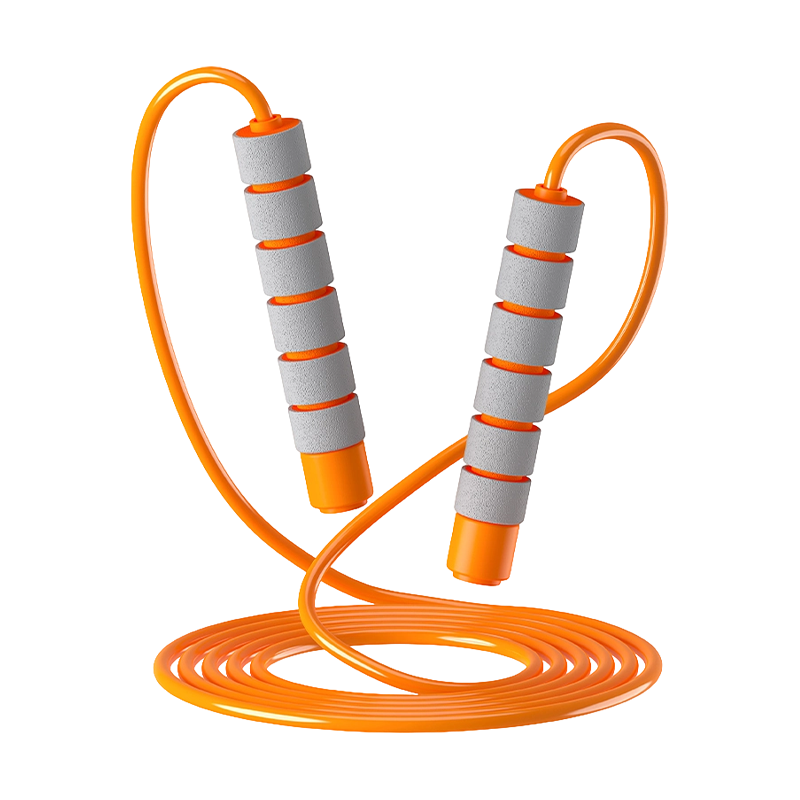
TS-1 PVC Rope Sponge Handle Jump Rope For Children
-
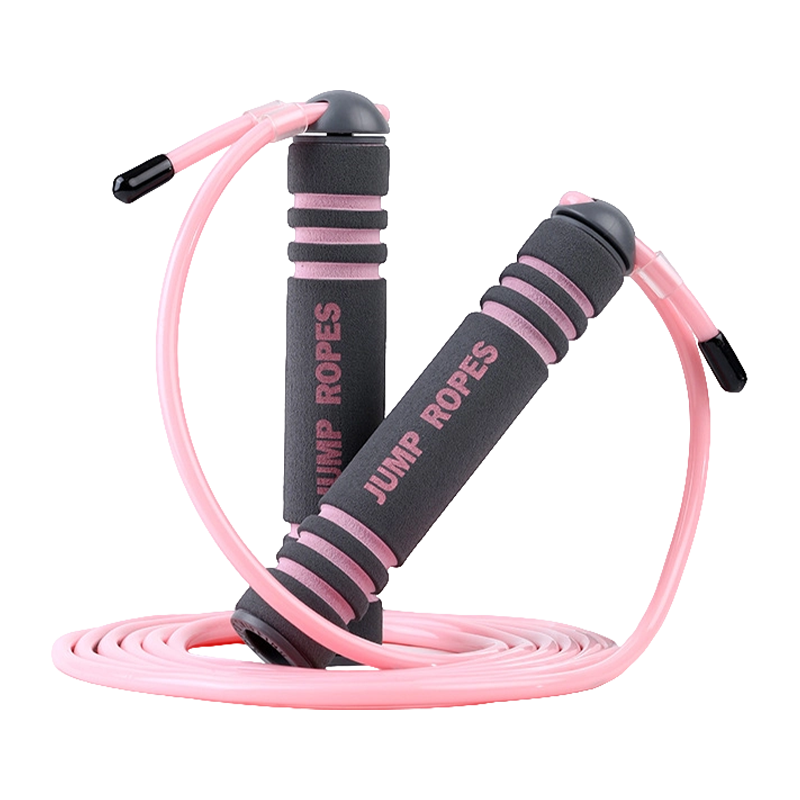
S-17 Sponge Handle Jump Rope For Children
-

TS-2 5 Slots Sponge Handle Jump Rope For Adults
-
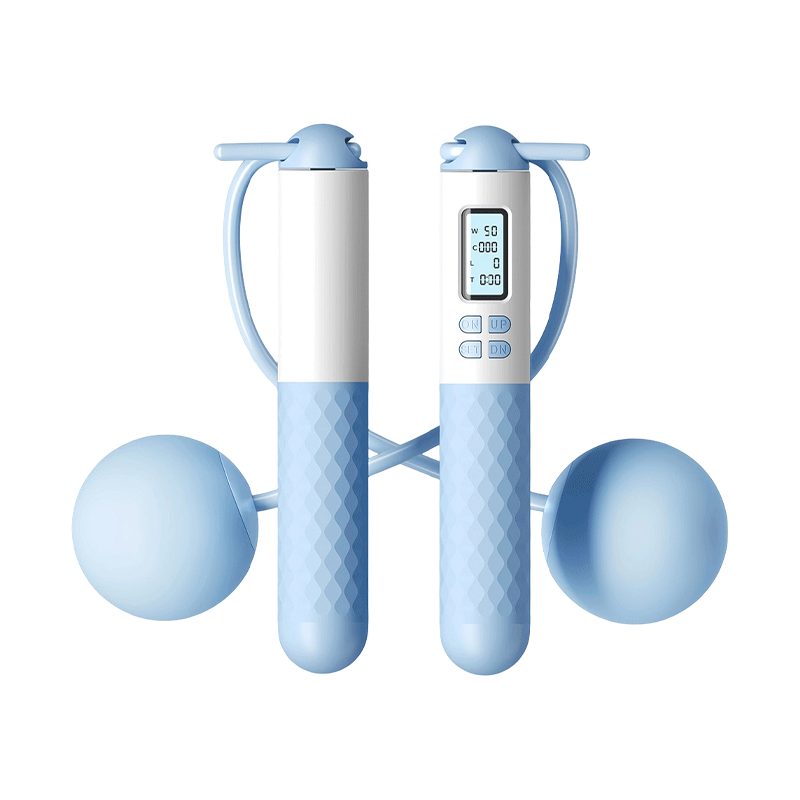
TS-7 ABS Handle Electronic Counting Jump Rope
-
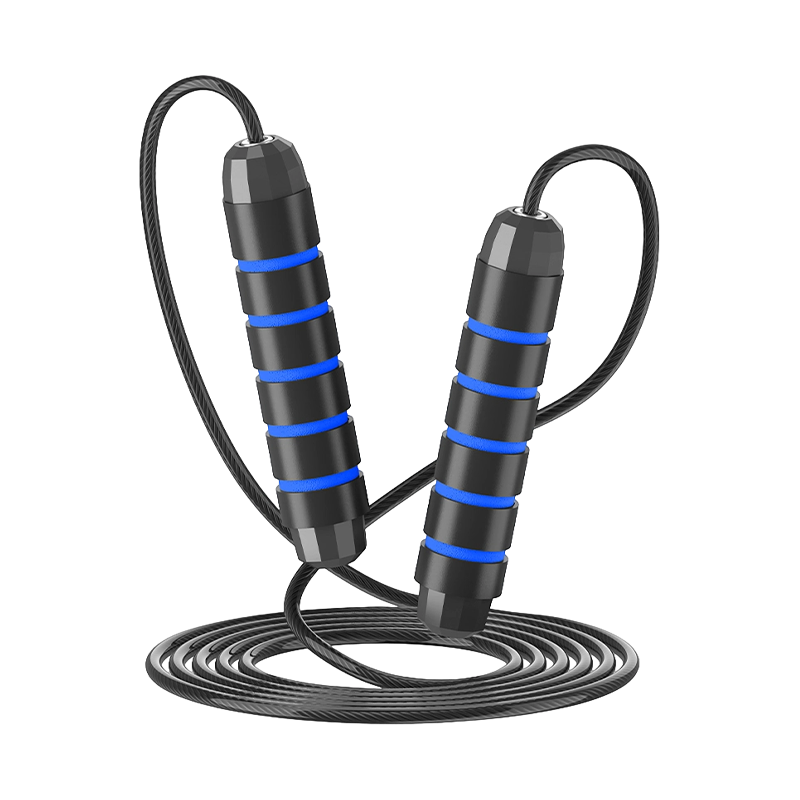
TS-3 Five-Slot Smooth Sponge Handle Jump Rope For Adults
-
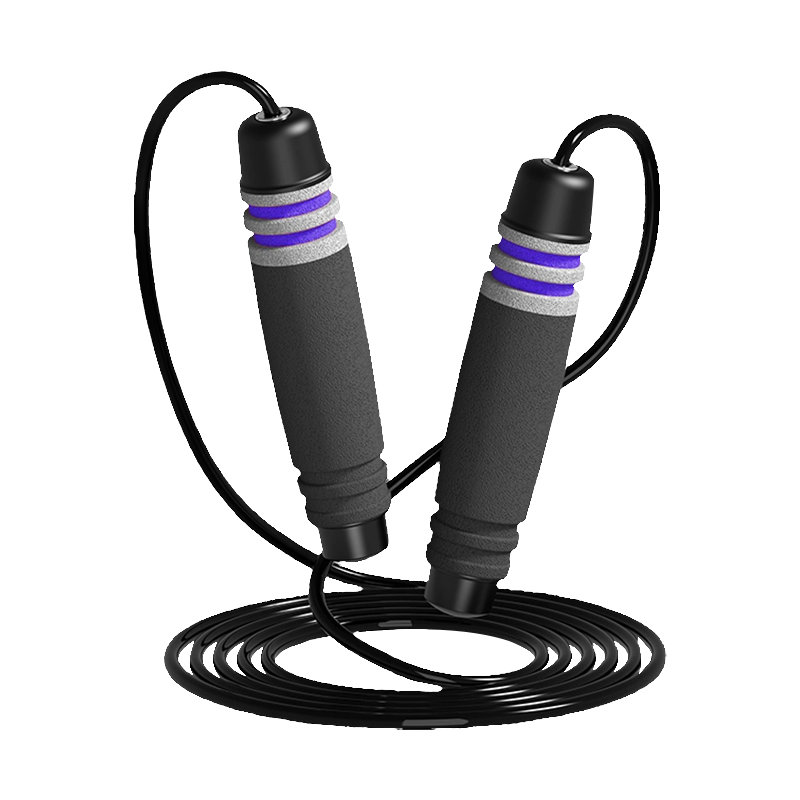
TS-3 Single Head Color/7 Groove Drum Shape Sponge Handle Jump Rope For Adults
News
-
Introduction to Racing Jump Ropes The humble jump rope, once a staple of playground nostalgia and simple cardiovascular warm-ups, has undergone a radical transformation in the mode...
READ MORE -
Discover the Power of Racing Jump Ropes Racing Jump Ropes: Defining the Speed Tool Racing Jump Ropes, often referred to as Speed Ropes, are high-performance fitness tools specifica...
READ MORE -
Introduction Jump rope workouts have long been a staple in fitness routines due to their simplicity and effectiveness. However, with the advent of technology, counting jump ropes h...
READ MORE -
Understanding the Benefits of Rubber Handle Jump Rope for Different Fitness Levels Jump rope is a simple yet highly effective fitness tool that has been gaining popularity in both ...
READ MORE

Contact Us
-

No. 215, Lane 4, Qiaotou Road, Qiaotou Town, Cixi City, Ningbo, Zhejiang Province, China.
-

+86-13867815229
-

Copyright © Cixi Lingdong Electronic Technology Co., Ltd. ALL rights reserved

UP