

 English
 Español
 عربى
عربىThe company adhering to the "customer first and forge ahead" business philosophy, adhere to provide our customers with quality service.
How can racing jump ropes help you master speed and agility? The ultimate guide
Discover the Power of Racing Jump Ropes
Racing Jump Ropes: Defining the Speed Tool
Racing Jump Ropes, often referred to as Speed Ropes, are high-performance fitness tools specifically designed to maximize rotation speed and efficiency. They fundamentally differ from traditional casual jump ropes made of cotton or thicker PVC.
The core objectives of Racing Jump Ropes are:
- Achieve High-Speed Rotation: By utilizing extremely lightweight, thin cables (usually coated steel or thin PVC) and low-friction bearing systems, they enable the user to complete multiple rotations in a very short time.
- Optimize Training Efficiency: They help athletes and fitness enthusiasts reach target heart rates quickly, making them essential tools for executing High-Intensity Interval Training (HIIT) and mastering complex skills like Double Unders.
- Provide Precise Feedback: The thin, fast cable offers clear "whip" sensation, helping users adjust rhythm and force, thereby improving coordination.
| Feature Comparison | Casual Rope | Racing Jump Rope |
| Cable Material | Thick cotton, thick PVC, leather | Thin coated steel, ultra-thin PVC/TPU |
| Cable Diameter | Larger (approx. 5mm or more) | Smaller (typically 1.5mm - 2.5mm) |
| Speed Potential | Slow to medium | Extremely Fast (easily achieving >180 jumps/minute) |
| Bearing System | Simple holes or no bearings | High-quality Ball Bearings |
| Primary Use | Casual, basic cardio, beginners | Speed training, agility, Double Unders |
Why Choose a Racing Jump Rope?
Using Racing Jump Ropes training brings manifold benefits, especially for individuals pursuing elite performance and high-efficiency fitness, where their value is irreplaceable:
- Significant Increase in Speed and Agility:
- The light, fast cable forces the user to maintain a quicker pace and a smaller jump height. This is not only physical conditioning but also neuromuscular control training, effectively boosting the reaction speed of the ankles, calves, and wrists.
- For athletes requiring rapid movement and frequent changes in direction (like basketball or soccer players), this training translates directly to agility advantages on the field.
- Superior Cardiovascular Conditioning:
- Racing Jump Ropes can push the body into high heart rate zones in very short periods. For instance, once the Double Unders technique is mastered, the calorie expenditure efficiency is far superior to traditional cardio, making it the gold standard for high-efficiency fat loss and cardiorespiratory endurance improvement.
- Enhanced Coordination and Body Awareness:
- Speed roping requires perfect synchronization between the wrists, arms, and legs. The faster the cable, the higher the demand for coordination across all body parts. Consistent training improves proprioception and timing.
Who Needs a Racing Jump Rope?
Racing Jump Ropes are not exclusive to professional athletes; they are suitable for anyone dedicated to improving performance and efficiency:
- Professional Athletes and Fitness Enthusiasts:
- CrossFitters: Racing Jump Ropes are the core tool for Double Unders in training and competition. The rope's quality directly determines the speed and fatigue level of completing the required movements.
- Combat Athletes (Boxing, MMA): Used to enhance footwork quickness, endurance, and hand-eye coordination.
- Runners and Track Athletes: Serves as a low-impact, high-intensity cross-training method to improve cardiorespiratory function while strengthening calves and ankles, helping to prevent shin splints.
- Anyone Desiring High-Efficiency Cardio:
- If you have limited time and want to achieve the fat-burning effect of a 30-minute slow jog in 10 minutes, a Racing Jump Rope is your best investment.
- For those who have mastered basic jumping and wish to advance to Double Unders or achieve higher jumps per minute.
Anatomy of an Ultimate Racing Jump Rope
This section will delve into the critical structural components of Racing Jump Ropes. Understanding how these components work together is vital for selecting a rope that maximizes your speed and efficiency.
Cable Material: The Core of Speed
The cable is the core of a Racing Jump Rope. Its material, diameter, and weight directly determine the rope's rotation speed and feedback. There are primarily two materials on the market: coated steel and polymer (such as PVC/TPU).
Material Comparison: PVC vs. Coated Steel Cable
| Characteristic | Polymer Cable (PVC/TPU) | Coated Steel Cable |
| Speed Potential | Very fast (usually slightly slower than steel) | Ultimate Speed (lightest, thinnest) |
| Feedback | Good, more uniform weight distribution, softer feedback. | Excellent, clear feedback, you can feel the air resistance. |
| Durability | Prone to wear, especially on rough surfaces. | Coating is durable, but prolonged friction may cause flaking. |
| Deformation/Memory | Prone to deformation or kinking (memory effect) when bent or tangled. | Not easily deformed, but can be permanently damaged if kinked sharply. |
| Indoor/Outdoor Use | Suitable for indoor, occasionally for outdoor use. | Primarily indoor; coating is highly susceptible to damage on rough surfaces. |
| Applicable Users | Beginners, those focusing on rhythm and softer feedback. | Advanced users, professional Double Unders training. |
Cable Thickness and Its Impact on Speed
The cable's diameter is the most crucial parameter affecting speed. A smaller diameter results in less air resistance and less force required, naturally leading to a higher rotation speed.
- Ultra-Thin Cable: Approx. 1.5mm - 2.0mm
- Features: Extremely light, highest speed potential. Suitable for professional athletes and advanced users seeking ultimate speed.
- Drawbacks: High technical demand, lacks feedback, and a slight error can result in a very painful whip.
- Standard Racing Cable: Approx. 2.0mm - 2.5mm
- Features: The balance point between speed and feedback. The preferred choice for most users performing Double Unders and high-speed training.
- Training/Heavy Cable: Approx. 3.0mm - 4.0mm
- Features: Slower speed but provides higher inertia and stronger feedback, helping beginners establish rhythm.
Handle Design: Grip, Comfort, and Control
The handle is the connection point between the user and the Racing Jump Ropes. Its design affects force efficiency and comfort during prolonged training.
Ergonomic Considerations for Grip and Comfort
Racing handle designs prioritize efficiency and stability:
- Shape: Many racing handles feature a tapered design, being thinner near the cable connection and wider at the end, which naturally conforms to the palm, offering a stable grip that doesn't require excessive squeezing.
- Texture: Must have anti-slip texture or covering to ensure firm control even when hands are sweaty during high-intensity sessions.
- Weight: Ideally, a racing handle should be lightweight to reduce arm fatigue and allow more energy to be focused on rapid wrist rotation.
Handle Materials (Plastic, Aluminum, Foam)
| Material | Advantages | Disadvantages |
| Plastic/Polymer | Lightweight, economical, variety of colors. | Slightly less durable, may crack under high-intensity use. |
| Aluminum | Extremely durable, solid feel, provides stable weight. | Higher cost, may feel cold to the touch in cold environments. |
| Foam | Excellent comfort, sweat absorption, non-slip. | Lacks rigidity, unsuitable for maximizing speed-focused force generation. |
Handle Length and Its Effect on Rotation
The handle length affects the lever arm length and cable control:
- Standard Racing Handle: Length is typically between 5.5 to 6.5 inches. This length provides the necessary leverage for quick wrist rotation while being short enough to avoid unnecessary wobbling.
- Longer Handle: Provides greater leverage, but the wrist movement travel is also longer, generally detrimental to extreme speed.
- Shorter Handle: Reduces wobble, but demands higher strength and precision from the wrist.
Bearing System: The Engine of Smooth Rotation
A high-quality bearing system is the secret to a Racing Jump Ropes achieving high rotational speeds. The bearing's function is to eliminate friction at the handle-cable connection, ensuring the cable can rotate smoothly and independently of the handle at high velocity.
Types of Bearings: Ball Bearings vs. Bushings
- Ball Bearings:
- Principle: Uses tiny steel balls rolling between inner and outer rings to manage the load.
- Features: Highest speed and smoothest rotation. Can withstand multi-directional tension generated during high-speed cable rotation, making them the standard for professional-grade Racing Jump Ropes.
- Bushings:
- Principle: Utilizes a smooth sleeve or liner as a sliding surface, resulting in relatively higher friction.
- Features: Lower cost, durable. While not as smooth as ball bearings, they can still provide sufficient speed for most training purposes with good manufacturing quality.
Importance of Smooth Rotation for Speed
If the bearing system experiences friction or sticking, every cable rotation loses energy, forcing the user to increase wrist effort to maintain speed. This leads to:
- Higher Fatigue: Inability to sustain high-speed training for long periods.
- Double Unders Failure: Even slight sticking can cause the cable to catch the user's feet during the second pass.
Adjustability and Customization
Ease of Adjusting Cable Length
Racing Jump Ropes must have a convenient and reliable length adjustment mechanism, as even a few inches of error can impact efficiency. Common adjustment mechanisms include:
- Screw Lock (Set Screw Mechanism): Secures the cable end using a small screw.
- Crimp/Clamp: Single-use or reusable clamps fix the cable length.
Accurate length adjustment is critical for ensuring correct training posture and reducing errors.
Mastering the Selection of Your Racing Jump Rope
Even with knowledge of all the structural details of Racing Jump Ropes, selecting the most suitable model requires a systematic approach. This section will guide you to determine the ideal speed rope based on your current fitness level, training goals, and body dimensions.
Factors to Consider Based on Fitness Level and Training Goals
When choosing a Racing Jump Ropes, the most important thing is not to aim for the absolute fastest rope, but the one that best suits your current skill level and goals.
1. Beginner Focus: Consistency and Feedback
- Goal: Master basic jumping rhythm, reduce errors, and build cardiorespiratory endurance.
- Recommended Cable: Slightly thicker PVC or medium thickness (approx. 2.5mm) coated steel.
- Reason: The thicker cable provides stronger "whip sensation" and greater inertia, making the rope's rotational rhythm easier to sense and maintain, which helps in correcting wrist force application.
- Recommended Bearings: Bushings or reliable quality Ball Bearings.
2. Intermediate Focus: Double Unders and Endurance
- Goal: Consistently achieve consecutive Double Unders, increase jumping speed and training duration.
- Recommended Cable: Standard racing thickness (approx. 2.0mm - 2.5mm) coated steel.
- Reason: This thickness offers a perfect balance between speed and control, fast enough for high-speed rotation while retaining enough weight for feedback.
- Recommended Bearings: High-quality Ball Bearings to ensure extreme smoothness at high speeds.
3. Advanced Focus: Maximum RPM and Triple Unders
- Goal: Pursue maximum rotational speed (RPM), and challenge Triple Unders or other complex skills.
- Recommended Cable: Ultra-thin cable (1.5mm - 2.0mm) coated steel.
- Reason: Extreme light weight and low drag are necessary to reach the upper limits of human rotation speed.
- Recommended Bearings: Specially optimized high-speed Ball Bearings, often utilizing open or high-performance sealed designs.
| Target User | Cable Diameter (mm) | Material Preference | Bearing System |
| Beginner | 2.5 - 3.0 | PVC or coated steel | Bushings or standard Ball Bearings |
| Intermediate | 2.0 - 2.5 | Coated steel | High-quality Ball Bearings |
| Advanced | 1.5 - 2.0 | Coated steel | High-speed Ball Bearings |
Sizing guide: The Essential Formula for Optimal Performance
The correct cable length is the foundation for unleashing the performance of Racing Jump Ropes. Too long results in cable lag, unnecessary friction, and errors; too short forces you to bend your knees or shrug your shoulders, leading to incorrect posture and fatigue.
How to Determine the Correct Cable Length
We recommend using the following two common methods, each with a different focus, but both helping you find the ideal length:
Method One: The Foot Stance Method - For Beginners
- Stance: Lightly step on the center of the cable with one foot, feet together.
- Pull Up: Hold the handles and pull them up along your sides.
- Ideal Length:
- For beginners or general cardio, the end of the handle (excluding the cable attachment) should reach your lower chest or armpit.
- Principle: A longer rope provides greater room for error in the jump, reducing the likelihood of tripping.
Method Two: The Chest/Shoulder Method - For Racing and Double Unders
- Stance: Step on the center of the cable as in Method One.
- Pull Up: Pull the handles up.
- Ideal Length:
- For Racing Jump Ropes and Double Unders training, the end of the handle (excluding the cable attachment) should reach your nipple line (mid-chest) or lower rib cage.
- Principle: A shorter rope reduces the arc of the cable's travel, thus increasing the cable's passing speed, which is crucial for mastering Double Unders.
How Incorrect Racing Jump Ropes Sizing Hinders Speed Improvement
- Rope Too Long:
- Inefficiency: The rope creates a larger arc on the sides, increasing air resistance and slowing down rotation.
- Postural Errors: Forces your arms to spread out to control the rope, leading to premature shoulder and arm fatigue.
- Rope Too Short:
- Low Tolerance: Tripping occurs with minimal error, leading to frustration.
- Jumping Too High: Forces you to jump higher to clear the cable, wasting energy and hindering continuity.
Adjustment Tip: When adjusting Racing Jump Ropes cable length, it is best to be too long first, then shorten. Start testing at the "lower chest" measurement, and gradually trim 1 to 2 inches every few weeks or once your technique is stable, until you find the minimum length that supports your efficient jumping.
Comparing Top-Tier Racing Jump Ropes
When selecting a Racing Jump Ropes, you will encounter various designs and price points. While we avoid specific brands, we can understand their value difference from a construction perspective:
Entry-Level vs. Professional Racing Jump Ropes
| Feature | Entry-Level Speed Rope | Professional Speed Rope |
| Cable Material | Standard PVC or lightweight coated steel | Premium polymer coated steel |
| Bearing System | Simple bushings or standard ball bearings | High-precision, low-friction ball bearings |
| Handle Material | Plastic/Polymer | Aircraft-grade aluminum or high-density plastic |
| Cable Adjustment | Screw fixing, requires tools for adjustment | Tool-free quick adjustment, highly accurate |
| Cable Replacement | Often fixed or difficult to replace | Quick and easy replacement of different cable thicknesses |
- Value Proposition: The higher value of professional-grade Racing Jump Ropes is primarily reflected in the precision of the bearing system and the durability and ergonomic design of the handle. This investment ensures smooth performance is maintained even after tens of thousands of rotations, which is crucial for specialized training.
Training with Your Racing Jump Rope: From Basics to Double Unders
Simply owning a top-tier Racing Jump Ropes is not enough; mastering the correct techniques and training methods is what truly unlocks your speed potential. This section provides a detailed guide from fundamental to advanced skills.
Foundational Techniques: Building a Speedy Base
Whether your goal is to increase speed or master Double Unders, everything starts with the correct posture and efficient movement pattern.
1. Correct Body Posture
| Element | Correct Technique Description | Consequence of Incorrect Technique |
| Body Posture | Core tight, maintain an upright stance, gaze forward. | Hunching over, looking down, leading to an unstable center of gravity. |
| Jump Height | Minimal jump (just enough for the cable to pass), knees slightly bent, primarily using ankle effort. | Jumping too high, wasting energy, unable to maintain high rotation speed. |
| Arm Position | Elbows close to the sides of the body, slightly forward. Keep the upper arms and shoulders relaxed and stable. | Elbows flared out or frequent swinging, increasing friction and errors. |
2. Wrist Force Technique: The Key to Efficient Rotation
The driving force for Racing Jump Ropes should primarily come from small, rapid, circular movements of the wrists, not large arm swings.
- Wrist Drive: Imagine the wrists as blenders, rotating quickly and steadily. This is the core element that ensures the cable maintains a stable arc and high rotation speed.
- Force Amplitude: The amplitude of each wrist rotation should be as small as possible; the more concise the movement, the faster the speed and the lower the fatigue.
- Synchronization: Ensure the rotation rate and arc of both wrists are perfectly synchronized.
Unlocking Advanced Techniques and Efficiency
After mastering the basic single under, the next step is to leverage the speed advantage of Racing Jump Ropes to challenge more advanced skills, especially Double Unders.
Double Unders Step-by-Step Guide
Double Unders require the cable to pass under your feet twice for a single jump.
| Step | Technique Focus | Key Focus Area |
| 1. Basic Single Unders | First, ensure you can consistently perform 100+ single unders, maintaining minimal jump height. | Ensure the wrist drive pattern is solidified. |
| 2. Practice Explosiveness | Try performing one higher jump every 5-10 consecutive single unders. | Train vertical explosiveness and timing of the legs. |
| 3. Timing and Acceleration | At the peak height, immediately, quickly, and forcefully rotate your wrists (similar to honking a horn motion). | Wrist effort must be decisive and rapid; the rotation speed must be double that of a single under. |
| 4. Rhythm Integration | Alternate between single and double unders (e.g., 3 Single + 1 Double), gradually reducing the number of single unders. | Maintain even breathing and find the rhythm transition between high and low jumps. |
Double Unders Common Errors and Corrections
| Common Error | Impact | Correction Method |
| "Dolphin Jump" | Bending knees or hips during the jump, wasting energy, slow movement. | Keep the body straight, absorb impact only through a slight bend in the ankles and knees. |
| "Arm Swinging" | Using shoulder and arm effort, elbows move away from the body. | Keep elbows close to your sides; use only wrist force. |
| "Double Tap" | A brief secondary jump or pause before the feet land after the first cable pass. | Focus on a single, continuous high jump, maintaining relaxation. |
| Rope Too Long | Cable arc is too large, insufficient rotation speed. | Adjust the cable length according to the racing guide, to the mid-chest position. |
Sample Workout Routines Incorporating Racing Jump Ropes
Here are a few training examples that utilize the high-efficiency nature of Racing Jump Ropes:
1. High-Intensity Fat Burning Interval Training (HIIT)
- Goal: Rapidly raise heart rate, efficient fat burning.
- Cycle: Repeat 6-8 rounds.
- Work Period: Fast single unders (max effort) or stable double unders (if possible) →45 seconds
- Rest Period: Complete rest or slow single unders →15 seconds
2. Endurance and Speed Progression Training (Endurance Climb)
- Goal: Improve cardiorespiratory endurance and ability to sustain high speed for extended periods.
- Structure: Attempt to increase your skipping speed by 10% every 60 seconds.
- Minute 1: Comfortable pace single unders.
- Minute 2: Slightly increase speed.
- ...
- Minute 5: As fast as possible.
- Rest 2 minutes, repeat 3 times.
3. Double Unders Skill Builder
- Goal: Increase the number of consecutive double unders.
- Cycle:
- Attempt consecutive double unders rightarrow Rest 15 seconds immediately after failure
- Perform 20 fast single unders
- Rest 15 seconds
- Repeat this cycle 10-15 times, until fatigue.
Warm-up and Cool-down Exercises
Proper warm-up and cool-down are crucial for training safety and extending the life of your Racing Jump Ropes.
1. Dynamic Warm-up
- Wrist and Ankle Circles: Ensure key joints needed for cable rotation and landing are mobilized.
- Jumping Lunges or High Knees: Lightly elevate heart rate, activating core and leg muscles.
- Light Single Unders: Perform 60 seconds of single unders at a slow pace, as an adaptive preparation for the rope.
2. Static Cool-down
- Calf Stretch: Lunge position to stretch the gastrocnemius and soleus muscles of the calf.
- Shoulder and Forearm Stretch: Relieve tension from prolonged fast rotation of the wrists and upper arms.
- Deep Breathing: Slowly bring the heart rate back to a normal level.
Longevity and Care for Your Investment
High-performance Racing Jump Ropes are a significant fitness investment. Proper maintenance and care will not only extend the rope's lifespan but, more importantly, preserve the smoothness of its bearing system, thereby ensuring your training speed and efficiency.
Proper Storage Techniques to Prolong Rope Life
Improper storage is a leading cause of damage or reduced performance in Racing Jump Ropes, especially for steel cables.
- Avoid Cable Kinking: Once a coated steel cable develops a severe kink or bend (known as "memory effect"), it permanently alters its balance and arc, severely impacting speed and stability.
- Recommendation: Always coil the cable loosely in a wide circular arc, or hang it up. Avoid tightly wrapping the cable into small circles.
- Use Storage Bag or Case: Many high-performance Racing Jump Ropes come with dedicated storage bags or cases. Use these tools to protect the cable coating from scratches or abrasion by other fitness equipment.
- Keep Away from Extreme Temperatures and Moisture: Store the rope in a dry, room-temperature environment. High heat and humidity can cause the metal inside the steel cable to rust or accelerate the degradation of the polymer coating.
Cleaning and Maintenance Tips
Regular cleaning and maintenance of your Racing Jump Ropes, particularly the bearing area, are essential for preserving its "racing" performance.
1. Cable Cleaning
- PVC/TPU Cables: Can be gently wiped with a damp cloth (using a small amount of mild soapy water) to remove sweat and floor dust after training.
- Coated Steel Cables: Keeping them dry is paramount. If cleaning is necessary, wipe with a dry cloth and ensure the cable is completely dry before storage. Sweat contains salts, a major cause of metal rust or coating deterioration.
2. Bearing System Care
The bearing is the core of speed and the most vulnerable part:
- Keep Clean: Dust, sand, or fine floor particles are the bearing's worst enemies. They can penetrate the ball bearings, increase friction, and cause sticking.
- Regular Inspection: Check the bearing connection points for looseness, strange noises, or any rotational stiffness.
- Lubrication (For Removable Bearings Only): If your Racing Jump Ropes use an open or removable ball bearing system and start to make noise, you can carefully apply one drop of light machine lubricant (like sewing machine oil or specialized bearing lubricant) for lubrication. Note: For most sealed bearings, self-disassembly or lubrication is not recommended, as it may damage the seal.
| Maintenance Area | Cleaning Frequency | Key Maintenance Point |
| Cable | After every use (wipe off sweat with a dry cloth) | Check the coating for damage or exposed steel wire. |
| Handle | Once a week | Wipe off dirt and oil from the handles to maintain grip. |
| Bearings | Monthly visual check | Ensure smooth rotation with no abnormal noise. Avoid contact with water and sand. |
When to Replace Your Jump Rope
Even the most durable Racing Jump Ropes have a lifespan. Timely replacement of damaged components is necessary to ensure training safety and effectiveness.
| Replacement Signal | Impact on Performance | Suggested Action |
| Cable coating cracks or steel wire is exposed | Cuts skin, uneven cable weight distribution, increased tripping risk. | Replace the cable immediately. |
| Bearings make continuous, sharp friction noise | Increased resistance, leading to speed reduction and arm fatigue. | Attempt cleaning; if ineffective, then replace the handle or bearing component. |
| Cable has permanent kinks/deformation | Cannot maintain a circular rotation arc, error rate significantly increases. | Replace the cable immediately. |
| Handle cracks or becomes loose | Affects feel and force transfer, poses a safety hazard. | Replace the handle. |
Please remember, the cables of Racing Jump Ropes are considered "consumable items," especially for users training on rough surfaces (like concrete). Having spare cables ready ensures your training plan is not interrupted.
Racing Jump Ropes: FAQs for Peak Performance
This section aims to answer the most common questions encountered when training with Racing Jump Ropes, helping you resolve training issues and continuously improve performance.
Q: Where is the best place to jump with my Racing Jump Rope?
The choice of surface is critical for the lifespan and performance of your Racing Jump Ropes cable.
| Surface Type | Recommendation Level | Impact on Cable |
| Rubber or Mat | Highly Recommended | Provides maximum cushioning, protecting the cable coating and bearings. The best choice for speed and Double Unders. |
| Wood Floor | Recommended | Smooth, low cable wear, but be mindful of slipping and bearing noise. |
| Smooth Concrete | Tolerable | Will accelerate wear on the cable coating, but is acceptable. Suitable for short-term training. |
| Rough Asphalt or Gravel | Strongly Not Recommended | Cable coating will be stripped quickly, leading to drastically reduced cable lifespan. |
Important Tip: If you must train on a rough surface, please consider using a thicker PVC cable (sacrificing a little speed), or place a dedicated jump rope mat on the ground.
Q: Why do my Double Unders always get stuck?
Failure in consecutive Double Unders is usually caused by technique or equipment setup, rather than purely a strength issue.
| Failure Cause Category | Specific Symptom and Analysis | Correction Strategy |
| Technical (Timing/Form) | Rope hits feet or head, uneven wrist force, or chaotic jumping rhythm. | Focus on decisive wrist acceleration, ensure consistent jump height, and adjust cable length based on the “mid-chest” principle. |
| Equipment (Setup) | Sticking bearings, cable deformation/kinking, or cable too long. | Check if bearings need cleaning or replacement. Confirm the cable is stored loosely coiled. |
| Physiological (Fatigue) | Body or arm fatigue, leading to a drop in wrist rotation speed. | Practice Double Unders interspersed with rest or lower-intensity single unders. |
Q: How much faster is a steel cable compared to a PVC cable?
Due to fluid dynamics principles, a thinner coated steel cable can typically achieve higher maximum rotation speeds than a PVC cable.
- Speed Advantage: At the same wrist effort, a 1.8mm steel cable theoretically reduces air resistance by about 40% compared to a 2.5mm PVC cable. This means you can sustain a higher speed with less energy expenditure.
- Actual Experience Difference: PVC cables (especially lighter ones) might feel quicker at low speeds, but the low-drag advantage of the steel cable becomes fully apparent when accelerating to the extreme speeds required for Double Unders.
- Summary: If the goal is absolute maximum speed and high-count consecutive Double Unders, the steel cable is the superior choice.
Q: Do I need a weighted jump rope for speed training?
This is a common misconception. Weighted ropes and Racing Jump Ropes have completely different training goals and should not be confused.
| Rope Type | Primary Training Goal | Impact on Speed | Suggested Usage Scenario |
| Weighted Rope | Strength, endurance, muscle activation, cardiorespiratory resistance. | Slower rotation speed, designed to increase training intensity rather than speed. | Strength training days, enhancing shoulder and arm endurance. |
| Racing Jump Rope | Speed, agility, coordination, maximum RPM. | Rotation speed is extremely fast, training objective is to improve neuromuscular reaction speed. | Skill training days, dedicated Double Unders practice. |
If your goal is to increase the speed and efficiency of your Racing Jump Ropes and Double Unders, you should use a light and fast rope. A weighted rope is an excellent cross-training tool, but it trains strength, not speed.
Q: Will Racing Jump Ropes make my calves bigger?
This concern is unnecessary. Jumping rope, especially speed roping, is a high-frequency, low-load form of exercise.
- Muscle Type: Racing Jump Ropes primarily train the slow-twitch muscle fibers (endurance fibers) of the calf. This type of training mode increases muscle endurance, leading to leaner, more defined muscles, rather than explosive growth in muscle volume like heavy weightlifting.
- High-Frequency, Low-Load: Continuous small jumping movements rely more on tendons and elasticity, which helps strengthen ankle stability and improves springiness, rather than increasing calf circumference.
Related Product
-
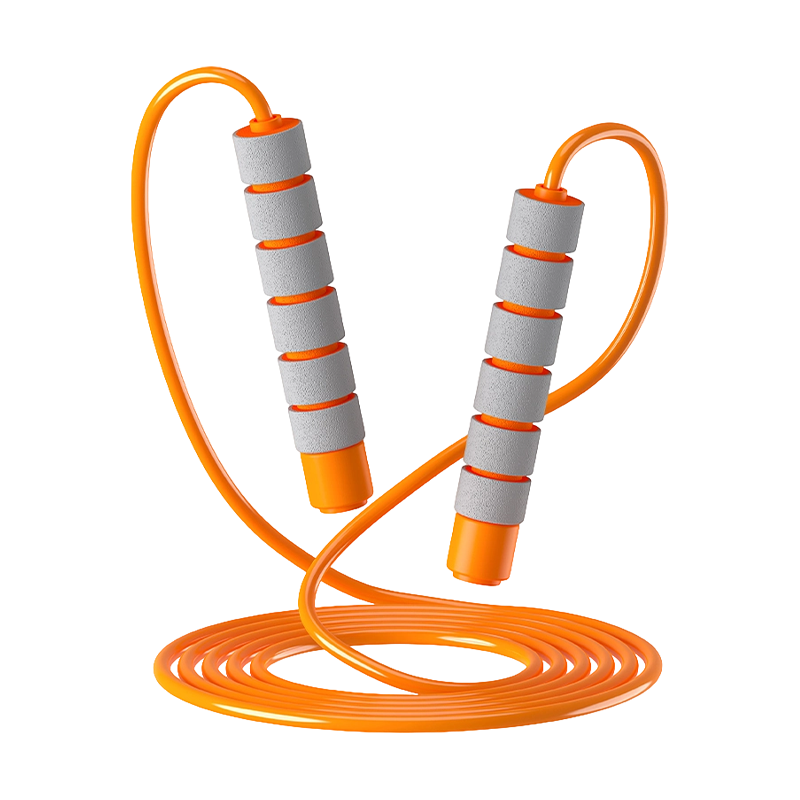
TS-1 PVC Rope Sponge Handle Jump Rope For Children
-
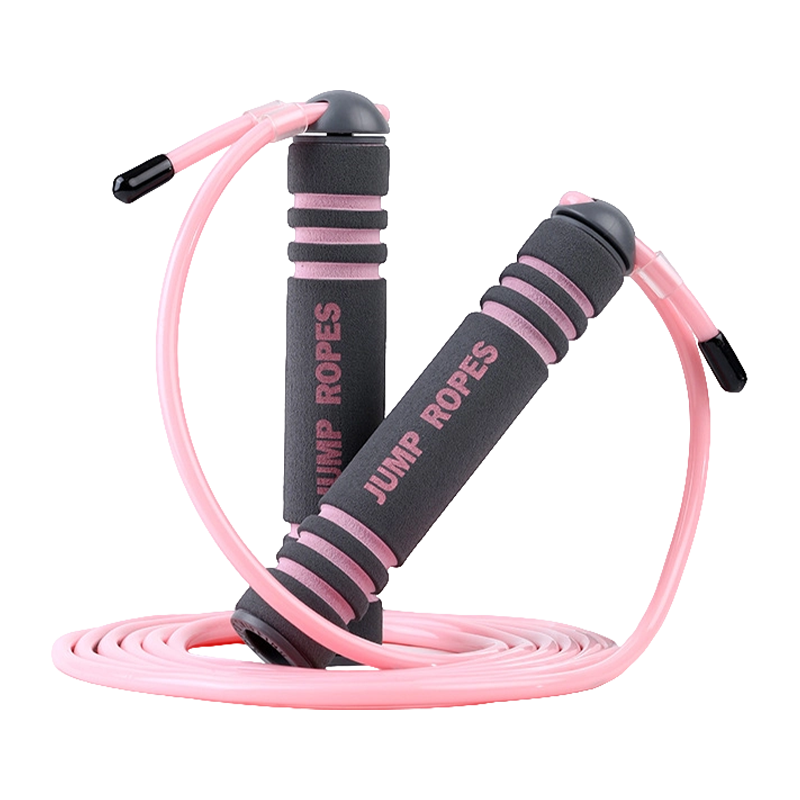
S-17 Sponge Handle Jump Rope For Children
-
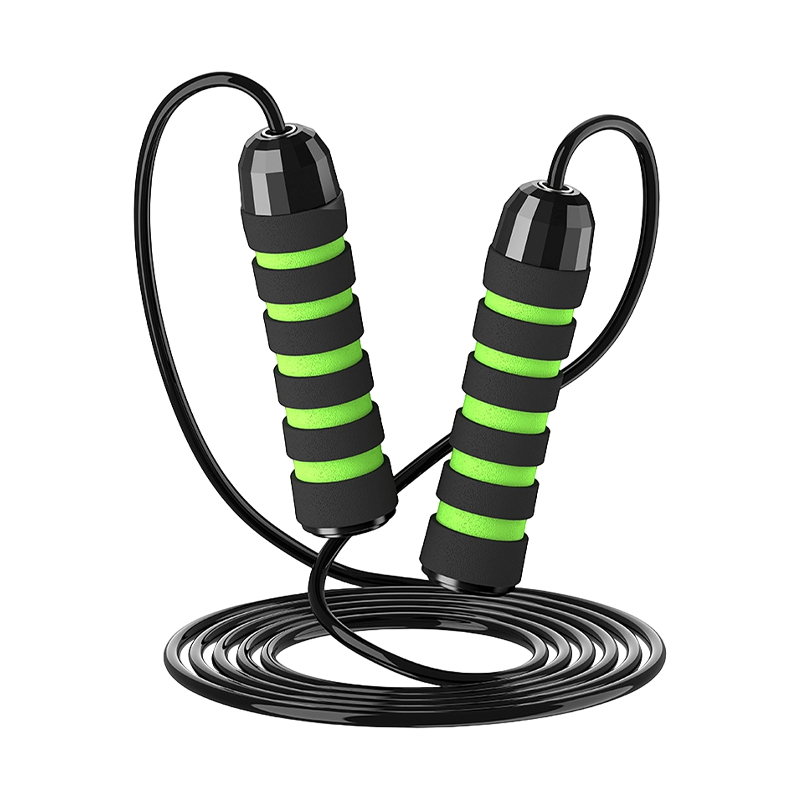
TS-2 5 Slots Sponge Handle Jump Rope For Adults
-
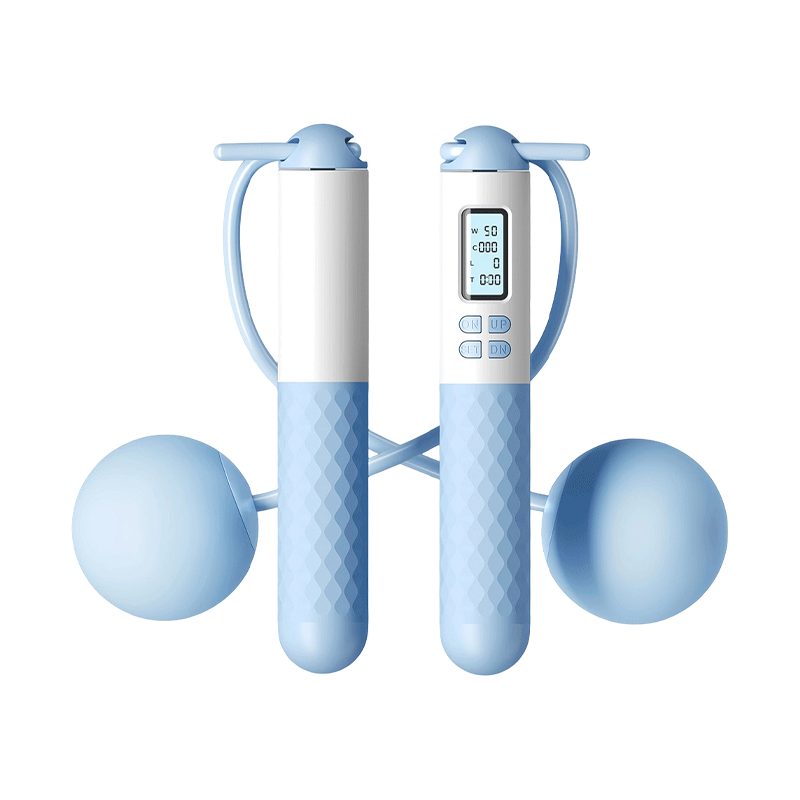
TS-7 ABS Handle Electronic Counting Jump Rope
-
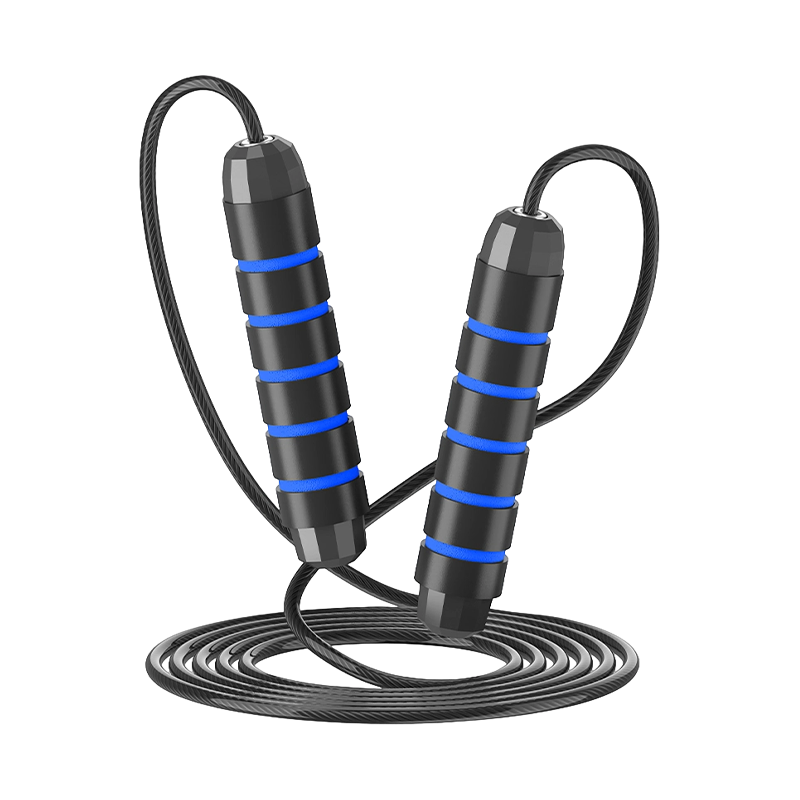
TS-3 Five-Slot Smooth Sponge Handle Jump Rope For Adults
-
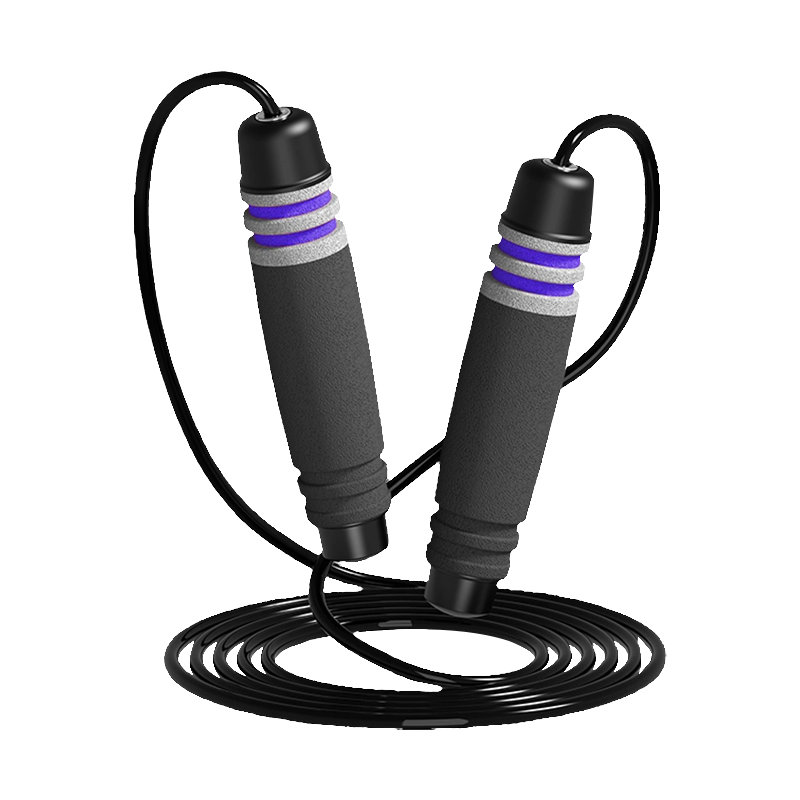
TS-3 Single Head Color/7 Groove Drum Shape Sponge Handle Jump Rope For Adults
News
-
Introduction to Racing Jump Ropes The humble jump rope, once a staple of playground nostalgia and simple cardiovascular warm-ups, has undergone a radical transformation in the mode...
READ MORE -
Discover the Power of Racing Jump Ropes Racing Jump Ropes: Defining the Speed Tool Racing Jump Ropes, often referred to as Speed Ropes, are high-performance fitness tools specifica...
READ MORE -
Introduction Jump rope workouts have long been a staple in fitness routines due to their simplicity and effectiveness. However, with the advent of technology, counting jump ropes h...
READ MORE -
Understanding the Benefits of Rubber Handle Jump Rope for Different Fitness Levels Jump rope is a simple yet highly effective fitness tool that has been gaining popularity in both ...
READ MORE

Contact Us
-

No. 215, Lane 4, Qiaotou Road, Qiaotou Town, Cixi City, Ningbo, Zhejiang Province, China.
-

+86-13867815229
-

Copyright © Cixi Lingdong Electronic Technology Co., Ltd. ALL rights reserved

UP