English
 Español
 عربى
عربىFitness & Body Composition
Can Skipping Rope Alone Get Rid of Belly Fat, or Do I Need Other Exercises Too?
A grounded, evidence-based look at what jump rope training can and cannot do for your midsection — and the routine that actually closes the gap.
The Direct Answer
The short answer is no, skipping rope alone cannot fully get rid of belly fat, but it is one of the most efficient calorie-burning exercises available for supporting overall fat loss, including fat around the midsection. Belly fat reduction is governed by a whole-body process called a caloric deficit, not by targeting one specific area through a single exercise. Skipping rope burns a substantial number of calories per minute, strengthens the core, and improves metabolic rate, all of which contribute to fat loss over time.
However, without attention to diet, consistency, and a combination of cardiovascular and strength-based movement, jump rope training by itself is unlikely to produce dramatic belly fat reduction. Think of skipping rope as a powerful tool in a larger toolbox rather than a standalone solution.
Fat loss follows the body, not the exercise. Skipping rope works the abs hardest — but the fat it burns comes from everywhere at once.
Research on exercise physiology consistently shows that the body loses fat systemically, pulling from fat stores across the entire body rather than from the area being exercised. This means that while your abdominal muscles are activated heavily during skipping, the fat covering those muscles will shrink at the same rate as fat elsewhere in your body.
Why Spot Reduction Doesn't Work the Way You Think
Many people begin a skipping rope routine believing that repeated abdominal engagement will melt fat specifically from the stomach area. Unfortunately, this concept, known as spot reduction, has been repeatedly disproven in exercise science. When you skip rope, your body draws energy from fat stores throughout your body based on genetics, hormone levels, and overall body composition, not from the muscle group being worked hardest.
What Actually Happens During a Skipping Session
During a moderate-intensity skipping rope session, your body primarily uses a mix of stored carbohydrates and fat for fuel. As sessions become longer or more frequent, and as your caloric intake is managed, your body increasingly taps into fat reserves to meet energy demands. Over weeks and months, this creates a gradual, whole-body fat reduction that eventually includes the abdominal region, especially once visceral fat levels begin to decrease.
Info
Reframe the goal from "burn fat only from my belly" to "create a consistent caloric deficit while preserving muscle." Skipping rope plays a strong supporting role in the second, more achievable question.
Skipping Rope Benefits That Support Belly Fat Loss
While skipping rope cannot isolate belly fat, its overall skipping rope benefits make it one of the most time-efficient cardiovascular exercises for reducing total body fat percentage. A person weighing around 70 kilograms can burn approximately 600 to 700 calories per hour skipping at a moderate pace, a rate comparable to running an 8-minute mile. Because it requires no equipment beyond a rope and a small amount of space, it is also one of the most accessible exercises for consistent, long-term use.
Core Engagement and Metabolic Impact
Skipping rope requires continuous engagement of the transverse abdominis and obliques to stabilize the torso during each jump. This constant low-level activation improves core endurance and posture over time. Additionally, the high-intensity, repetitive nature of skipping elevates heart rate quickly, triggering excess post-exercise oxygen consumption, commonly known as the afterburn effect, where the body continues burning calories at an elevated rate for hours after the workout ends.
Cardiovascular and Coordination Improvements
Beyond fat loss, skipping rope improves cardiovascular endurance, ankle stability, and hand-eye coordination. These improvements indirectly support fat loss goals because better cardiovascular fitness allows for longer, more intense workouts over time, which increases total caloric expenditure across a training program.
Skipping Rope vs Jump Rope: Is There a Real Difference?
One common point of confusion is the comparison of skipping rope vs jump rope, and the reality is that these terms describe the same fundamental exercise. Regionally, "skipping rope" is more common in British English, while "jump rope" is the preferred term in American English, but the movement pattern, muscle engagement, and calorie-burning potential are identical. There is no difference in effectiveness for belly fat reduction between the two terms, as they refer to the same physical activity performed with a length of rope swung under the feet while jumping.
Where variation does exist is in the type of rope used and the technique applied, such as basic two-foot jumps, alternating foot steps, high knees, or double-unders. These technique variations can change intensity and calorie burn, but the underlying exercise category remains consistent regardless of which name is used.
How Skipping Rope Compares to Other Cardio Exercises
To understand where skipping rope fits into a belly fat loss plan, it helps to compare it against other common forms of cardio in terms of calorie burn efficiency.
| Activity | Calories Burned Per 30 Minutes | Core Engagement Level |
|---|---|---|
| Skipping Rope | 300 – 375 | High |
| Running (Moderate Pace) | 300 – 355 | Moderate |
| Cycling (Moderate Pace) | 250 – 300 | Low |
| Brisk Walking | 120 – 150 | Low |
As shown, skipping rope offers a slight edge over running in terms of calories burned per minute while requiring far less space and equipment, making it a practical option for people who cannot access a gym or outdoor running route consistently.
Building a Complete Routine for Belly Fat Loss
Since skipping rope alone will not eliminate belly fat, pairing it with complementary exercises accelerates results. A well-rounded weekly plan should combine cardiovascular work, resistance training, and adequate recovery.
- Skip rope for 15 to 20 minutes, 4 to 5 days per week, using interval formats such as 30 seconds skipping followed by 30 seconds rest.
- Add 2 to 3 strength training sessions per week focused on compound movements like squats, deadlifts, and rows to preserve and build lean muscle mass.
- Include core-specific exercises such as planks and dead bugs twice weekly to strengthen the abdominal wall beneath the fat layer.
- Prioritize protein intake and a modest caloric deficit of around 300 to 500 calories per day to support fat loss without excessive muscle breakdown.
- Allow at least one full rest day per week to support recovery and hormonal balance, both of which influence fat storage patterns.
Success
Following this structure typically produces more noticeable belly fat reduction within 8 to 12 weeks compared to skipping rope in isolation, since it addresses both the energy balance and muscular development components of fat loss simultaneously.
Common Mistakes That Slow Down Results
Many beginners undermine their own progress by making avoidable errors during their skipping rope routine. Recognizing these mistakes early can prevent weeks of stalled results.
skipping rope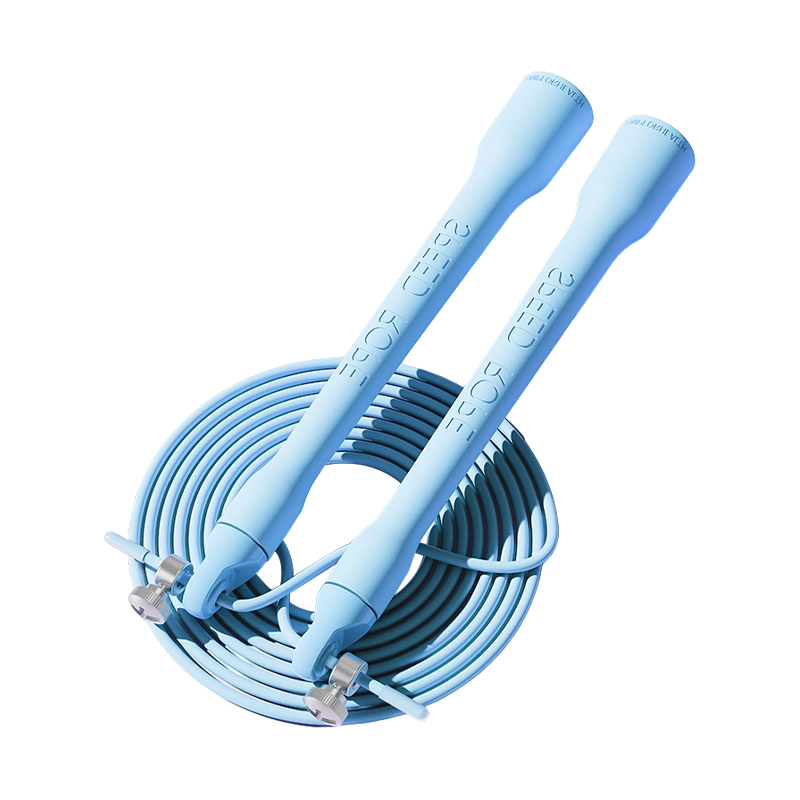
- Skipping inconsistently, such as only two or three times per month, which prevents the body from adapting and burning fat efficiently.
- Ignoring diet entirely while assuming exercise alone will offset excess calorie intake.
- Using poor jumping form, such as jumping too high or landing flat-footed, which increases joint stress without improving fat burn.
- Expecting visible results within days rather than understanding that meaningful fat loss typically takes several weeks of consistent effort.
- Skipping at the same low intensity every session without progressively increasing duration or adding interval variations.
Warning
Jumping too high or landing flat-footed places unnecessary stress on the knees and ankles. Prioritize small, quiet, controlled hops over height or speed.
Realistic Timeline and Final Takeaway
Most people who combine regular skipping rope sessions with dietary awareness begin noticing changes in waist circumference and overall body composition within 6 to 10 weeks, though this varies based on starting body fat percentage, consistency, and genetics. It is worth noting that visible abdominal definition also depends on overall body fat percentage dropping to a low enough level, generally below 20 percent for men and 25 percent for women, before ab muscles become visible beneath the skin.
Danger
Beware of any program promising targeted belly fat loss in days. No exercise, including skipping rope, can override the body's systemic fat-burning order.
In summary, skipping rope is an excellent, efficient, and accessible cardiovascular exercise that meaningfully contributes to belly fat loss, but it works best as part of a broader strategy that includes strength training, dietary management, and consistency. Rather than viewing it as a magic solution, approach skipping rope as a high-value component of a sustainable fat loss lifestyle.