

 English
 Español
 عربى
عربىThe company adhering to the "customer first and forge ahead" business philosophy, adhere to provide our customers with quality service.
How long should you jump rope for a good workout?
Conditioning & Recovery — Field Notes
How Long Should You Jump Rope
for a Workout That Actually Works?
A rope, a floor, and a handful of minutes. That is the entire equipment list — yet almost everyone gets the timing wrong. Here is the duration that separates a real skipping rope workout from ten minutes of wasted motion.
The Short Answer
For most people, 10 to 20 minutes of jumping rope, broken into short intervals, is enough to deliver a genuinely effective workout. If you are just starting out, aim for 5 to 10 minutes total, split into 30-second to 1-minute bursts with rest in between. As your conditioning improves, you can build toward continuous sessions of 15 to 20 minutes, or interval-based sessions that push total jump time closer to 25 minutes. A well-structured skipping rope workout beginner routine does not need to be long to be effective — consistency and pacing matter far more than raw duration.
Jumping rope is a high-intensity, full-body activity that raises your heart rate quickly, so a little goes a long way. Ten minutes of continuous jumping can produce cardiovascular effects comparable to thirty minutes of jogging, because the movement engages the calves, shoulders, core, and coordination all at once. That is precisely why a skipping rope workout is so often recommended as a time-efficient alternative to longer cardio sessions.
Why Duration Depends on Your Fitness Level
Not everyone should jump rope for the same amount of time. Fitness level, coordination, and goal all shape how long a session should last. Someone who has never used a rope before will fatigue far faster than someone who has trained for months — and pushing too hard, too soon, tends to end in shin discomfort, collapsing form, or early burnout rather than progress.
Beginners
If you are new to skipping, the goal is timing, not calorie burn. A skipping rope workout beginner plan typically starts with short 30-second sets, repeated eight to ten times, with 30 to 45 seconds of rest between sets. Total jumping time lands around 5 to 8 minutes, which is enough for the calves and forearms to adapt to an unfamiliar pattern without breaking down.
Intermediate and Advanced
Once you can jump continuously for two to three minutes without tripping, extend sessions to 15 to 20 minutes using interval formats — one minute of jumping, thirty seconds of rest, repeated for several rounds. Advanced athletes, including boxers who use rope skipping as conditioning, sometimes jump continuously for 20 to 30 minutes as a standalone cardio session.
Duration at a Glance
Beginner
5–10 min
Intermediate
10–15 min
Advanced
20–30 min
| Level | Session Length | Work-to-Rest Ratio | Sessions / Week |
|---|---|---|---|
| Beginner | 5–10 minutes | 30 sec jump / 30–45 sec rest | 3 |
| Intermediate | 10–15 minutes | 1 min jump / 30 sec rest | 3–4 |
| Advanced | 20–30 minutes | 2–3 min jump / 30–60 sec rest | 4–5 |
How Duration Relates to Your Goals
The right length also depends on what you are training for. Duration is not one-size-fits-all — it should be matched to the outcome you actually want.
- Fat loss — 15 to 20 minutes of interval-style jumping, four to five times a week, paired with a calorie-conscious diet, tends to work best.
- Cardiovascular endurance — gradually building toward 20 continuous minutes improves heart and lung capacity over six to eight weeks.
- Coordination and warm-up — just three to five minutes before strength training or sport practice is enough to raise body temperature and sharpen footwork.
- Athletic conditioning — short, intense rounds of one to three minutes at high speed, repeated eight to ten times, build explosive power and stamina.
A well-calibrated skipping rope workout should leave you challenged but able to hold a conversation shortly after finishing — not gasping for air, and not unable to walk comfortably the next day.
A Sample Beginner Routine You Can Follow
Looking for a skipping rope workout beginner structure to try this week? Here is a simple progression that takes about ten minutes including warm-up and cool-down.
- Warm up with two minutes of light bodyweight movement — marching in place, arm circles.
- Jump for 30 seconds at a comfortable, steady pace.
- Rest for 30 to 45 seconds, walking in place to keep the heart rate active.
- Repeat the jump-and-rest cycle six to eight times.
- Cool down with two minutes of stretching, focusing on the calves and shoulders.
This keeps total jump time around 4 to 6 minutes while the session itself runs roughly ten minutes — a realistic, sustainable starting point for most new exercisers.
skipping rope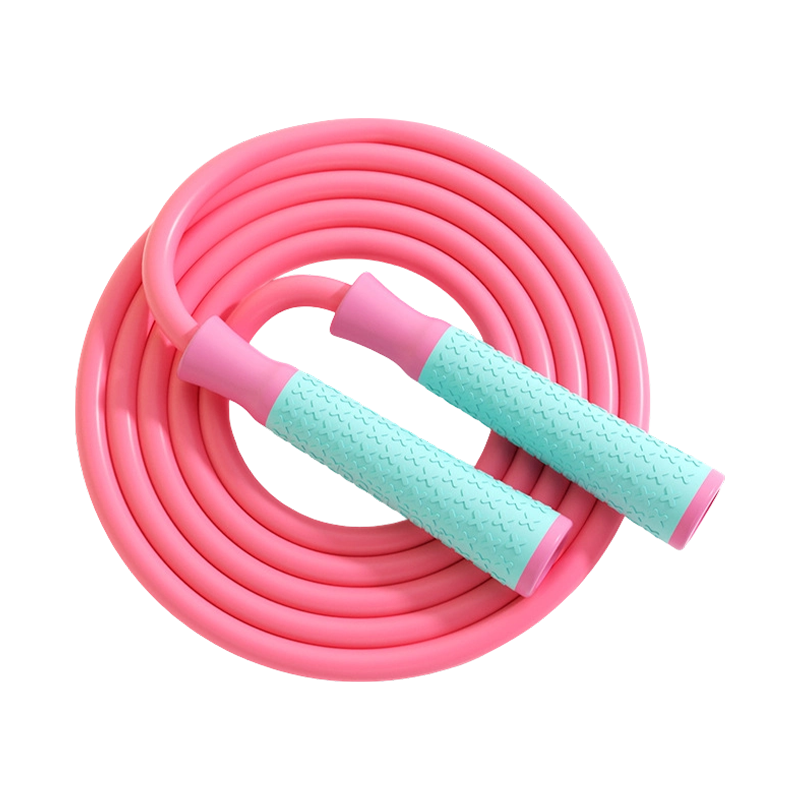
Signs You Should Shorten or Extend Your Session
Duration should flex with how your body responds, not stay fixed on paper.
Shorten the session if…
You notice sharp shin or ankle pain, a rapid decline in jump form, or breathing that becomes uncomfortably labored within the first few minutes. These are signs your body needs more recovery between sessions, not more minutes inside one.
Extend the session if…
You finish your planned time with real energy left and your heart rate barely rose. Add two to five minutes, or shorten your rest intervals, and reassess next week.
A simple check
Track resting heart rate and how you feel 24 hours later. That gap tells you more about the right duration than the clock does.
Common Mistakes That Affect Workout Length
Several habits make sessions feel longer or shorter than they should, often without you realizing it.
- Jumping too high off the ground wastes energy and shortens how long you can sustain the movement.
- Using a rope of the wrong length forces extra arm movement, tiring you out faster than necessary.
- Skipping the warm-up causes early fatigue and can force a session to end early.
- Training on hard concrete increases joint stress, which may limit how long you can comfortably continue.
Watch for this
Persistent shin pain that doesn't ease after a rest day is not a duration problem — it's a signal to check your surface, footwear, and form before adding a single extra minute.
Correcting these details often lets you jump longer with less fatigue, making a skipping rope workout more efficient without needing to add extra minutes at all.
Building Duration Over Time
Progression should be gradual. A safe, common approach is to increase total jumping time by roughly 10 to 15 percent per week, rather than jumping from 5 minutes to 20 minutes in a single week. Start with 6 minutes of total jump time in week one, aim for about 7 minutes in week two, then 8 minutes in week three. This steady build reduces the risk of overuse injuries in the calves and Achilles tendon while still producing measurable progress within a month or two.
By the end of six to eight weeks, many beginners can comfortably complete 15 to 20 minute sessions that once felt impossible — proof that the right starting duration, combined with steady progression, matters more than pushing for a long workout on day one.
In Short
There is no universal number, but there is a reliable range. Beginners do well with 5 to 10 minutes of broken-up jumping; intermediate exercisers grow into 10 to 15 minute interval sessions; advanced athletes can sustain 20 to 30 minutes. What matters more than any single figure is the trajectory — start short, protect your form, and let duration grow in step with your conditioning rather than ahead of it.
Related Product
-

TS-1 PVC Rope Sponge Handle Jump Rope For Children
-
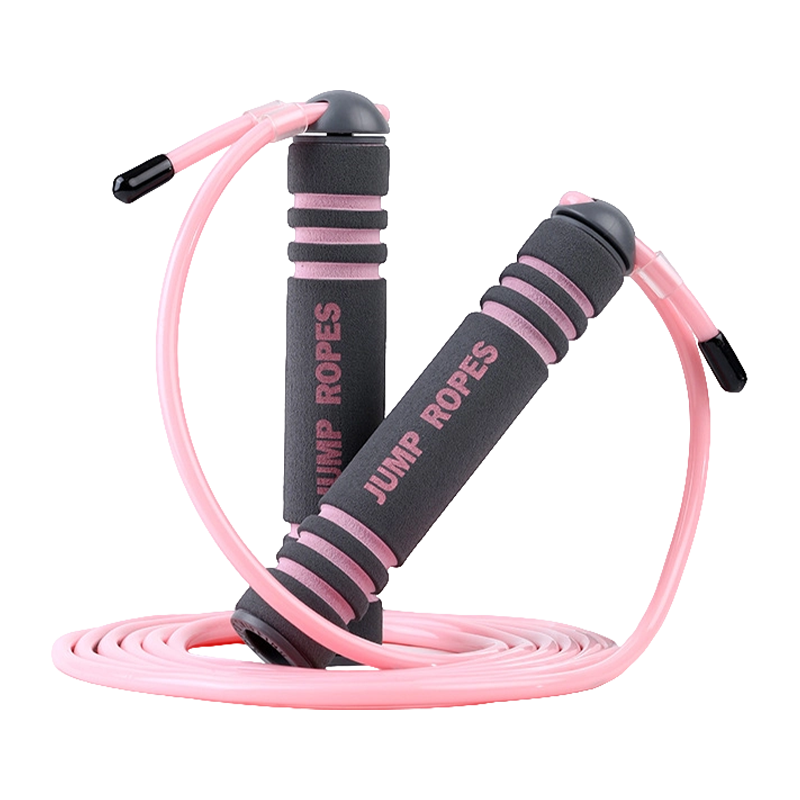
S-17 Sponge Handle Jump Rope For Children
-

TS-2 5 Slots Sponge Handle Jump Rope For Adults
-
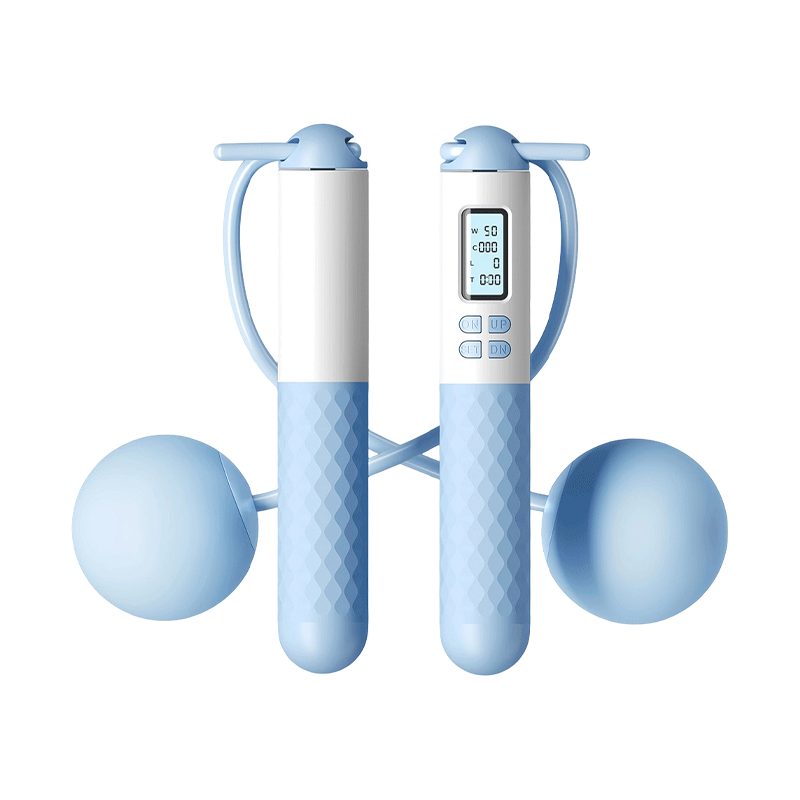
TS-7 ABS Handle Electronic Counting Jump Rope
-
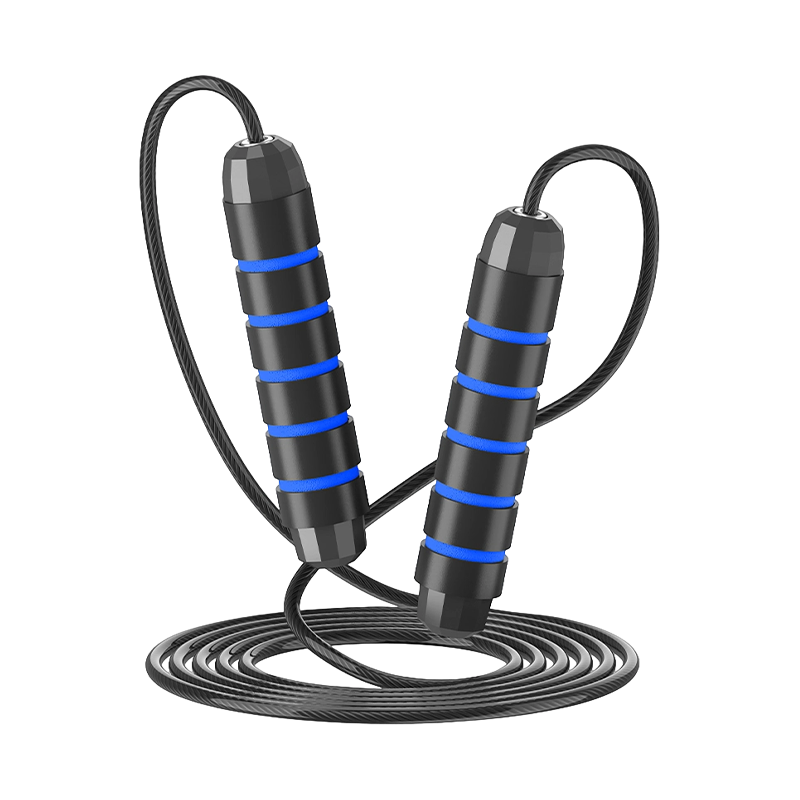
TS-3 Five-Slot Smooth Sponge Handle Jump Rope For Adults
-
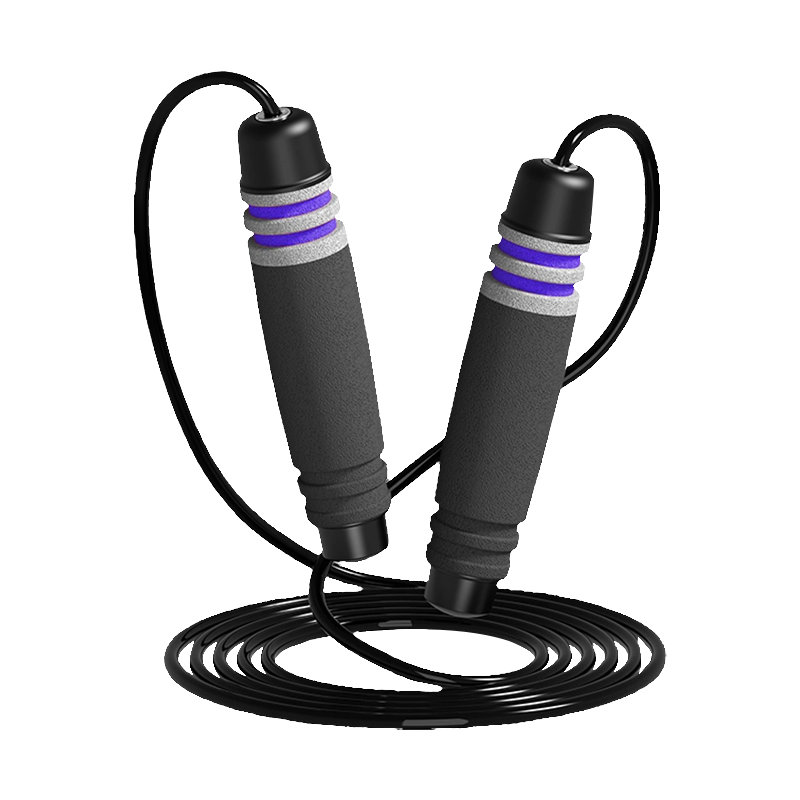
TS-3 Single Head Color/7 Groove Drum Shape Sponge Handle Jump Rope For Adults
News
-
Introduction to Racing Jump Ropes The humble jump rope, once a staple of playground nostalgia and simple cardiovascular warm-ups, has undergone a radical transformation in the mode...
READ MORE -
Discover the Power of Racing Jump Ropes Racing Jump Ropes: Defining the Speed Tool Racing Jump Ropes, often referred to as Speed Ropes, are high-performance fitness tools specifica...
READ MORE -
Introduction Jump rope workouts have long been a staple in fitness routines due to their simplicity and effectiveness. However, with the advent of technology, counting jump ropes h...
READ MORE -
Understanding the Benefits of Rubber Handle Jump Rope for Different Fitness Levels Jump rope is a simple yet highly effective fitness tool that has been gaining popularity in both ...
READ MORE

Contact Us
-

No. 215, Lane 4, Qiaotou Road, Qiaotou Town, Cixi City, Ningbo, Zhejiang Province, China.
-

+86-13867815229
-

Copyright © Cixi Lingdong Electronic Technology Co., Ltd. ALL rights reserved

UP