

 English
 Español
 عربى
عربىThe company adhering to the "customer first and forge ahead" business philosophy, adhere to provide our customers with quality service.
What is the optimal rope length for the Sponge Handle Jump Rope, and can it be adjusted to accommodate different user heights?
Determining Optimal Rope Length
- The optimal rope length for a Sponge Handle Jump Rope is a critical factor in ensuring both training efficiency and user safety. Rope length directly affects the rope’s rotation speed, control, and the m. The standard method for measuring rope length involves standing on the midpoint of the rope with both feet and holding the handles upright.user’s jumping rhyth When the rope is properly sized, the ends of the handles should reach just below the armpits. This length allows sufficient clearance for the rope to rotate freely over the head and under the feet without excessive slack or tension. If the rope is too long, it may drag on the ground, slow down rotation, and increase the likelihood of tripping or misstepping. Conversely, a rope that is too short forces the user into tighter rotations, increasing wrist, shoulder, and elbow strain while reducing jumping efficiency. Proper rope length ensures smooth, consistent rotations and supports correct posture and form during jumping exercises.
Adjustability for Different User Heights
Sponge Handle Jump Ropes are often designed with adjustable ropes to accommodate users of varying heights, body proportions, and skill levels. Adjustment mechanisms vary by model and may include removable end caps, locking clips, or screw-type mechanisms that allow the rope to be shortened or lengthened without compromising the stability or integrity of the handles. This adjustability is particularly important in settings such as gyms, fitness classes, or households where multiple users share the same jump rope. By enabling precise length adjustment, the rope can be tailored to each user, ensuring that the handles remain at an ergonomic height and the rope provides adequate clearance from the feet. Adjustable ropes also allow users to gradually modify the length for advanced techniques, such as double-unders or high-speed skipping, enhancing versatility and long-term usability.
Benefits of Proper Rope Length
Using a rope of optimal length provides numerous performance, safety, and training benefits. Correctly sized ropes enable smooth and consistent rotations, which is essential for maintaining rhythm during cardio, agility, or coordination-focused workouts. Proper rope length also promotes ergonomic form, reducing unnecessary strain on the wrists, elbows, shoulders, and lower back. This prevents repetitive strain injuries and allows users to perform longer workouts with greater comfort. Additionally, a properly adjusted rope improves the efficiency of jumps by reducing the amount of energy needed to rotate the rope, helping to maximize cardiovascular endurance, agility, coordination, and overall athletic performance. For advanced exercises, such as high-intensity interval training or double-unders, maintaining the correct rope length ensures faster rotation without sacrificing control or safety.
Considerations for Personal Adjustment
When adjusting the rope, it is important to ensure that the handle-to-rope connection remains secure and that any excess rope is properly managed to prevent interference during use. For beginners, slightly longer rope lengths are often recommended to provide a forgiving swing and reduce the risk of tripping. More advanced users may prefer slightly shorter ropes to allow faster rotations and higher jump frequencies, which are useful for speed and agility training. The adjustability of the Sponge Handle Jump Rope therefore allows it to be customized for individual training needs, body dimensions, and skill levels, ensuring optimal comfort, safety, and performance. This adaptability makes the rope suitable for a wide range of users, from children and beginners to experienced athletes, and for diverse training goals, including cardio fitness, weight loss, or professional athletic development.
Related Product
-
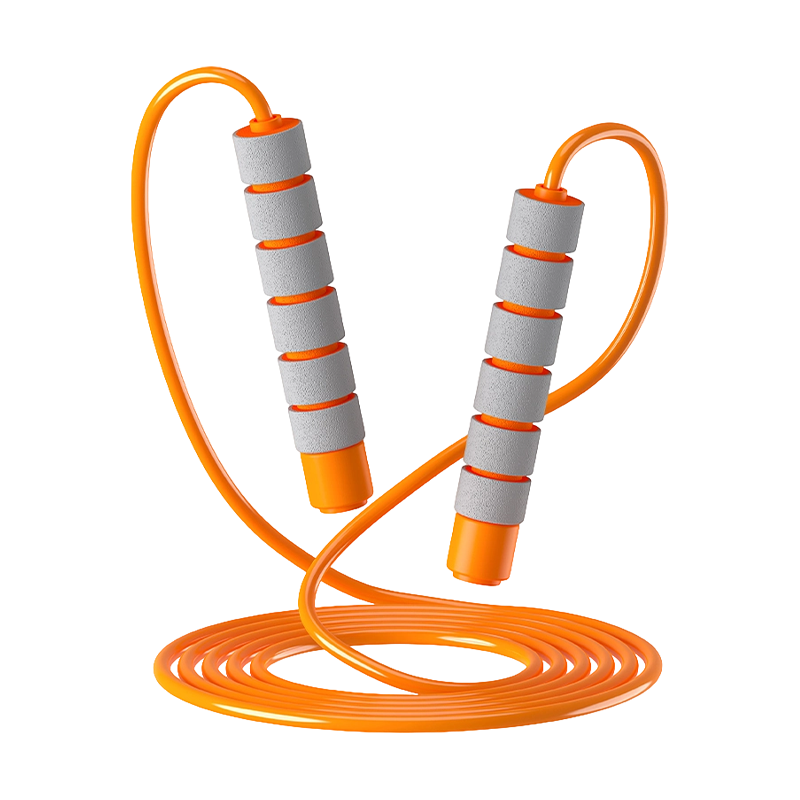
TS-1 PVC Rope Sponge Handle Jump Rope For Children
-
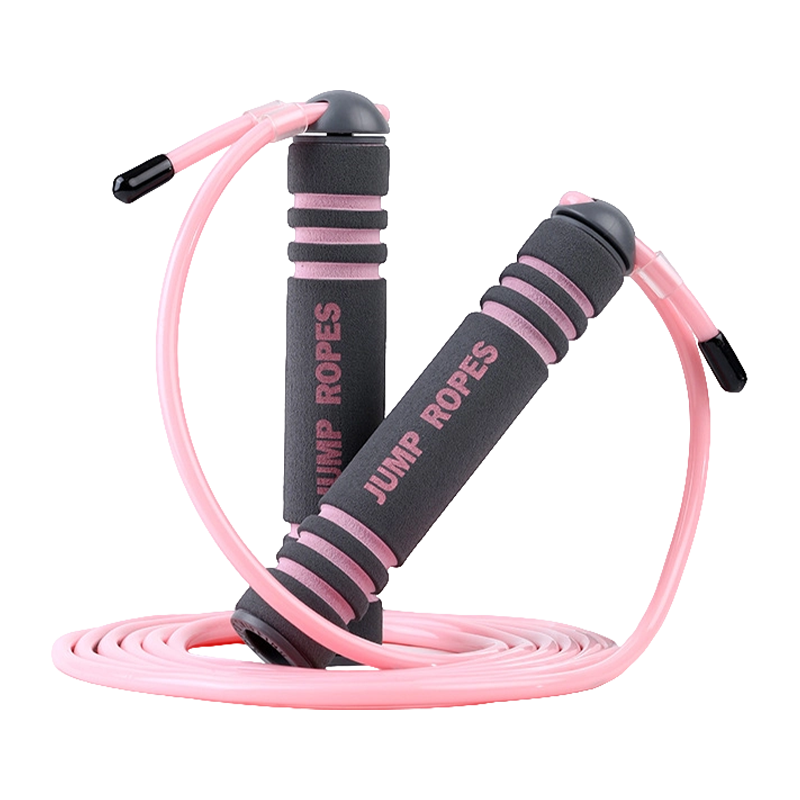
S-17 Sponge Handle Jump Rope For Children
-
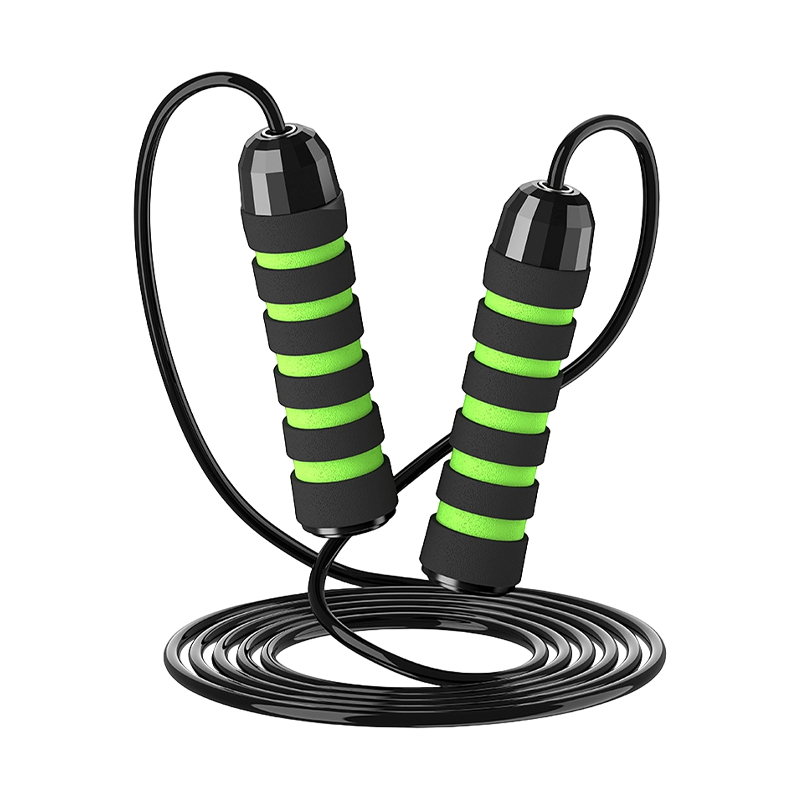
TS-2 5 Slots Sponge Handle Jump Rope For Adults
-
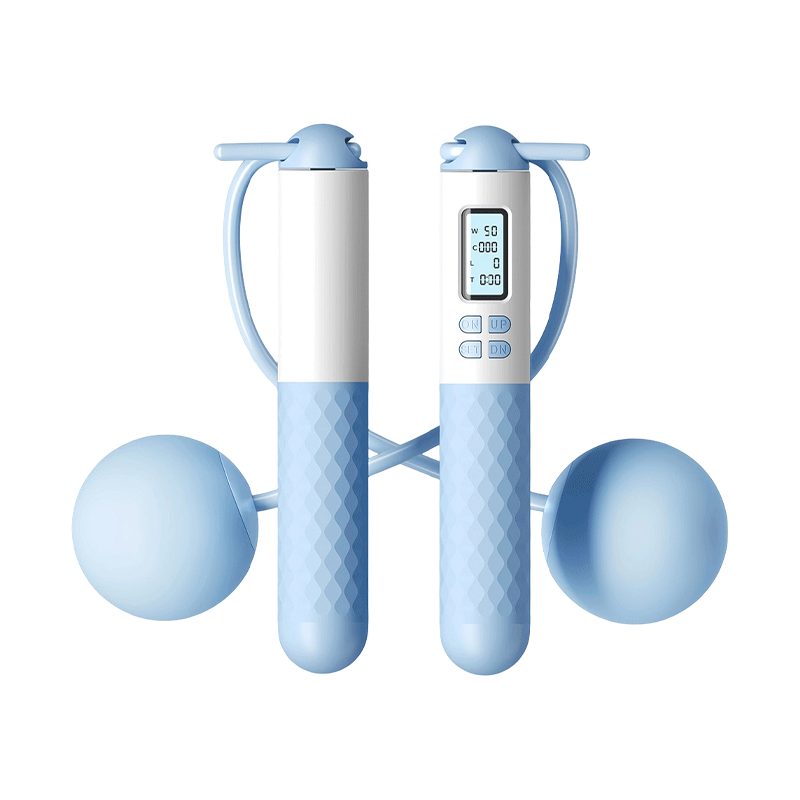
TS-7 ABS Handle Electronic Counting Jump Rope
-
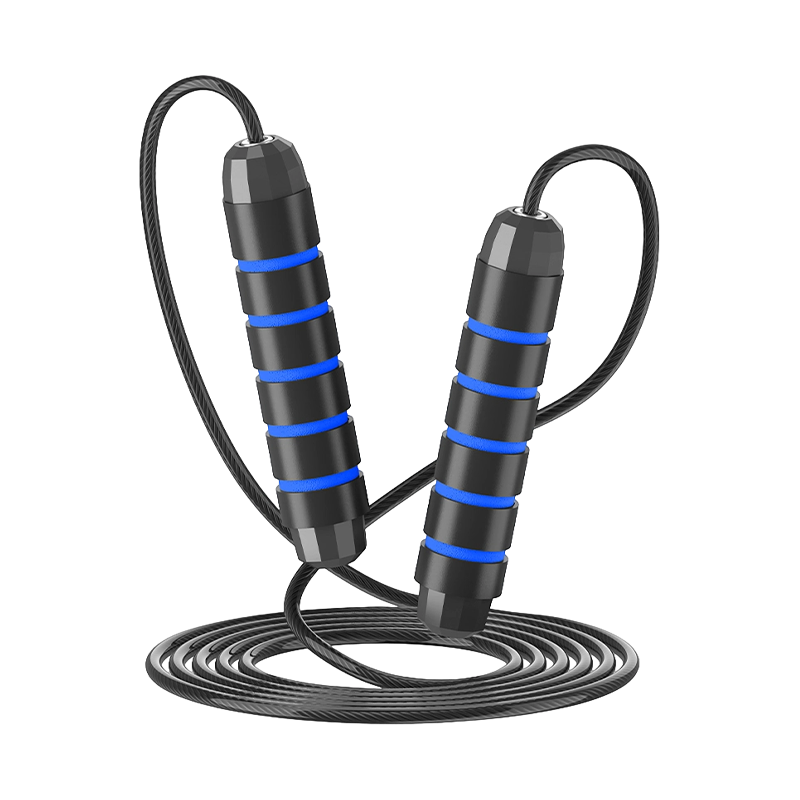
TS-3 Five-Slot Smooth Sponge Handle Jump Rope For Adults
-
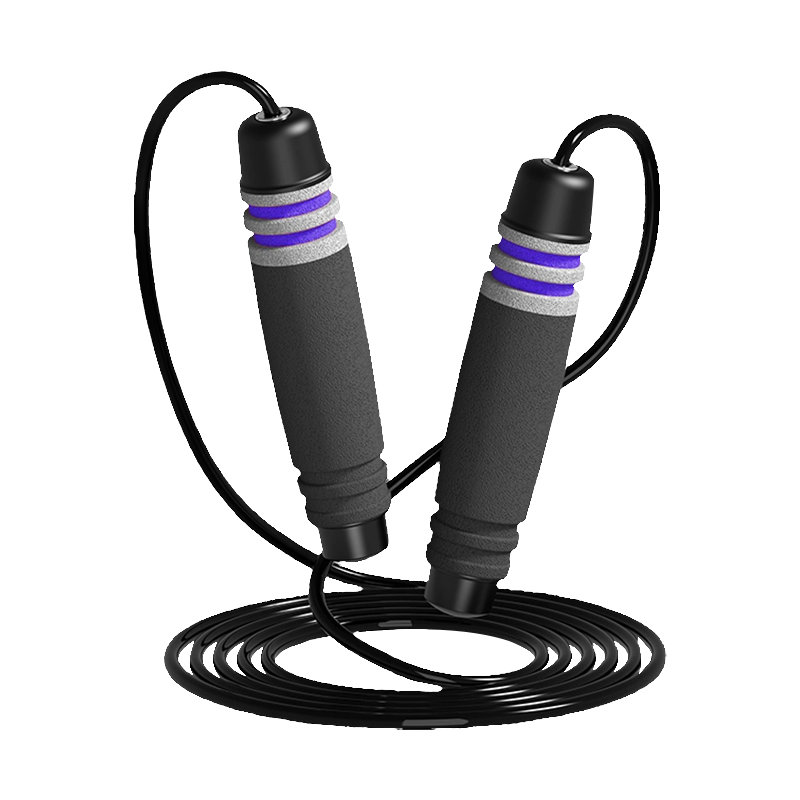
TS-3 Single Head Color/7 Groove Drum Shape Sponge Handle Jump Rope For Adults
News
-
Introduction to Racing Jump Ropes The humble jump rope, once a staple of playground nostalgia and simple cardiovascular warm-ups, has undergone a radical transformation in the mode...
READ MORE -
Discover the Power of Racing Jump Ropes Racing Jump Ropes: Defining the Speed Tool Racing Jump Ropes, often referred to as Speed Ropes, are high-performance fitness tools specifica...
READ MORE -
Introduction Jump rope workouts have long been a staple in fitness routines due to their simplicity and effectiveness. However, with the advent of technology, counting jump ropes h...
READ MORE -
Understanding the Benefits of Rubber Handle Jump Rope for Different Fitness Levels Jump rope is a simple yet highly effective fitness tool that has been gaining popularity in both ...
READ MORE

Contact Us
-

No. 215, Lane 4, Qiaotou Road, Qiaotou Town, Cixi City, Ningbo, Zhejiang Province, China.
-

+86-13867815229
-

Copyright © Cixi Lingdong Electronic Technology Co., Ltd. ALL rights reserved

UP