

 English
 Español
 عربى
عربىThe company adhering to the "customer first and forge ahead" business philosophy, adhere to provide our customers with quality service.
What are the safety features of the Training Jump Rope, such as impact resistance and tangle-free design, to prevent injury or damage during training sessions?
Impact Resistance and Durability:
The Training Jump Rope is specifically engineered to withstand intense use, especially in high-impact exercises like double unders, HIIT, and agility training. The rope’s construction utilizes high-strength materials such as PVC-coated steel cables, nylon, or durable rubber. These materials are abrasion-resistant, meaning they can endure repeated friction with the ground without wearing down quickly. The cables are typically coated with protective layers like polyurethane or rubber, which not only provide a smooth surface for faster rotations but also help absorb the shock that occurs when the rope strikes the floor, further reducing impact. This durability ensures the rope performs consistently without snapping or fraying, even after extended sessions on hard surfaces. The shock-absorbing nature of the materials also minimizes vibration when the rope hits the ground, ensuring less jarring motion for the user and contributing to smoother, more controlled jumps.
Tangle-Free Design:
One of the most common frustrations when using a jump rope is dealing with knots or tangles that interrupt your workout. To combat this issue, the Training Jump Rope incorporates advanced design features, such as ball bearings or swivel mechanisms at the junction between the handles and the rope. These ball bearings allow the rope to rotate smoothly and independently, reducing friction and preventing it from tangling during fast rotations. A well-designed tangle-free system ensures that the rope remains easy to handle and provides a consistent, fluid motion throughout the workout, which is especially important during exercises requiring rapid or continuous jumping. Many ropes are designed with a flexible, lightweight cable, which resists coiling or twisting even when stored. This not only makes storage more convenient but also minimizes the risk of the rope getting tangled when not in use, enhancing its longevity and usability.
Non-Slip Handles for Improved Grip:
The handles of the Training Jump Rope are designed to provide a secure and comfortable grip, which is crucial for safety during vigorous training sessions. Many jump ropes feature ergonomically designed handles that are textured or padded with materials such as rubber, silicone, or foam. These materials ensure that the handles remain grippy, even in sweaty or high-intensity conditions. A secure grip reduces the likelihood of the rope slipping from the user’s hands, which could lead to loss of control or potential injury. The soft-touch, non-slip handles prevent calluses and hand fatigue, making long sessions more comfortable. Some models may also have anti-slip ridges or grooves to further enhance grip security and ensure the rope stays firmly in hand, even with wet or sweaty palms.
Adjustable Length for Proper Use:
An essential safety feature of the Training Jump Rope is its adjustable length. This feature ensures the rope can be customized to fit the user’s height and jumping technique, which is crucial for both safety and effectiveness. A rope that is too short or too long can cause incorrect rotations, making the user more prone to tripping or stumbling. Most high-quality jump ropes feature a quick-adjustment mechanism—such as screw-on end caps or quick-release clasps—that allows the rope’s length to be easily modified, providing a personalized fit for each user. This adjustability is also beneficial when multiple users with different heights share the same rope. Ensuring the correct length not only prevents tripping hazards but also optimizes jump form, allowing for smoother, more controlled rotations that reduce the risk of injury.
Shock Absorption to Prevent Strain:
The Training Jump Rope incorporates shock-absorbing features to protect the user from strain during high-impact exercises. The handles are often designed with cushioning materials such as foam or rubber, which absorb some of the shock from the repetitive impact of jumping. This helps reduce the force transmitted through the wrists, elbows, and shoulders, especially during fast or continuous jumping sessions. For individuals who are new to jump rope training or those performing long workouts, this reduction in joint strain is essential for preventing overuse injuries, such as tendonitis or wrist sprains. By improving shock absorption, the rope ensures that the user can jump for extended periods with greater comfort and less risk of injury.
Visibility for Outdoor Training:
For users who train outdoors or in dimly lit areas, the Training Jump Rope often includes high-visibility features, such as brightly colored ropes or reflective materials. This ensures the rope is easily seen by the user, even during early morning or late evening workouts. Improved visibility reduces the risk of accidental tripping or colliding with obstacles, especially when training in crowded or poorly lit spaces. Additionally, highly visible jump ropes are easier to locate if misplaced during outdoor sessions, ensuring that the rope does not get lost or damaged in the grass, sand, or other environments.
Related Product
-
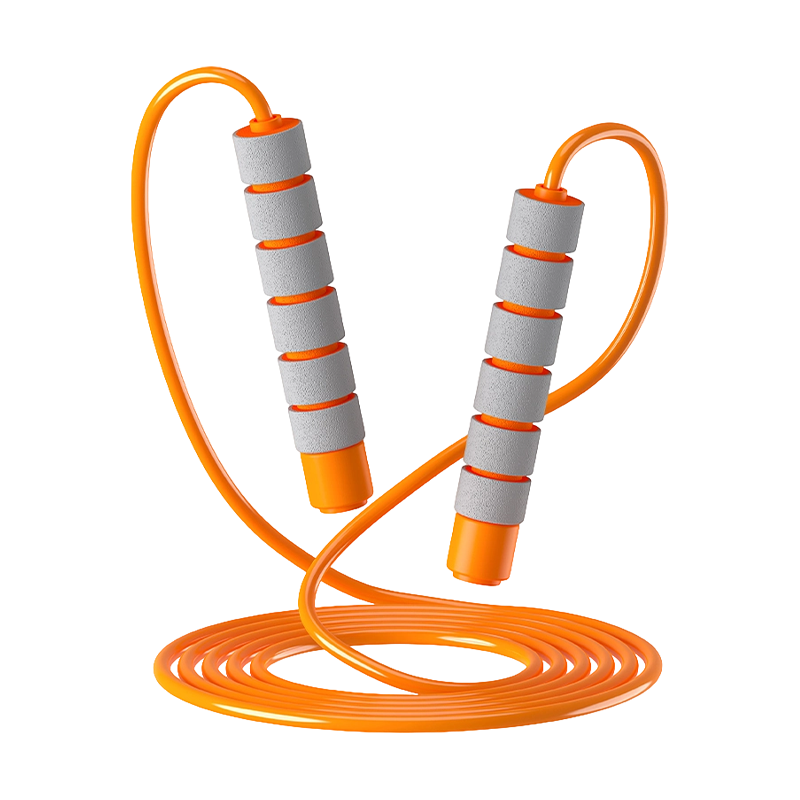
TS-1 PVC Rope Sponge Handle Jump Rope For Children
-
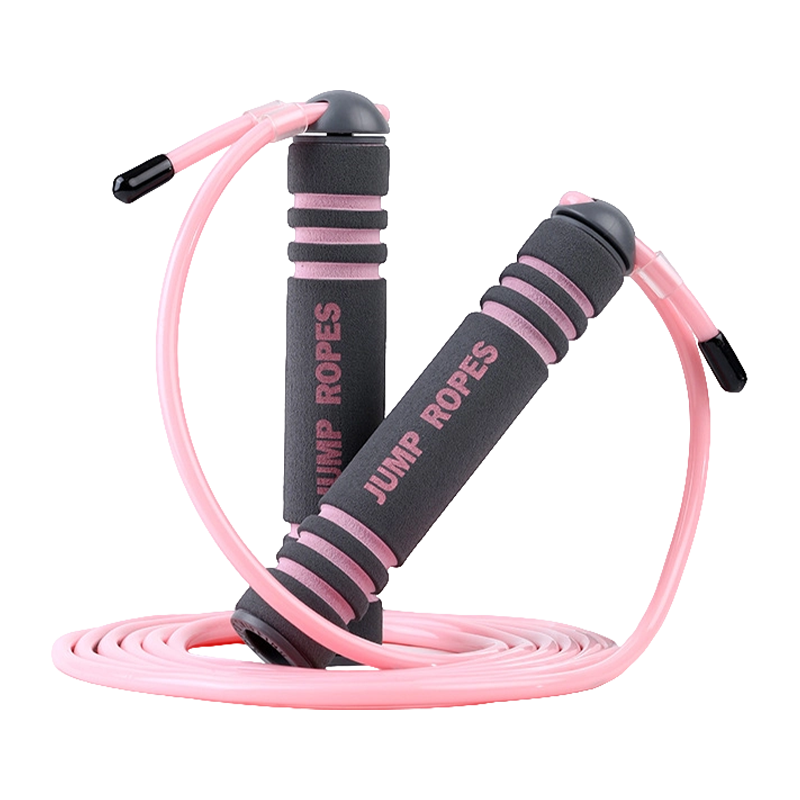
S-17 Sponge Handle Jump Rope For Children
-

TS-2 5 Slots Sponge Handle Jump Rope For Adults
-
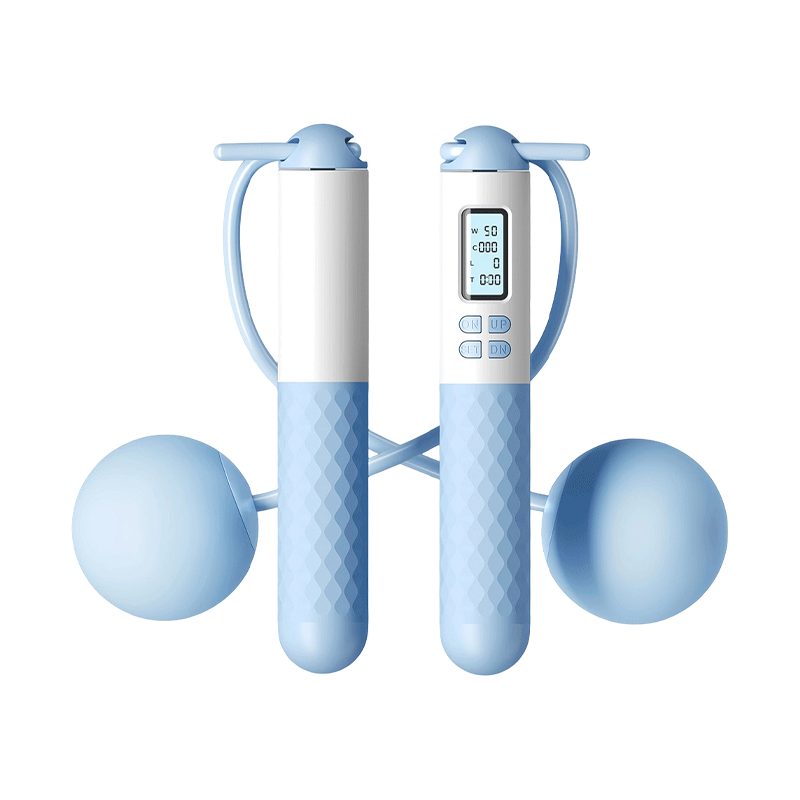
TS-7 ABS Handle Electronic Counting Jump Rope
-
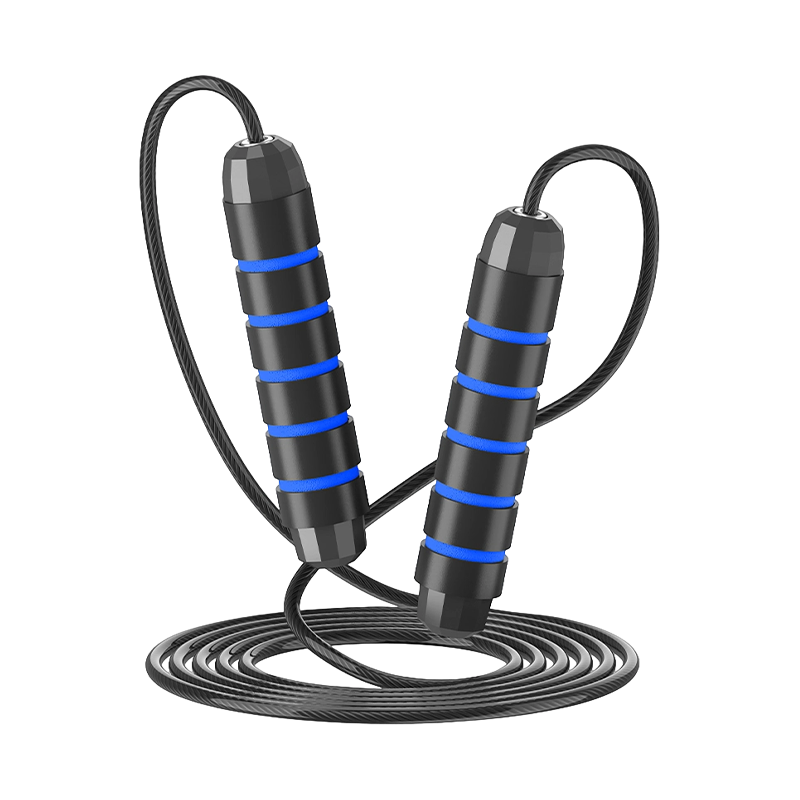
TS-3 Five-Slot Smooth Sponge Handle Jump Rope For Adults
-
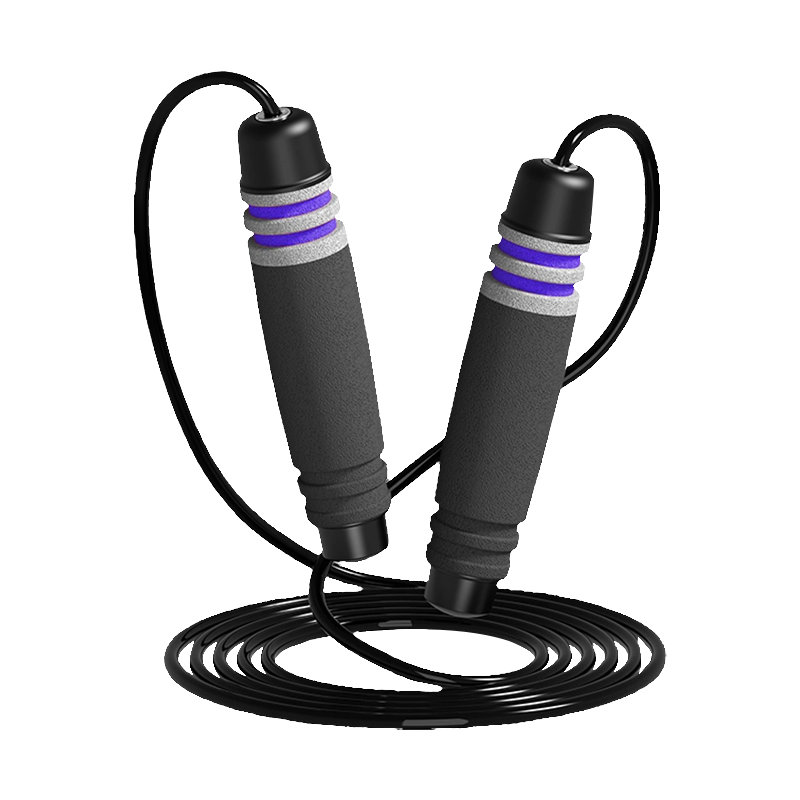
TS-3 Single Head Color/7 Groove Drum Shape Sponge Handle Jump Rope For Adults
News
-
Introduction to Racing Jump Ropes The humble jump rope, once a staple of playground nostalgia and simple cardiovascular warm-ups, has undergone a radical transformation in the mode...
READ MORE -
Discover the Power of Racing Jump Ropes Racing Jump Ropes: Defining the Speed Tool Racing Jump Ropes, often referred to as Speed Ropes, are high-performance fitness tools specifica...
READ MORE -
Introduction Jump rope workouts have long been a staple in fitness routines due to their simplicity and effectiveness. However, with the advent of technology, counting jump ropes h...
READ MORE -
Understanding the Benefits of Rubber Handle Jump Rope for Different Fitness Levels Jump rope is a simple yet highly effective fitness tool that has been gaining popularity in both ...
READ MORE

Contact Us
-

No. 215, Lane 4, Qiaotou Road, Qiaotou Town, Cixi City, Ningbo, Zhejiang Province, China.
-

+86-13867815229
-

Copyright © Cixi Lingdong Electronic Technology Co., Ltd. ALL rights reserved

UP