

 English
 Español
 عربى
عربىThe company adhering to the "customer first and forge ahead" business philosophy, adhere to provide our customers with quality service.
What advantages does a Bamboo Jump Rope have over a weighted fitness rope for full-body conditioning?
The Bamboo Jump Rope offers superior benefits for coordination, speed development, and low-impact full-body conditioning compared to a weighted fitness rope. While weighted ropes emphasize strength and resistance, a bamboo-based rope prioritizes neuromuscular efficiency, rhythm control, and joint-friendly movement. This makes it especially effective for users aiming to improve athletic agility, endurance, and long-duration cardio performance.
In practical training terms, users performing 10–15 minutes of consistent jumping with a Bamboo Jump Rope often experience higher repetition rates (120–160 skips per minute) compared to slower, resistance-heavy weighted ropes (80–110 skips per minute). This increased turnover contributes to better cardiovascular adaptation and smoother skill progression, especially when combined with a light jump rope training approach.
Speed and Coordination Advantages in Training Performance
One of the clearest advantages of a Bamboo Jump Rope is its ability to enhance speed and coordination without excessive resistance. Unlike a weighted fitness rope, which requires greater muscular force per rotation, bamboo construction supports quicker wrist motion and reduced fatigue.
Improved Rhythm Development
Athletes using a light jump rope like bamboo typically achieve stable rhythm control within 3–5 sessions, compared to 6–10 sessions needed with heavier ropes. This faster adaptation is critical for beginners and intermediate users focusing on skill efficiency.
Reduced Timing Errors
Weighted ropes often exaggerate timing mistakes due to inertia. In contrast, a Bamboo Jump Rope minimizes drag, allowing users to correct form errors more quickly and maintain consistent jumping patterns during extended sessions.
Joint Impact and Injury Prevention Benefits
A major advantage of the Bamboo Jump Rope is its lower joint impact compared to weighted fitness ropes. Weighted systems increase downward force per rotation, which can amplify stress on knees, ankles, and wrists during long workouts.
In contrast, bamboo-based ropes distribute load more evenly, making them ideal for users recovering from joint strain or those engaging in daily cardio sessions.
- Lower repetitive impact stress on knee joints
- Reduced wrist torque during rotation cycles
- Better suitability for long-duration aerobic training
Over a 20-minute session, a weighted rope may increase perceived exertion by 15–25%, while a Bamboo Jump Rope maintains a more sustainable cardiovascular load, supporting consistent training volume.
Full-Body Conditioning Efficiency Comparison
Both tools contribute to full-body conditioning, but they do so in different ways. A weighted fitness rope emphasizes muscular endurance, particularly in the shoulders and forearms, while a Bamboo Jump Rope emphasizes cardiovascular efficiency and whole-body coordination.
| Training Factor | Bamboo Jump Rope | Weighted Fitness Rope |
|---|---|---|
| Cardio Efficiency | High sustained heart rate (140–170 BPM) | Moderate elevated heart rate (120–150 BPM) |
| Muscle Load | Moderate, endurance-based | High resistance, strength-focused |
| Skill Learning Curve | Fast (3–5 sessions) | Slower (6–10 sessions) |
Suitability for Different Training Goals
The Bamboo Jump Rope is particularly effective for athletes focused on agility, endurance sports, and high-frequency movement training. It is often integrated into HIIT circuits and warm-up routines because it allows quick transitions between intensity levels.
- Best for endurance and cardio conditioning cycles
- Ideal for coordination and footwork training
- Suitable for long-duration fat-burning sessions
Meanwhile, weighted ropes are better suited for short bursts of strength conditioning rather than sustained aerobic development.
Durability, Maintenance, and Environmental Considerations
A Bamboo Jump Rope typically offers a balanced combination of durability and lightweight structure. While weighted ropes may require more frequent maintenance due to cable stress and coating wear, bamboo-based ropes maintain consistent performance with minimal upkeep.
From a sustainability perspective, bamboo materials provide a more environmentally conscious option compared to synthetic-heavy weighted ropes. This makes them appealing for users prioritizing eco-friendly fitness tools.
Additionally, pairing a Bamboo Jump Rope with a light jump rope training rotation can extend product lifespan while diversifying workout intensity levels.
Related Product
-

TS-1 PVC Rope Sponge Handle Jump Rope For Children
-
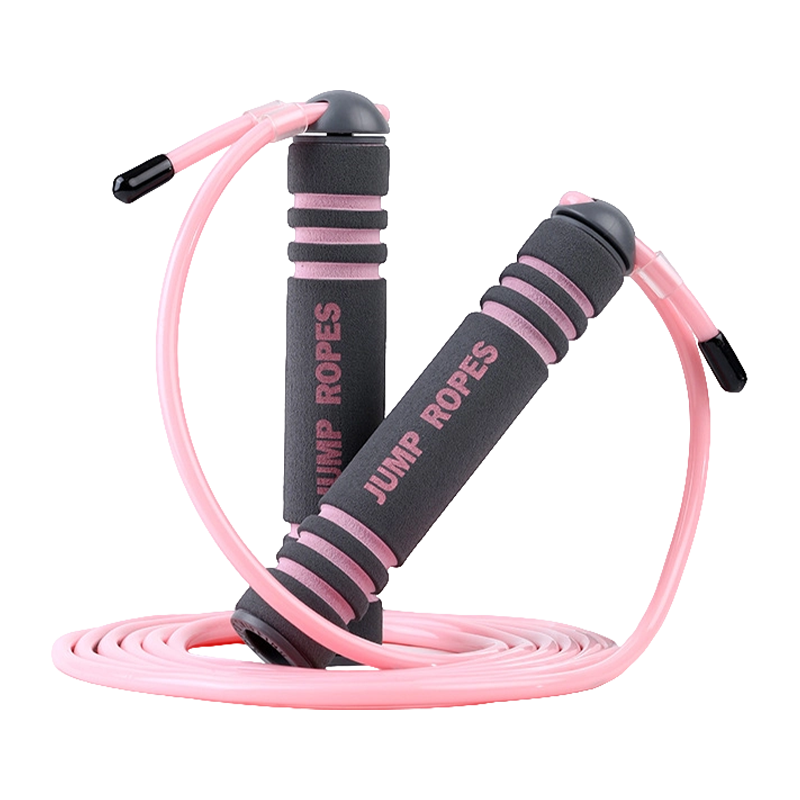
S-17 Sponge Handle Jump Rope For Children
-
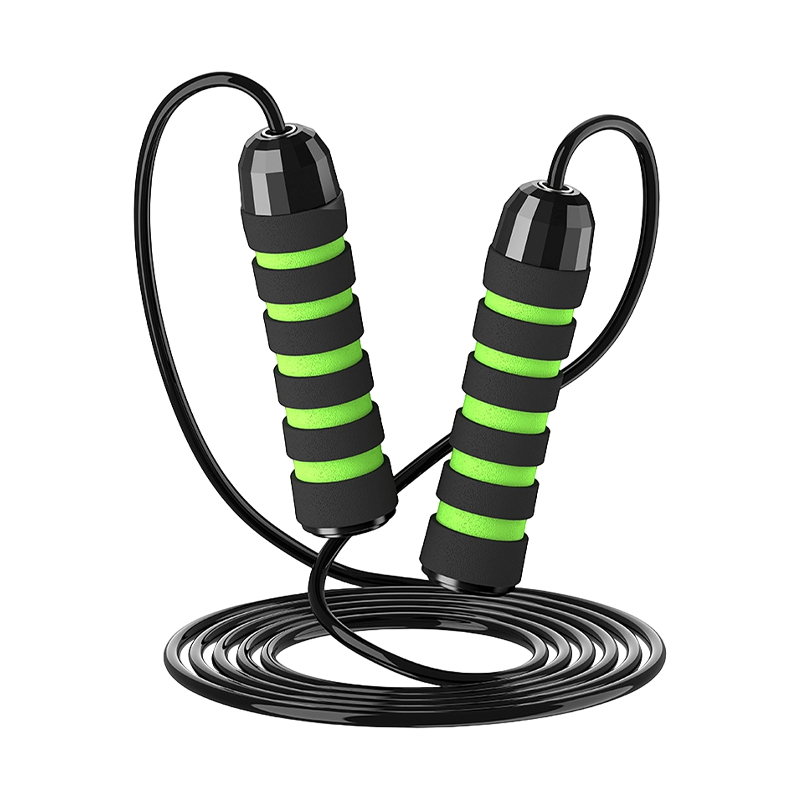
TS-2 5 Slots Sponge Handle Jump Rope For Adults
-
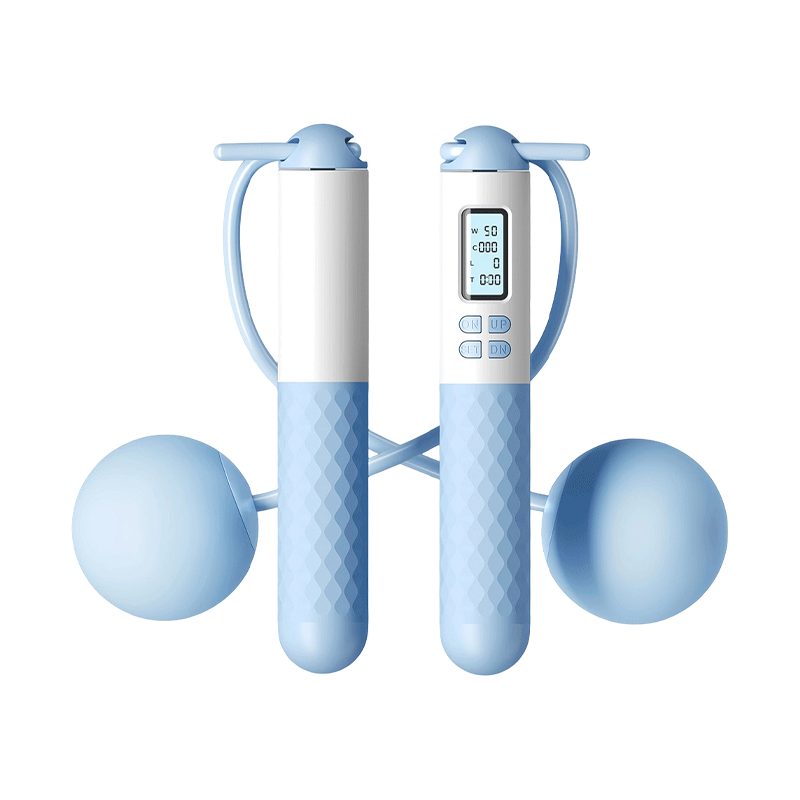
TS-7 ABS Handle Electronic Counting Jump Rope
-
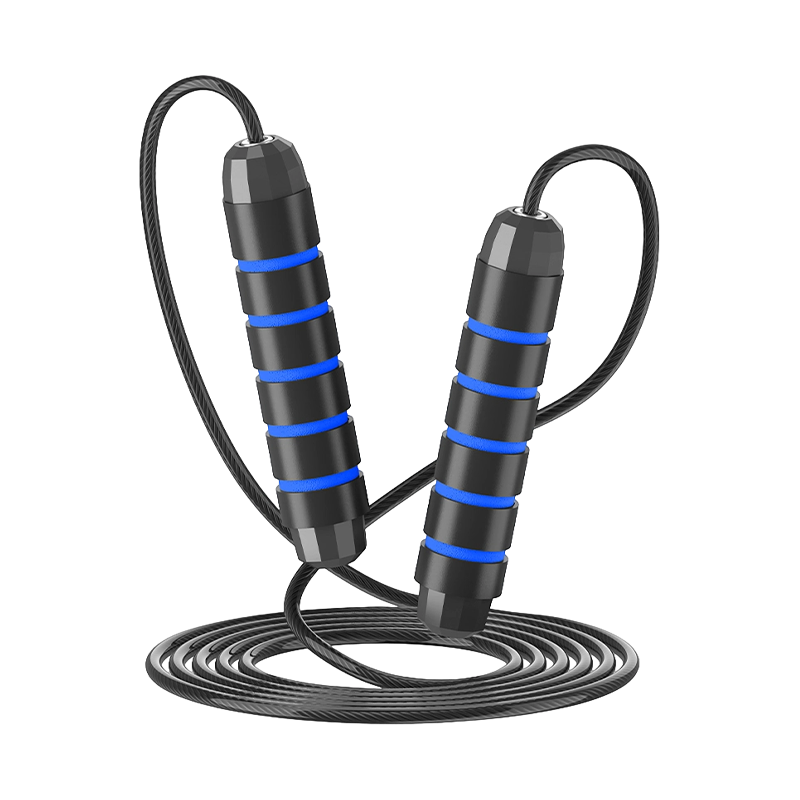
TS-3 Five-Slot Smooth Sponge Handle Jump Rope For Adults
-
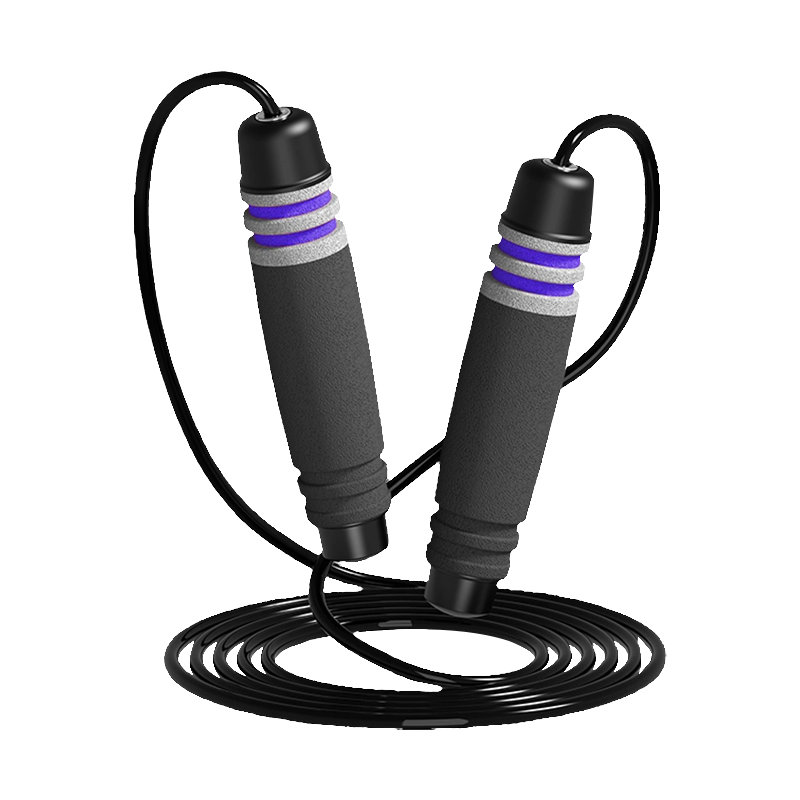
TS-3 Single Head Color/7 Groove Drum Shape Sponge Handle Jump Rope For Adults
News
-
Introduction to Racing Jump Ropes The humble jump rope, once a staple of playground nostalgia and simple cardiovascular warm-ups, has undergone a radical transformation in the mode...
READ MORE -
Discover the Power of Racing Jump Ropes Racing Jump Ropes: Defining the Speed Tool Racing Jump Ropes, often referred to as Speed Ropes, are high-performance fitness tools specifica...
READ MORE -
Introduction Jump rope workouts have long been a staple in fitness routines due to their simplicity and effectiveness. However, with the advent of technology, counting jump ropes h...
READ MORE -
Understanding the Benefits of Rubber Handle Jump Rope for Different Fitness Levels Jump rope is a simple yet highly effective fitness tool that has been gaining popularity in both ...
READ MORE

Contact Us
-

No. 215, Lane 4, Qiaotou Road, Qiaotou Town, Cixi City, Ningbo, Zhejiang Province, China.
-

+86-13867815229
-

Copyright © Cixi Lingdong Electronic Technology Co., Ltd. ALL rights reserved

UP