

 English
 Español
 عربى
The company adhering to the "customer first and forge ahead" business philosophy, adhere to provide our customers with quality service.
Weighted Jump Rope for Boxing: Pick the Right Weight, Grip and Rope Length
Weighted Jump Rope for Boxing: Smarter Weight, Better Rhythm
Boxing is a sport of repeatable effort, and a weighted rope is one of the simplest ways to make your effort repeatable for longer — provided you pick the right one.
We have been building jump ropes in Cixi since 2012, and most of what we know about weighted ropes came from watching people try them out rather than from a design brief. There is a pattern to it. A boxer picks up a rope that is far too heavy, swings it hard for forty seconds, feels the forearms burn, watches the rhythm collapse, and puts the rope back on the shelf with a reputation problem. Then, a month later, the same boxer tries something only slightly heavier than the rope they normally use — and suddenly understands why so many coaches keep a heavy one in the bag.
The difference between those two experiences is rarely fitness. It is usually weight, handle feel, and length. This guide is written for the boxer trying to get those three details right, and for the coach, gym owner or brand buyer who has to stock a shelf of ropes rather than choose just one.
Why a Heavier Rope Belongs in a Boxer's Bag
Boxing asks for an odd combination of qualities. The shoulders rotate thousands of times across a session, the hands must stay relaxed while the arms keep working, and the calves absorb landing after landing without complaint. A weighted rope adds mass to an arc your arms already make. The shoulders never quite get to rest, yet the movement itself stays familiar — nothing about the skill has to be relearned.
It is also quiet, portable and low impact. You can use it in a hotel room, on a concrete floor, or between bag rounds, and it will not leave your knees paying for it the next morning. That combination is hard to find in conditioning tools that also train timing.
A jump rope does not teach you how to punch. It teaches you how to keep working while you are tired — and that is the part of boxing that decides late rounds.
Here is what actually changes once the rope in your hands has some weight behind it:
- Shoulders stay under tension for the full length of a round, which is closer to what holding a guard demands than most gym exercises.
- Wrists and forearms learn to stabilize a moving load rather than simply holding a static one.
- Rhythm becomes something you can hear and count, instead of something you only feel vaguely.
- Calves and feet get repeated landing practice without the pounding of road running.
- Heart rate climbs quickly in short windows, which suits interval work slotted between bag rounds.
What "Weighted" Actually Means
The word covers at least three different products. Weight can sit inside the handles, inside the cord, or in both. Where the mass lives matters more than the number printed on the packaging, because it changes the arc of the rope and the way the rope behaves the moment it slows down.
| Design | Where the weight sits | Feel in the hands | Best use |
|---|---|---|---|
| Weighted handles | Inside the grips | Stable, familiar arc; heavier wrist load | Shoulder endurance, technique work |
| Weighted cord | Thick PVC, PU or steel core | Slower arc, more air resistance, rope stays taut | Continuous rounds, general conditioning |
| Handles plus cord | Both ends and the rope | Heaviest swing, slowest turnover | Short intervals, strength-endurance |
| Beaded segments | Plastic beads along the cord | Segmented, audible feedback, easy to track | Beginners, group classes, younger users |
| Light wire cord | Thin steel core, light handles | Fast, minimal air drag | Speed, double unders, footwork |
Read that table as a starting point rather than a ranking. A rope with weighted handles feels like a familiar rope that got serious, and most boxers adapt within one session. A rope with a heavier cord changes the flight path entirely and takes longer to trust, especially if your timing is still developing.
How Heavy Should You Go?
The honest answer is lighter than most first-time buyers expect. Weighted handles in the range of half a pound to two pounds cover nearly every boxing use case, and the genuinely useful part of that range sits in the middle.
- Around 1/4 to 1/2 lb for the first two weeks, while the shoulders and wrists adapt to the extra mass.
- Around 3/4 to 1 lb as the everyday mainstay — heavy enough to build endurance, light enough to keep the rhythm clean.
- Around 1.5 to 2 lb for intervals of twenty to forty seconds, treated as strength-endurance work rather than as a warm-up.
- Never more than you can turn for sixty to ninety seconds with loose hands. If the grip locks up, the rope is training the wrong thing.
- Keep one light rope in the bag for speed days, so the heavy one stays a tool and not a habit.
A pair beats a single rope. One heavy rope and one light rope will do more for a boxer than one compromise rope used for everything. Alternate them across the week and the contrast does half the coaching for you.
Our weighted fat-burning models were designed around the middle of that window: handle mass you can feel from the very first rotation, but not so much that the rope stops behaving like a rope.
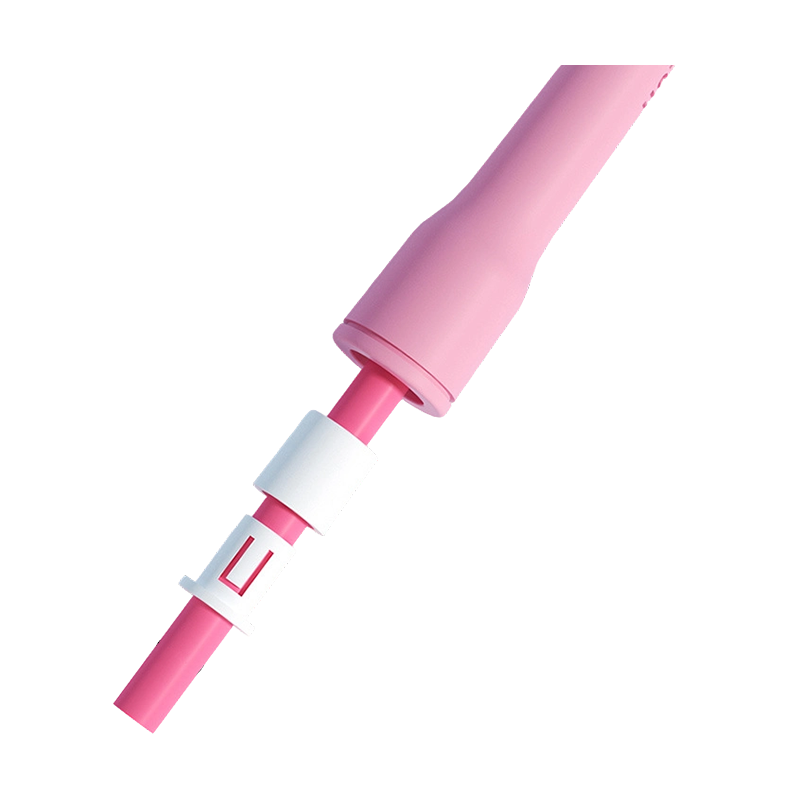 TS-48 Weighted Fat Burning Jump Rope with 25 mm PP HandlesIts 25 mm PP handles match the grip sizes discussed, while adjustable weights and an 8 mm PVC rope suit advanced fat-burning sessions.View Product →
Handles, Grip and Rope Length
Grip is where most weighted ropes are won or lost. Handle diameters in the 20 to 30 mm range suit most hands, rubber grips hold their traction through sweat, and sponge or foam handles feel kinder across long sets but compress as the palm heats up. A boxer who wraps their hands for bag work usually prefers a slightly firmer handle, because the hand is already used to a defined shape.
Aluminum handles give a crisp, consistent feel and pair well with a thin steel cord, which is why they show up so often in speed work. The trade-off is that metal handles become slippery in a hot gym unless the surface has some texture, so check that detail before you commit to a set for a whole class.
Length matters as much as weight. Step on the middle of the cord and the handles should reach roughly chest or armpit height. Adjustable cords — a 5 mm wire cord at 2.8 m with a trimming or screw adjustment — cover most adult heights and travel well between users in a shared gym.
A rope that is 20 cm too long is a rhythm problem, not a strength problem. It drags the floor, forces the arms wide and makes every turn feel clumsy. Shorten the cord first; swing harder only if that fails.
Our upgrade weight-bearing training rope sits in that everyday middle ground: an adjustable cord, a handle you can grow into, and enough mass to make the last thirty seconds of a round interesting.
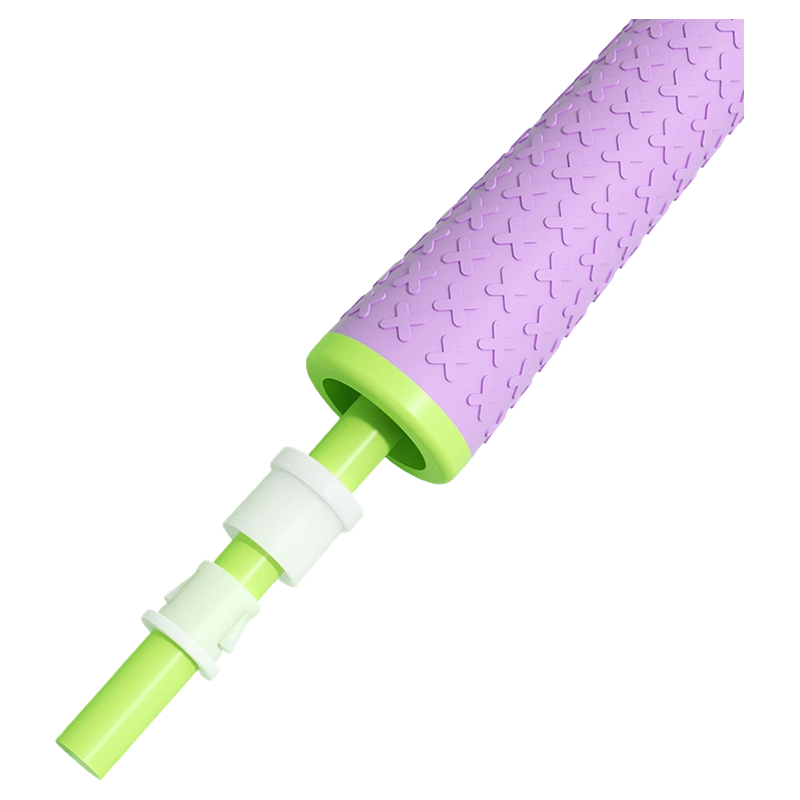 TS-56 Upgrade Weight-Bearing Fat-Burning Jump RopeIts 30 mm grip, adjustable 9 mm PVC rope, and upgradeable weights suit mixed heavy-and-light boxing rounds.View Product →
Footwork, Rhythm and the Speed Rope
A weighted rope builds capacity. A light rope builds cadence. Boxing needs both, and the rotation is easier to program than most people expect: thirty seconds heavy, thirty seconds light, repeated for four to six rounds. The heavy segment teaches the shoulders to keep working; the light segment immediately shows you whether the rhythm survived.
Watch the path of the rope rather than the clock. If the arcs start drifting sideways, the hands are working too hard and the shoulders have taken over the turn. If the rope slaps the floor in front of the feet, the timing is late. Both faults are easier to feel with weight in the handles and easier to fix with a light cord.
If you want to push the speed side further, we wrote a separate walkthrough on racing-rope turnover drills that covers the progression from slow, clean turns to competition pace.
For the speed half of the rotation, a hard aluminum handle with a thin cord keeps the feedback sharp and the turnover honest.
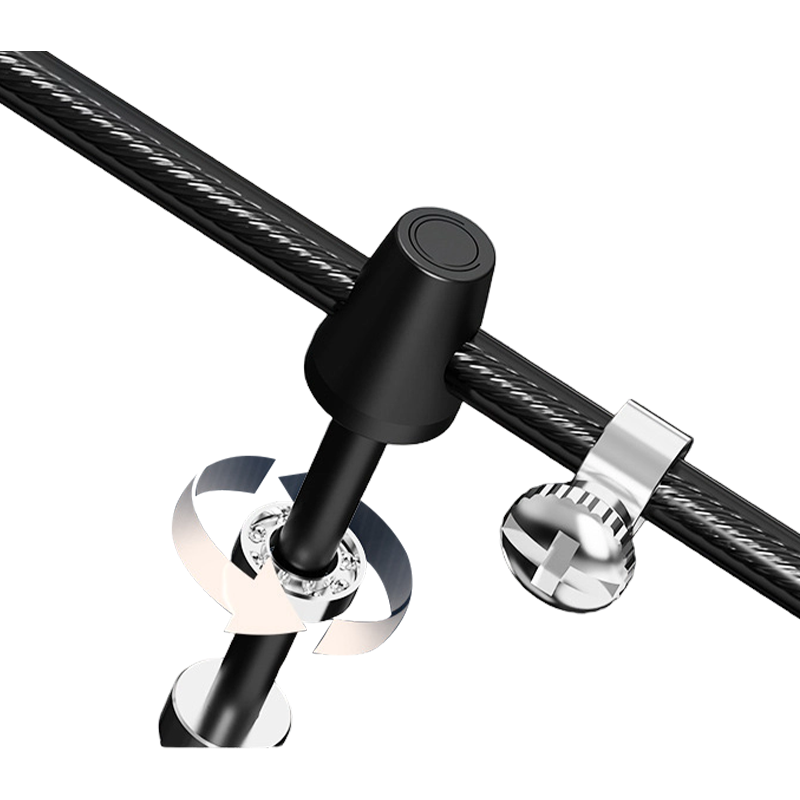 TS-38 Aluminum Handle Professional Racing Jump RopeA hard 20 mm aluminum handle and low-drag steel rope keep speed feedback sharp, while removable 200 g weights add endurance resistance.View Product →
Mistakes We See Most Often
After enough sample rounds and trade-show demos, the same five faults come up again and again. None of them are about talent.
- Starting too heavy, then deciding weighted ropes are a gimmick after one session.
- Death-gripping the handles, which turns a conditioning drill into a forearm cramp.
- Using a rope that is too long, then blaming the rope for a clumsy arc.
- Jumping far higher than the rope requires, which burns the calves for no benefit.
- Chasing speed before the rhythm is stable, then wondering why the shins ache.
Know the difference between fatigue and a warning. Dull, spreading tiredness in the shoulders is the point of the drill. Sharp pain near an elbow or in the front of the shoulder is a signal to drop a weight class and rebuild the base.
For Gyms, Clubs and Brand Buyers
Choosing one rope for yourself is a different job from choosing a few thousand. In volume, weight consistency matters more than any single specification: if a brand sells a one-pound rope, every carton has to feel like a one-pound rope, or the reviews will say otherwise. That consistency is decided at the tooling and assembly stage, not at the packaging stage.
Because mold making, injection molding, assembly and surface printing all happen under one roof here in Cixi, handle mass and grip geometry can be dialed in on the tool itself rather than improvised afterwards. Digital printing and surface treatment then handle the part buyers actually see — logos, colourways, textured grips — with coatings that hold up to sweat and repeated use.
Most of what we build for boxing and fitness buyers comes out of our training jump rope range, and sample rounds usually settle the weight question faster than a specification sheet does. Send a target weight, a handle preference and a cord length, and the rest is a matter of agreeing on a sample before the bulk order.
In Closing
A weighted jump rope is not a harder version of a normal rope. It is a different tool with a narrower job: keeping the shoulders working, the rhythm measurable and the hands relaxed while the clock runs. Choose the placement of the weight first, keep the load in the middle of the range, shorten the cord until the arc is clean, and pair the heavy rope with a light one so each of them stays useful.
Do that, and the rope stops being a warm-up formality and becomes the part of the session that quietly decides how the last round feels.
The short version: start near half a pound, live around three-quarters to one pound, use two pounds only for short intervals, keep the cord short enough to turn cleanly, and never let the grip lock up.
Related Product
-
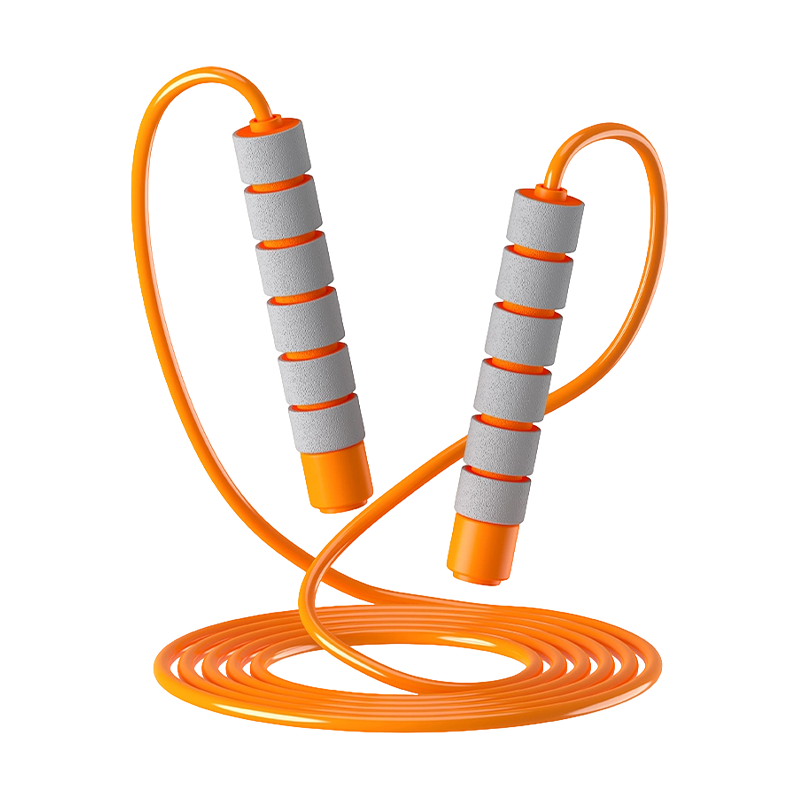
TS-1 PVC Rope Sponge Handle Jump Rope For Children
-
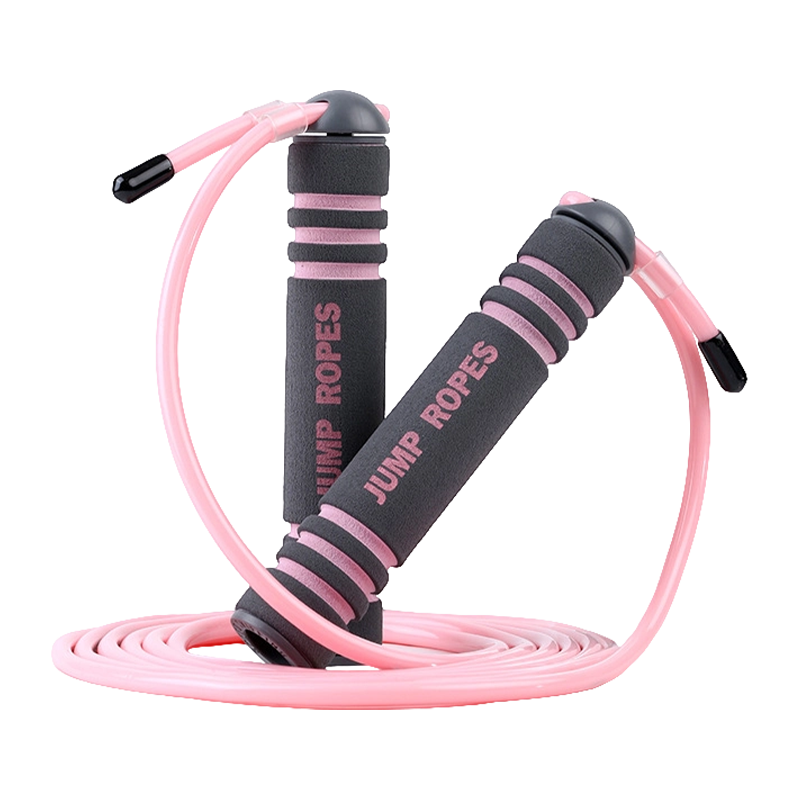
S-17 Sponge Handle Jump Rope For Children
-
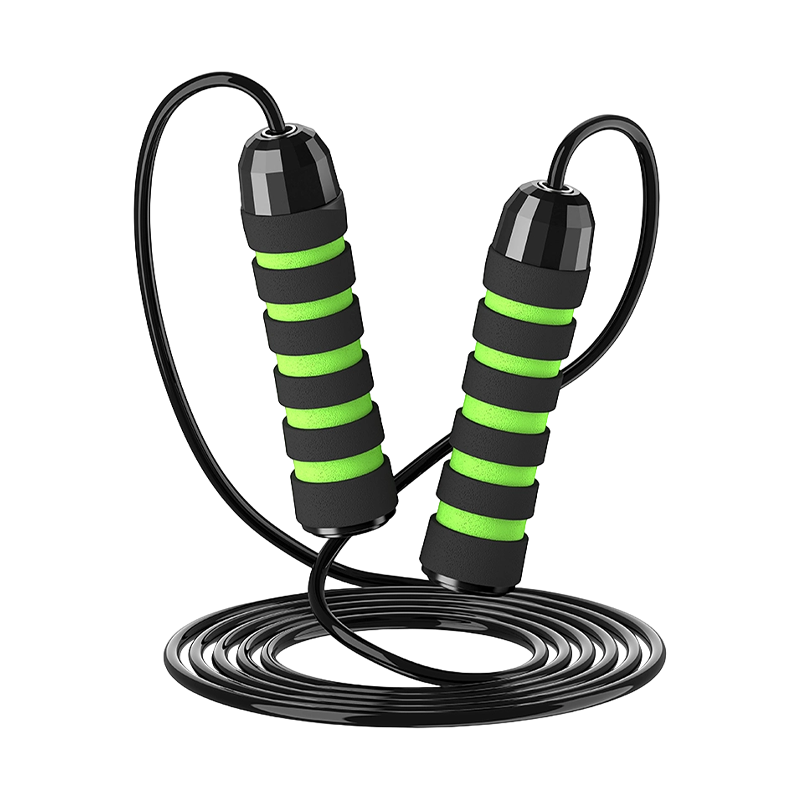
TS-2 5 Slots Sponge Handle Jump Rope For Adults
-
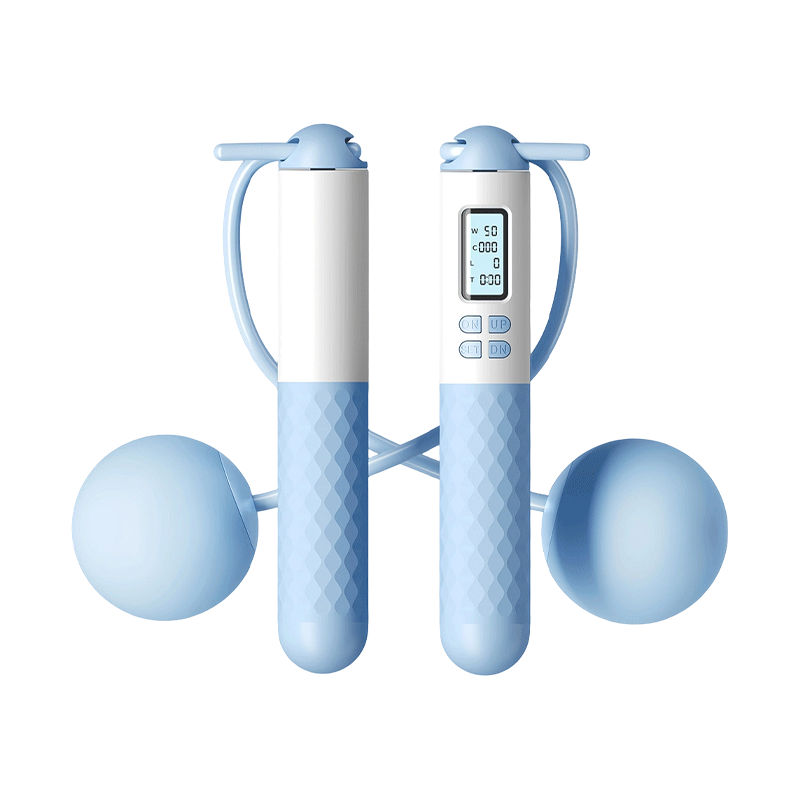
TS-7 ABS Handle Electronic Counting Jump Rope
-
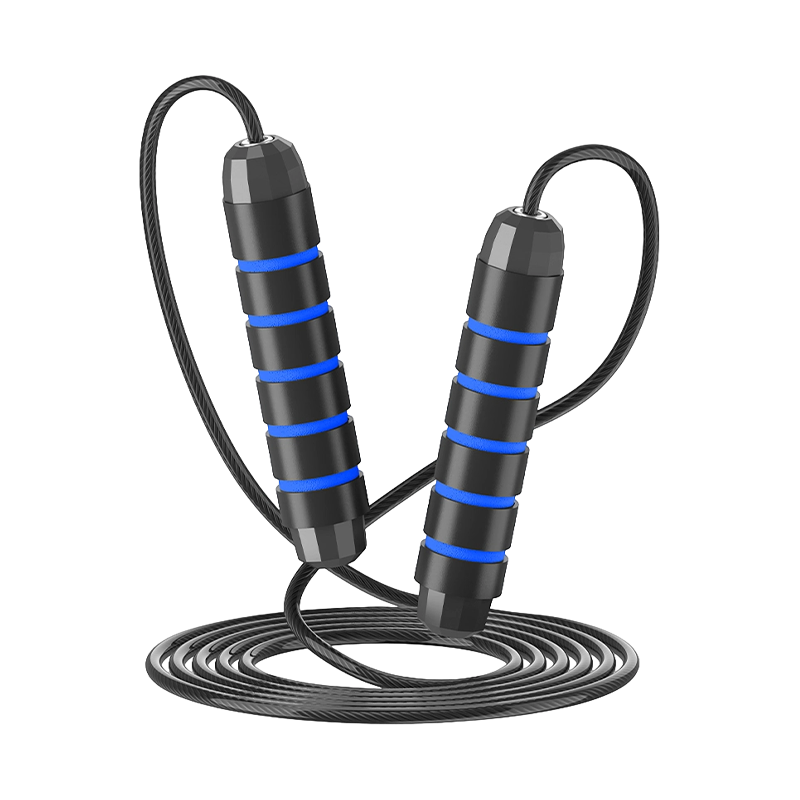
TS-3 Five-Slot Smooth Sponge Handle Jump Rope For Adults
-
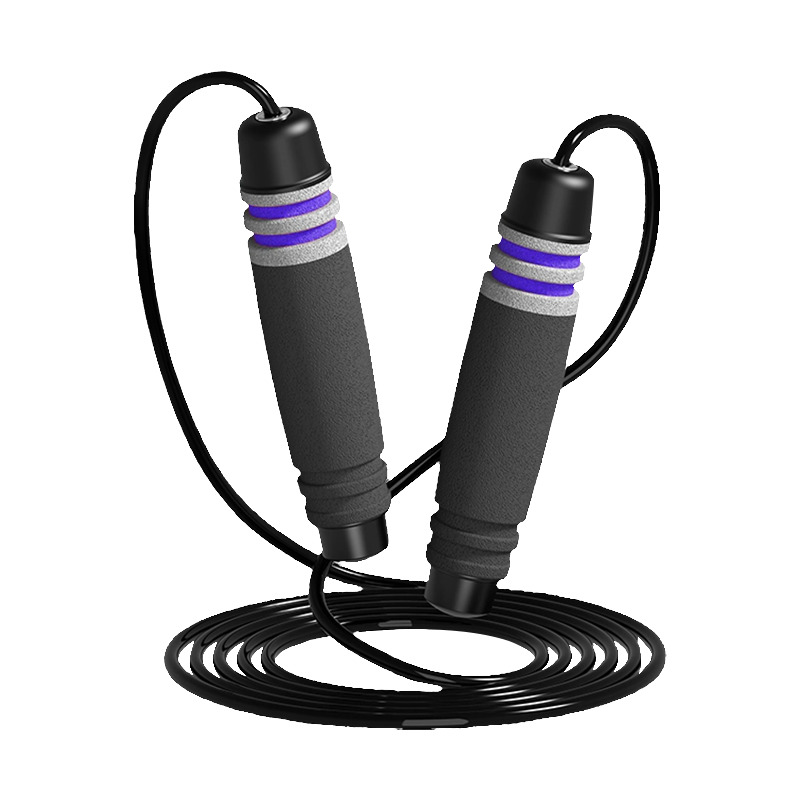
TS-3 Single Head Color/7 Groove Drum Shape Sponge Handle Jump Rope For Adults
News
-
Introduction to Racing Jump Ropes The humble jump rope, once a staple of playground nostalgia and simple cardiovascular warm-ups, has undergone a radical transformation in the mode...
READ MORE -
Discover the Power of Racing Jump Ropes Racing Jump Ropes: Defining the Speed Tool Racing Jump Ropes, often referred to as Speed Ropes, are high-performance fitness tools specifica...
READ MORE -
Introduction Jump rope workouts have long been a staple in fitness routines due to their simplicity and effectiveness. However, with the advent of technology, counting jump ropes h...
READ MORE -
Understanding the Benefits of Rubber Handle Jump Rope for Different Fitness Levels Jump rope is a simple yet highly effective fitness tool that has been gaining popularity in both ...
READ MORE

Contact Us
-

No. 215, Lane 4, Qiaotou Road, Qiaotou Town, Cixi City, Ningbo, Zhejiang Province, China.
-

+86-13867815229
-

Copyright © Cixi Lingdong Electronic Technology Co., Ltd. ALL rights reserved

UP