

 English
 Español
 عربى
The company adhering to the "customer first and forge ahead" business philosophy, adhere to provide our customers with quality service.
Weighted Handle Jump Rope Benefits: Why Extra Grams Change Your Training
The Quiet Power of a Weighted Handle Jump Rope
A few extra ounces near your palms rarely sound like much, and they certainly do not look like much. Just a slightly denser handle, a little more heft when you lift the rope off the floor. Yet in the hands of someone who jumps three times a week, those ounces quietly rewrite the movement: the tempo, the tension, the way the shoulders keep working long after the cardio has finished.
We have spent years moulding, filling and assembling exactly this kind of handle, so we tend to describe weight in practical terms rather than promotional ones. What follows is a plain look at what a weighted handle does for a jumper, where it genuinely helps, where it does not, and how to pick one that will not end up hanging on a hook.
What a Weighted Handle Actually Is
The first thing worth clearing up is where the weight lives. In a weighted handle rope, the mass sits inside the grips, usually a metal insert pressed or moulded into the handle body, while the cord itself stays light and quick. That placement matters more than the total number of grams printed on the label.
Because the load sits close to the wrist, it barely alters the arc of the cord. Your rope still travels the way you expect; you simply have to rotate a slightly heavier object to keep it going. A weighted rope behaves the opposite way, since the cord is dense, the swing slows down, and the timing feels unfamiliar from the very first rotation.
Handles are also the easier place to make adjustments. Weight can change without touching cord length, bearings or rope diameter, which is why most manufacturers treat handle mass as its own tuning knob rather than a fixed specification.
A heavier handle does not make you jump faster. It asks you to be steadier, and steadiness is usually what lets speed appear.
How the Extra Ounces Change Your Workout
After two or three sessions with a weighted handle, the differences become easy to feel. They are subtle, which is precisely why they tend to hold up over months rather than weeks.
- Grip and forearm endurance. Every rotation asks the fingers and wrist stabilisers to hold a slightly heavier object on a short leash, and over hundreds of repetitions that builds firmer hands and less fatigue late in a set.
- Shoulder stamina. A light rope lets the shoulders coast; a heavier handle keeps the deltoids engaged for the entire round.
- Rhythm discipline. Heavier grips punish rushed, choppy arm work and tell you immediately when your timing slips.
- Cardiovascular load. The same tempo for the same duration costs more effort, so heart rate sits higher and the session burns more.
- Cleaner body awareness. Pressure through the palm is easier to read, so landing and hand position become simpler to correct.
None of this replaces a training plan. It does mean that a twenty minute session can carry a little more value without adding a single extra minute.
Weighted Handles and Weighted Ropes Side by Side
These two designs are often lumped together in product listings, yet they behave quite differently. The comparison below is a general one, based on how the two categories typically perform rather than on any single model.
| Aspect | Weighted handle | Weighted rope |
|---|---|---|
| Location of mass | Inside the grips, close to the wrist | Along the full length of the cord |
| Effect on rope speed | Minimal; the cord stays quick | Noticeable; the swing slows down |
| Learning curve | Short; most jumpers adapt in one or two sessions | Longer; timing and rhythm need rebuilding |
| Main training emphasis | Grip, wrist and shoulder endurance | Full-body conditioning and power endurance |
| Best suited to | Tempo work, skill practice, high-repetition sets | Strength-oriented sessions and short heavy intervals |
| Portability | Similar to a standard rope | Heavier and bulkier to carry |
The practical summary: if you want to keep your speed and add a little resistance, handles are the gentler route. If you want the rope itself to feel like a training tool, a heavier cord is the more direct answer.
Who Gets the Most Out of a Heavier Handle
Weighted handles suit a wider range of jumpers than the packaging suggests. Three groups tend to notice the difference first.
Returning after a break
Coming back from a layoff, the limiting factor is rarely the lungs. It is usually the small muscles around the wrist and shoulder, and a modestly weighted handle gives those tissues something to work against at low speed, which makes the return feel far more controlled.
Endurance athletes crossing over
Runners, cyclists and swimmers often arrive with strong legs and comparatively untrained forearms. Ten minutes of weighted handle work fills that gap without eating into the rest of their training week.
Children and first-timers
For young jumpers the advice reverses: lighter is better. A grip that is too heavy encourages the shoulders to shrug and the wrists to lock, and that is exactly the habit you then spend months undoing. Keep the load small and the repetitions short.
There is one more group worth mentioning, and it is a larger one than most catalogues admit. Plenty of jumpers simply prefer the feel of a denser handle. Our weighted rubber handle skipping rope was designed with female trainees in mind, yet it turns out to be an easy recommendation for anyone who wants a calmer, more grounded grip, because the rubber absorbs shock and the modest load never overpowers the cord.
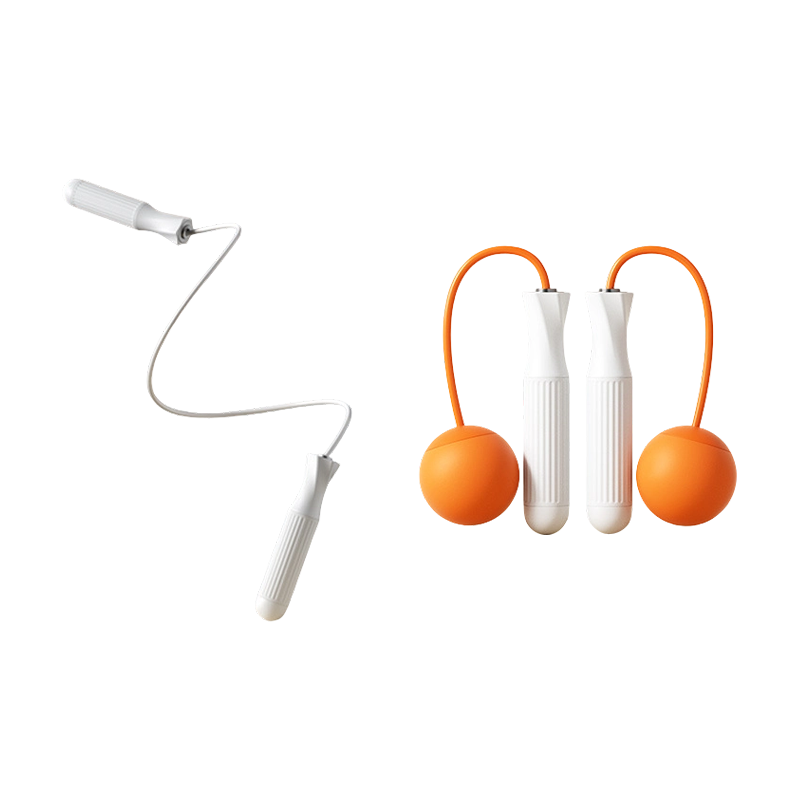 TS-106 Weighted Rubber Handle Skipping Rope for GirlsIts modestly weighted rubber handle and smooth rotation suit jumpers wanting a calmer, more grounded grip for indoor or outdoor sessions.View Product →
Choosing Your First Weighted Handle Rope
Most weighted handles on the market sit somewhere between a token addition and a genuine training tool. A sensible starting point for a general fitness jumper is a handle that adds roughly one hundred to two hundred grams per side, enough to register without distorting technique.
- Ask for the per-handle weight. A combined figure hides which end of the rope was actually loaded.
- Check the cord specification. A five millimetre PVC or steel cord behaves very differently from a beaded cord, and handle weight will not fix a poor match.
- Look at the grip surface. Rubber and foam absorb sweat; bare plastic does not, and that matters beyond the ten minute mark.
- Test the bearing play. A heavy handle on a loose bearing wobbles, and the wobble is felt in the wrist before it is heard.
- Keep the length adjustable. Handles that cannot be re-strung turn into a second purchase sooner than you would like.
Jumpers who want resistance and a tally of their work often pair a weighted handle with the feedback used in counting jump rope training, so a session can be judged by numbers rather than by feel alone.
Where fat loss is the goal, a moderate handle weight held at a sustainable tempo almost always outperforms an extreme load chased for two weeks and then abandoned. That is the logic behind our own weighted fat burning design, which keeps the extra mass in the grips and leaves the cord free to spin.
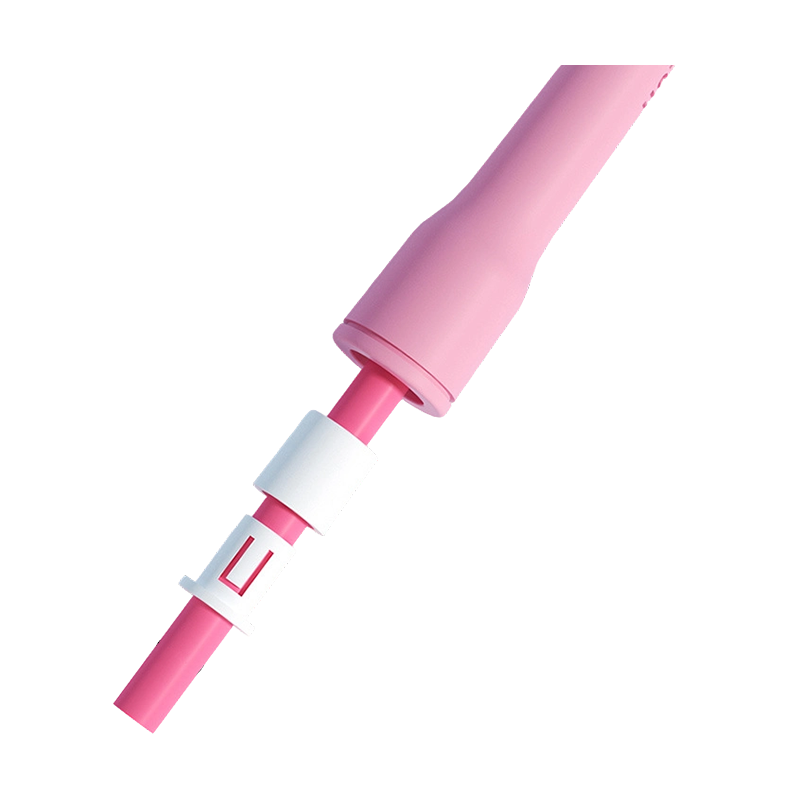 TS-48 Weighted Fat Burning Jump RopeAn adjustable-weight rope with ergonomic PP handles and a length-adjustable PVC cord, suited to sustained fat-burning sessions and advanced skipping.View Product →
Mistakes That Undo the Benefit
The most common problem is not the rope at all. It is the assumption that more weight automatically means more progress.
- Jumping straight to the heaviest handle in the range.
- Gripping harder to compensate, which pulls the shoulders up and shortens the neck.
- Chasing speed too early, turning a rhythm session into arm work.
- Jumping on concrete for long sets, then blaming the wrists.
- Never varying the load, so the same handle stops feeling like training.
If your hands ache within the first five minutes, the handle is probably too heavy or your grip is too tight. Ease off before soreness builds.
Anyone returning from a wrist, elbow or shoulder injury should treat added handle weight as a progression, not a starting point. A physiotherapist usually has a clearer view than a product page does.
Building a Routine Around a Heavier Handle
A weighted handle does not need its own programme. It slots into the one you already have, and works best when it takes over one or two sessions rather than all of them.
One simple structure is thirty seconds on and thirty seconds off for ten rounds, half with the weighted handle and half with your lighter rope. The alternation teaches your hands to relax under load, and relaxing under load is the skill most jumpers are missing.
A strength-oriented version looks like this: four rounds of two minutes at a conversational pace, then three rounds of one minute at a pace you could not hold a conversation through. Short, honest, and easy to recover from.
For jumpers who want one rope that covers both tempo work and conditioning, a medium-weight professional training handle is the most forgiving compromise. It accepts long sets without punishing technique, and it stays comfortable once the sweat sets in.
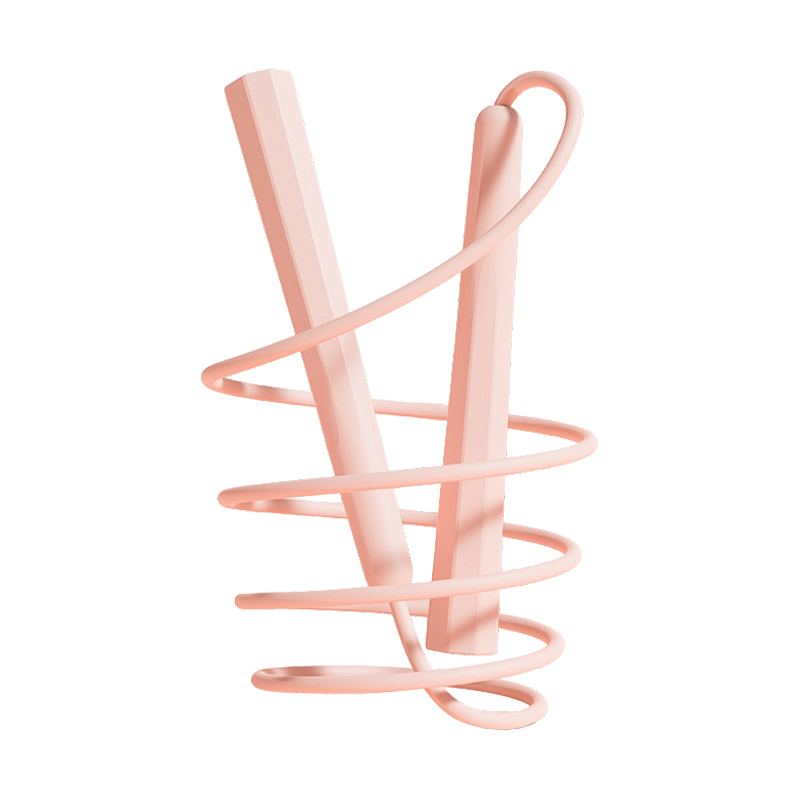 TS-32 Professional Training Rubber Handle Jump RopeA medium-weight training rope with an ergonomic non-slip polygonal handle and thickened adjustable PVC cord for comfortable everyday tempo and conditioning sets.View Product →
The Long Game
Weighted handles are a small idea that keeps paying. They will not turn a jump rope into a different piece of equipment, and they will not replace strength work in the gym. What they do is make an ordinary session a little more demanding for the muscles that hold everything together, namely the wrists, forearms and shoulders, while leaving the skill of jumping intact.
That combination is rarer than it sounds. Most training additions force you to choose between technique and load, and a handle lets you keep both. Which is, in the end, why it tends to stay in the bag long after the novelty of a heavier rope has worn off.
Start lighter than you think you need, keep the sets short, and allow three or four weeks before adding weight. The benefit accumulates quietly, and it lasts.
Related Product
-
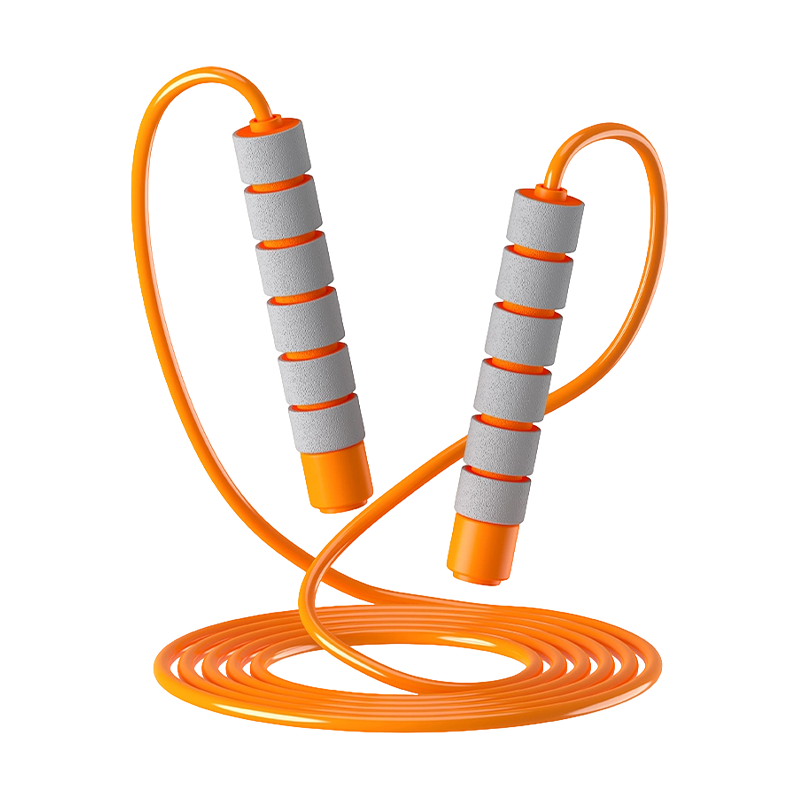
TS-1 PVC Rope Sponge Handle Jump Rope For Children
-
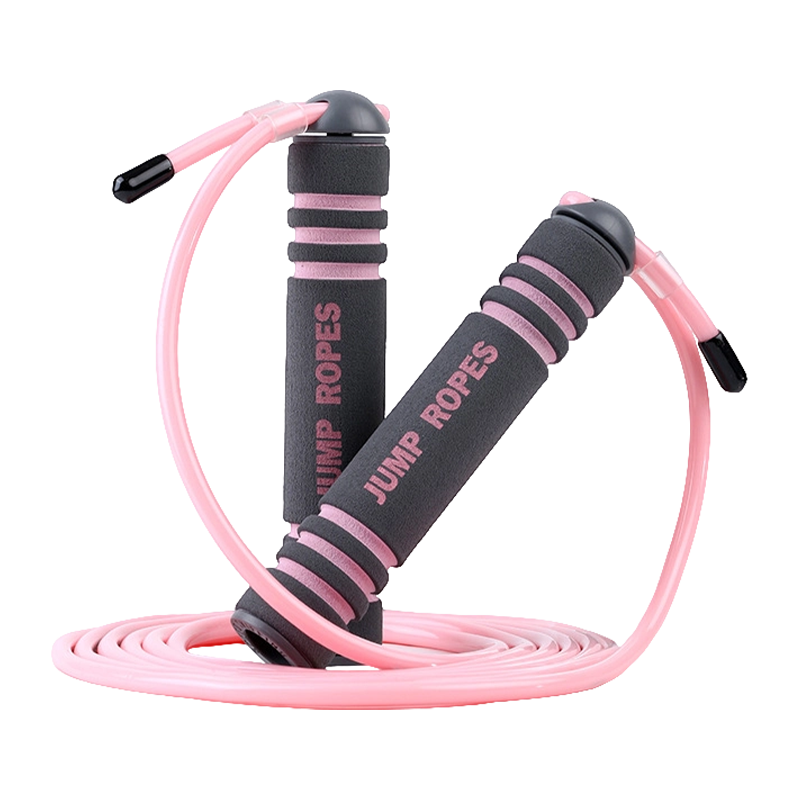
S-17 Sponge Handle Jump Rope For Children
-
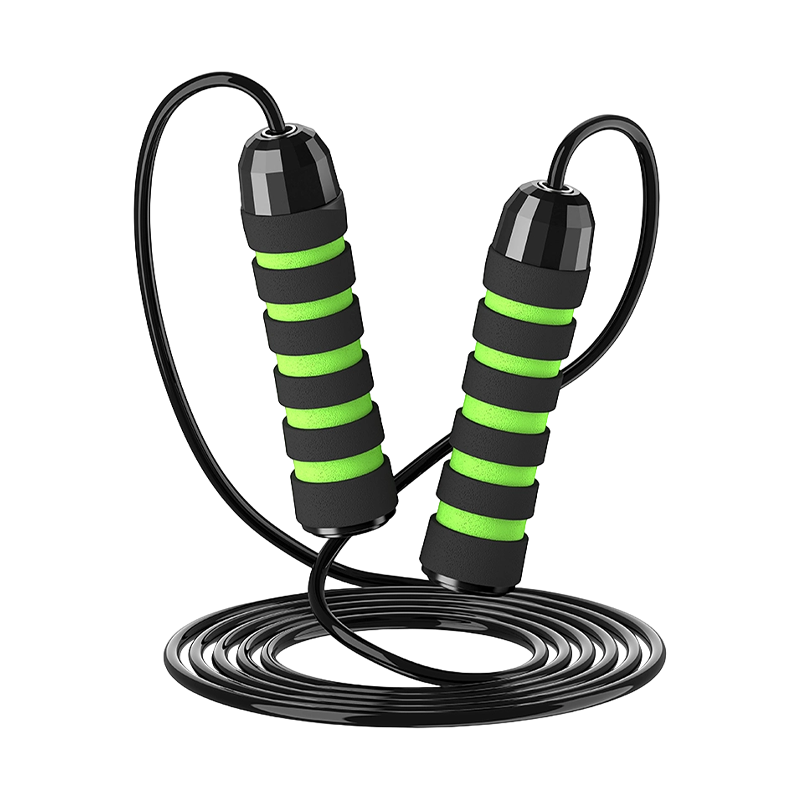
TS-2 5 Slots Sponge Handle Jump Rope For Adults
-
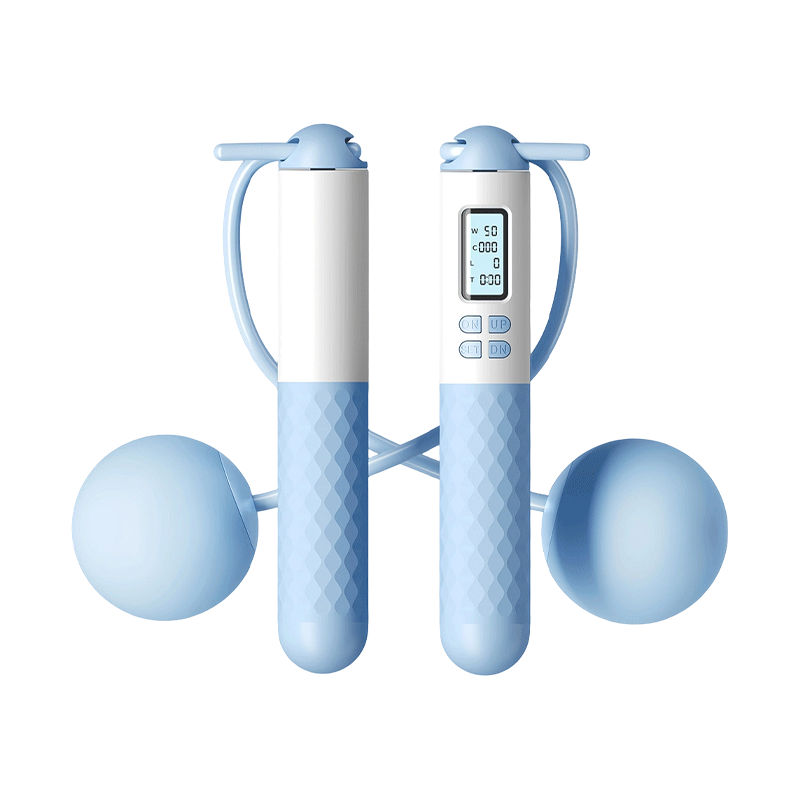
TS-7 ABS Handle Electronic Counting Jump Rope
-
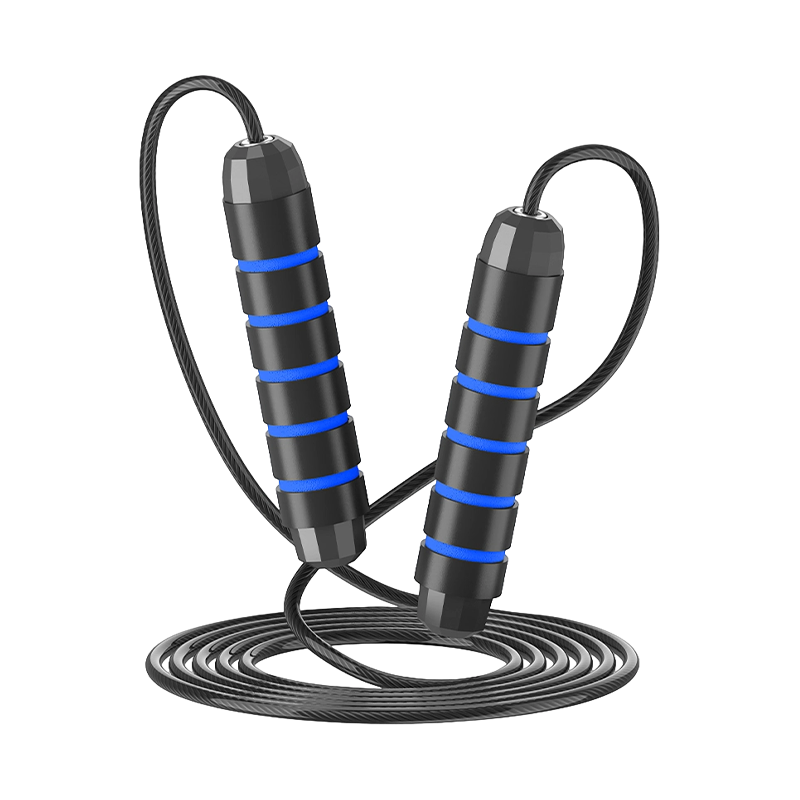
TS-3 Five-Slot Smooth Sponge Handle Jump Rope For Adults
-
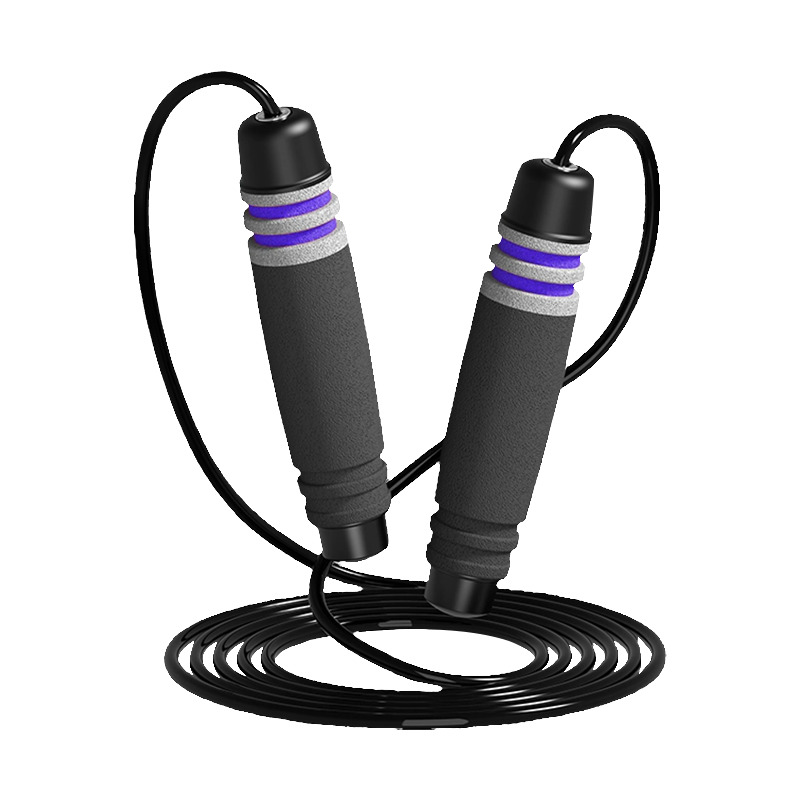
TS-3 Single Head Color/7 Groove Drum Shape Sponge Handle Jump Rope For Adults
News
-
Introduction to Racing Jump Ropes The humble jump rope, once a staple of playground nostalgia and simple cardiovascular warm-ups, has undergone a radical transformation in the mode...
READ MORE -
Discover the Power of Racing Jump Ropes Racing Jump Ropes: Defining the Speed Tool Racing Jump Ropes, often referred to as Speed Ropes, are high-performance fitness tools specifica...
READ MORE -
Introduction Jump rope workouts have long been a staple in fitness routines due to their simplicity and effectiveness. However, with the advent of technology, counting jump ropes h...
READ MORE -
Understanding the Benefits of Rubber Handle Jump Rope for Different Fitness Levels Jump rope is a simple yet highly effective fitness tool that has been gaining popularity in both ...
READ MORE

Contact Us
-

No. 215, Lane 4, Qiaotou Road, Qiaotou Town, Cixi City, Ningbo, Zhejiang Province, China.
-

+86-13867815229
-

Copyright © Cixi Lingdong Electronic Technology Co., Ltd. ALL rights reserved

UP