

 English
 Español
 عربى
عربىThe company adhering to the "customer first and forge ahead" business philosophy, adhere to provide our customers with quality service.
Is a Weighted Jump Rope Better? Pros, Cons, and How to Choose the Right One
Fitness Equipment · Jump Rope Buying Guide
Is a Weighted Jump Rope Better? The Practical Verdict
Heavier ropes build strength, sharpen rhythm, and make every minute feel productive. They also punish sloppy technique and slow you down when speed matters. Here is when the extra weight helps — and when it is just extra weight.
Walk into any gym and you will see the same pattern: someone buys a thin, lightning-fast speed rope, jumps for a week, then abandons it because it feels flimsy. The opposite happens with a weighted rope — the extra mass gives every rotation substance, and your shoulders feel it in ways a light rope never touches. That sensation is real. Whether it counts as an improvement depends entirely on your goal.
So is a weighted jump rope better? The practical answer is yes for strength, conditioning, and learning proper timing; no for speed work, long endurance sessions, and jumpers with wrist or shoulder problems. The rest of this guide explains the trade-offs you will not find on a product label.
What “Weighted” Actually Means in a Jump Rope
A jump rope can be made heavier in two different ways, and the distinction matters more than most buyers realise.
- Cable-weighted ropes use a thicker wire or PVC-coated cable, usually 5 mm or 6 mm in diameter instead of the 2.5–3 mm found on speed ropes. The extra mass creates momentum, slows the rotation slightly, and gives your wrists clearer feedback about where the rope is in its arc.
- Handle-weighted ropes put the load in the grips, typically 100–500 g per handle. The heavier handles shift the effort to your forearms, shoulders, and grip, while the cable stays light and travels fast.
Most weighted ropes on the market — including the models we manufacture — combine both approaches. That combination is the most versatile because it improves feel and adds resistance at the same time.
| Rope type | Typical weight | Best for | Main limitation |
|---|---|---|---|
| Speed rope | 2.5–3 mm cable, ultra-light handles | Double-unders, competitions, high-cadence cardio | Minimal feedback; little strength benefit |
| Light weighted (cable) | 5 mm cable, standard handles | Learning rhythm, general fitness, outdoor use | Not enough load for serious strength work |
| Heavy weighted (handles) | 100–500 g per handle, light cable | Shoulder conditioning, short strength intervals | Fast fatigue; unsuitable for speed work |
The weight you choose alters more than how heavy the rope feels. It changes the tempo of your turns, the muscles doing the work, and how long you can sustain before your form breaks down.
Where a Weighted Rope Clearly Wins
Better feedback for learning technique
A thicker cable takes slightly longer to complete a full revolution. For most learners, that is an advantage: the slower rotation gives you more time to feel the rope pass beneath your feet, hear the ground strike, and sync your jump. People who struggle with coordination on a speed rope usually settle into a steady rhythm within a few sessions on a 5 mm cable.
Upper-body strength and muscular endurance
Handle-weighted ropes put your forearms, shoulders, and upper back under load on every revolution. Research on weighted rope training in Taekwondo athletes found improvements in lower limb coordination, speed, response, and flexibility versus standard rope training. The added resistance creates more time under tension, driving adaptation in the muscles that grip and rotate the rope.
A good middle ground. The TS48 weighted fat-burning jump rope combines a thicker cable with a comfortable grip, adding resistance and feedback without turning every session into a shoulder grind.
More work per minute for cardio
A heavier rope increases the mechanical effort of every jump, so your heart rate climbs faster and your muscles fatigue sooner. You get a comparable stimulus in shorter sessions. The effect is not magical — the extra energy cost tracks the added weight — but the consistency benefit is real: a rope that feels substantial gets picked up more often.
Stability outdoors
The same mass that slows rotation also holds the rope’s arc steady in light wind. On a patio, driveway, or park path, a 5 mm cable behaves predictably, while a thin speed rope gets pushed into your ankles by a breeze.
A heavier rope teaches you to feel the rope. A lighter rope teaches you to dominate it. Train both.
Where a Weighted Rope Works Against You
Speed and competition work
If your goal is maximum revolutions per minute, clean double-unders, or competition preparation, a weighted rope is the wrong tool. The extra mass limits rotation speed, and the momentum makes it harder to whip into a second loop. Speed sessions demand the lightest cable you can control — this is where you build racing jump rope speed and cadence with a dedicated speed rope.
High-repetition endurance
During a continuous ten-minute session, the limiting factor with a weighted rope is not your lungs; it is forearm and shoulder fatigue that arrives around the fifth minute. When your arms tire, technique decays, jump height rises, and the extra impact shifts to your knees and ankles. For long steady-state cardio, a lighter rope lets you hold cleaner form for longer.
Watch for shoulder and wrist strain. Jumping with a heavy rope using arm-driven technique — swinging from the shoulders instead of snapping from the wrists — can overload the rotator cuff and forearm tendons. Muscle fatigue is normal; sharp pain is not. If you feel the latter, reduce the weight or stop.
Beginners with poor technique
A beginner who jumps with straight arms, excessive knee bend, or a tilted torso will amplify those flaws with a heavy rope. The extra load makes mistimed jumps more jarring, and a weighted cable to the shin hurts more than a speed rope. Learn the basic bounce and boxer step with a light rope first, then add weight.
Avoid weighted ropes with an active injury. Even 150 g per handle can aggravate tendinopathy in the wrist, elbow, or shoulder. Let the tissue recover fully before reintroducing load.
Who Should Choose What
There is no universal answer, but the decision becomes simple when you match the rope to your goal, body size, and training history.
- Fitness-first jumpers should pick a cable-weighted rope around 200–400 g total. It improves rhythm, builds arm endurance, and still allows 20–30 minute sessions.
- Strength and conditioning athletes get more value from handle-weighted ropes at 300–500 g per side, used in one to three minute intervals for grip, forearm, and shoulder work.
- Children and lighter users need low total weight. Handles around 80–100 g per side improve feel without overloading growing joints.
- Speed and competition jumpers should keep a light speed rope for technical training and use a weighted rope only on off-days.
For children and lighter users, a heavy cable is rarely the answer. The TS106 weighted rubber-handle skipping rope, designed for girls and lighter jumpers, follows a gentler logic: a cushioned rubber grip adds a modest, controlled load, while the cable stays flexible enough for learning crossovers and footwork.
How to Choose the Right Weight
Start with these practical rules, then adjust based on how the rope feels in your hands and how your shoulders respond the next morning.
- Add cable weight before handle weight. A 5 mm PVC-coated cable is the most forgiving way to add resistance — it gives feedback and momentum without loading the joints heavily.
- Keep the total rope under 450 g for general fitness. Anything heavier becomes a specialist tool for short strength intervals.
- Check the handle-to-cable balance. Heavy handles with a light cable feel awkward and tend to tip. A balanced rope spins smoothly with both handles pointing slightly forward at wrist level.
- Look for counting features if you track progress. A digital counting rope with an LCD display lets you compare cadence and session length between weighted and unweighted days, which is more reliable than guessing.
- Test at least 30 seconds of continuous jumping before you commit. If your wrists ache in the first minute, the rope is too heavy for you today.
For advanced jumpers who already own a standard weighted rope and want more load, the smart upgrade is a denser cable with the same proven handle geometry. The TS56 upgrade weight-bearing fat-burning jump rope follows that logic: a reinforced cable increases resistance, while the ergonomic grip keeps the rotation smooth.
The Verdict: Better for Some Goals, Not for Others
A weighted jump rope is better than a standard rope for three specific outcomes: learning precise timing, building upper-body strength endurance, and running a shorter, harder cardio session. It is not better for speed work, long endurance sets, beginners without basic technique, or anyone with pre-existing wrist or shoulder problems.
The best setup is a combination. Keep a light speed rope for technical and fast sessions, and add a weighted rope for strength and conditioning days. Alternating the two gives the most balanced progression, which is what most experienced jumpers end up doing.
When you shop, look for a cable at least 5 mm thick, grips you can hold comfortably for ten consecutive minutes, and a total weight that lets you finish your planned session with good form. Weight alone is not a quality signal — balance, bearing smoothness, and cable durability matter just as much.
If you are still deciding, compare weighted, counting, racing, and bamboo models side by side in our full jump rope range. Choose the rope that fits the training you will actually do this month. As your fitness improves, the right weight will change — and your rope should change with it.
Related Product
-
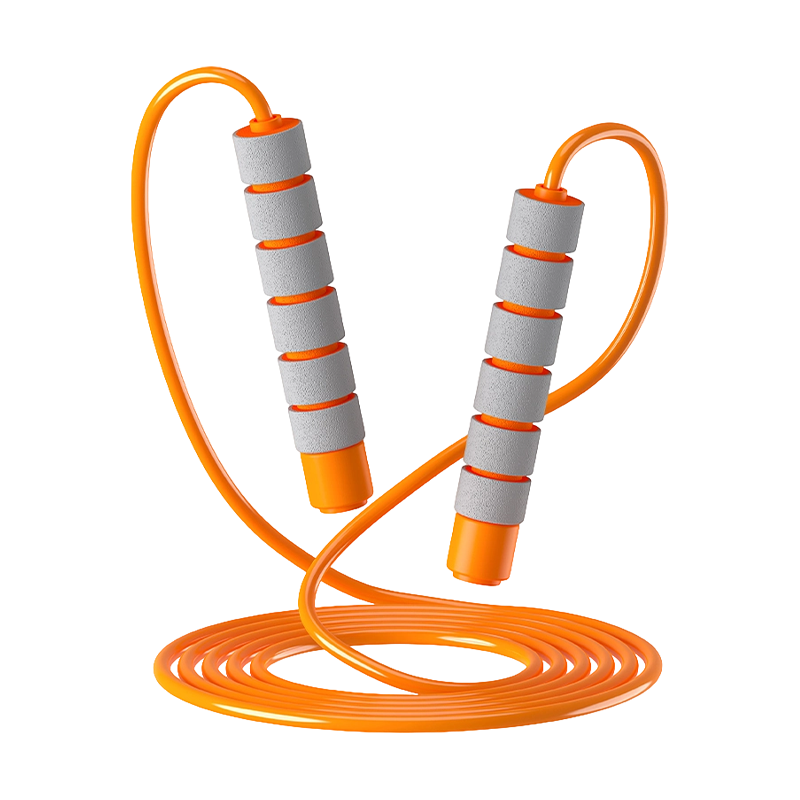
TS-1 PVC Rope Sponge Handle Jump Rope For Children
-
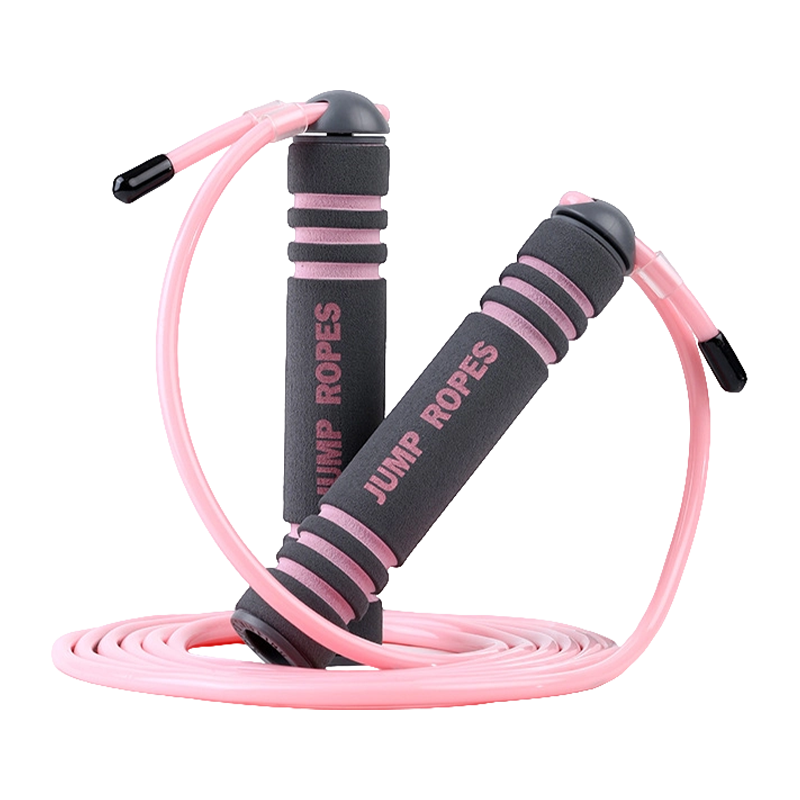
S-17 Sponge Handle Jump Rope For Children
-
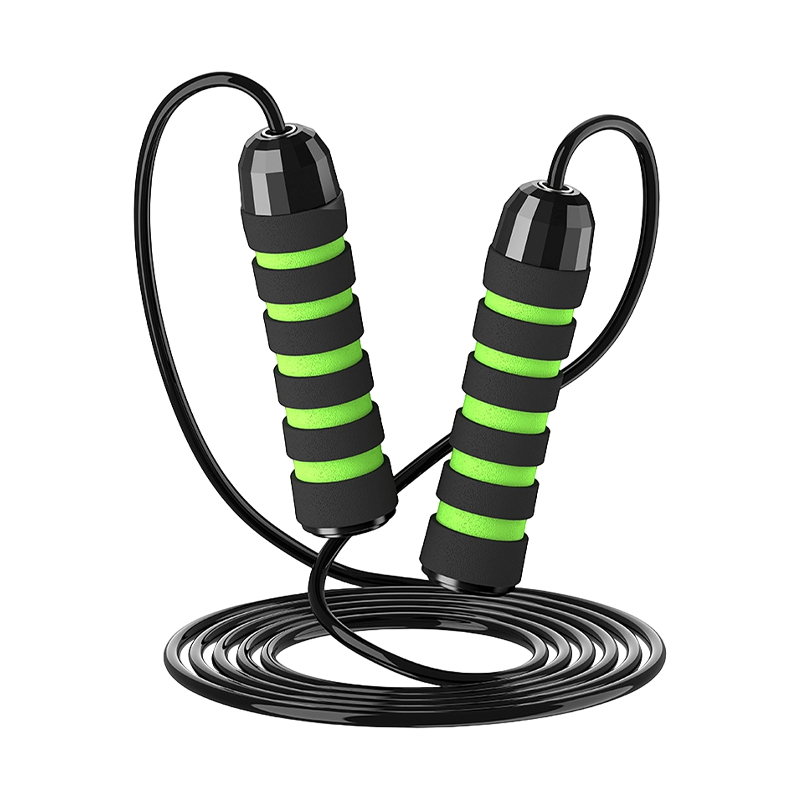
TS-2 5 Slots Sponge Handle Jump Rope For Adults
-
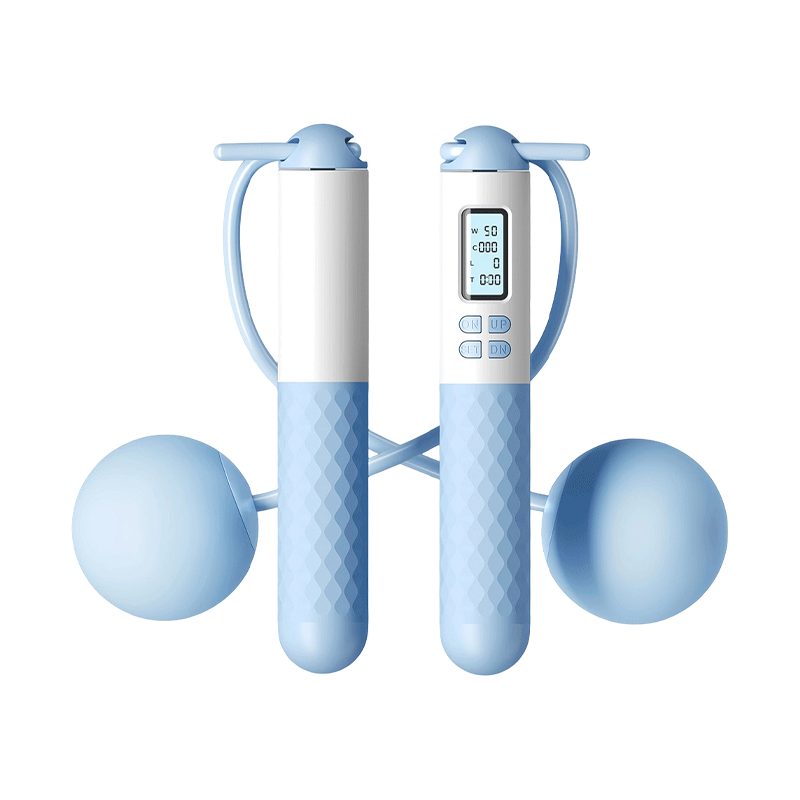
TS-7 ABS Handle Electronic Counting Jump Rope
-
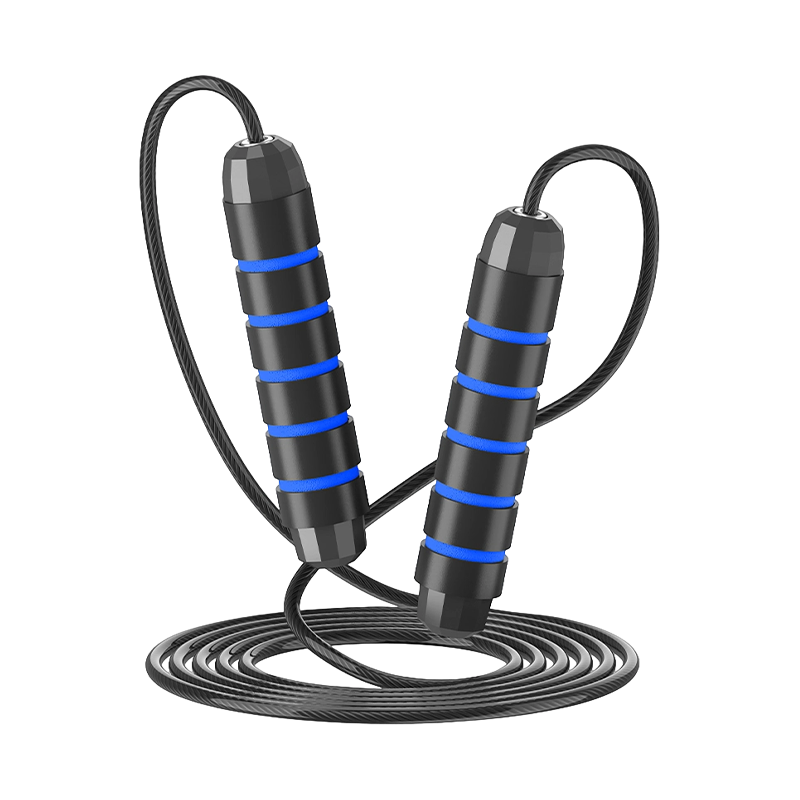
TS-3 Five-Slot Smooth Sponge Handle Jump Rope For Adults
-
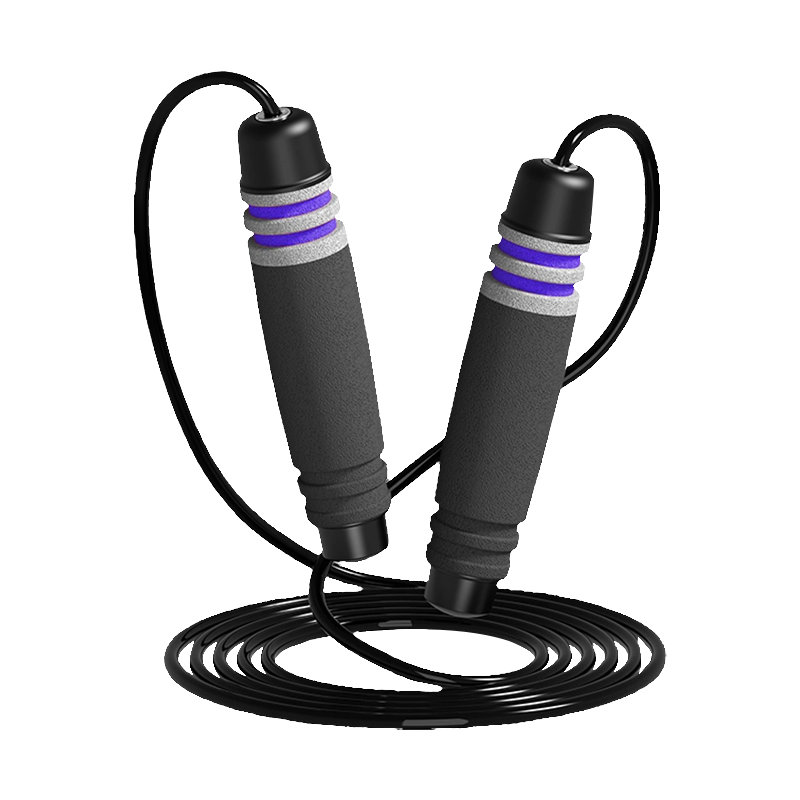
TS-3 Single Head Color/7 Groove Drum Shape Sponge Handle Jump Rope For Adults
News
-
Introduction to Racing Jump Ropes The humble jump rope, once a staple of playground nostalgia and simple cardiovascular warm-ups, has undergone a radical transformation in the mode...
READ MORE -
Discover the Power of Racing Jump Ropes Racing Jump Ropes: Defining the Speed Tool Racing Jump Ropes, often referred to as Speed Ropes, are high-performance fitness tools specifica...
READ MORE -
Introduction Jump rope workouts have long been a staple in fitness routines due to their simplicity and effectiveness. However, with the advent of technology, counting jump ropes h...
READ MORE -
Understanding the Benefits of Rubber Handle Jump Rope for Different Fitness Levels Jump rope is a simple yet highly effective fitness tool that has been gaining popularity in both ...
READ MORE

Contact Us
-

No. 215, Lane 4, Qiaotou Road, Qiaotou Town, Cixi City, Ningbo, Zhejiang Province, China.
-

+86-13867815229
-

Copyright © Cixi Lingdong Electronic Technology Co., Ltd. ALL rights reserved

UP