

 English
 Español
 عربى
عربىThe company adhering to the "customer first and forge ahead" business philosophy, adhere to provide our customers with quality service.
How does the eco-friendliness of the Bamboo Jump Rope compare to plastic or aluminum jump ropes in terms of carbon footprint?
The Bamboo Jump Rope is significantly more eco-friendly than plastic or aluminum jump ropes when measured across its full lifecycle carbon footprint. Bamboo is a rapidly renewable resource that sequesters carbon during growth, requires no pesticides, and biodegrades naturally at end of life — advantages that synthetic or metal alternatives simply cannot match. If reducing your environmental impact is a priority, the Bamboo Jump Rope is the clear winner.
Why Raw Material Origin Matters Most
The largest share of a product's carbon footprint typically comes from raw material extraction and processing — often called "cradle-to-gate" emissions. This is where the Bamboo Jump Rope separates itself most dramatically from plastic and aluminum competitors.
Bamboo is one of the fastest-growing plants on Earth, with some species growing up to 91 cm (35 inches) per day. A bamboo grove can be harvested in 3–5 years, compared to 20–50 years for hardwood trees. During that growth period, bamboo actively absorbs CO₂ — a mature bamboo forest can sequester approximately 12 tonnes of CO₂ per hectare per year, according to research published in the journal Carbon Balance and Management.
Plastic jump rope handles, on the other hand, are typically made from polypropylene (PP) or ABS plastic — both petroleum derivatives. Producing 1 kg of polypropylene emits approximately 1.9–2.1 kg of CO₂ equivalent, according to lifecycle assessment (LCA) databases such as Ecoinvent. Aluminum is even more energy-intensive: primary aluminum production generates roughly 8–12 kg of CO₂ per kg of metal due to the electrolytic smelting process.
Carbon Footprint Comparison: Bamboo vs Plastic vs Aluminum
The table below summarizes estimated lifecycle carbon emissions across the three primary handle materials used in jump ropes:
| Material | CO₂e per kg (Production) | Renewable Source | Biodegradable | Recyclable |
|---|---|---|---|---|
| Bamboo | ~0.5–1.0 kg CO₂e | Yes | Yes | Partially |
| Polypropylene (Plastic) | ~1.9–2.1 kg CO₂e | No | No | Yes (limited) |
| Aluminum (Primary) | ~8–12 kg CO₂e | No | No | Yes (highly) |
It is worth noting that recycled aluminum carries a much lower footprint — approximately 0.5–1.0 kg CO₂e per kg — making it competitive with bamboo when recycled content is high. However, most consumer-grade aluminum jump rope handles do not specify recycled content ratios, making this a difficult claim to verify at the point of purchase.
Manufacturing and Processing Emissions
Beyond raw materials, how a product is processed also contributes significantly to its total carbon footprint. The Bamboo Jump Rope handle typically undergoes cutting, sanding, and sealing — low-energy mechanical processes. By contrast:
- Plastic handles require injection molding at temperatures of 200–250°C, consuming substantial electrical energy per production cycle.
- Aluminum handles require casting, extrusion, and anodizing processes — all energy-intensive steps that contribute to indirect emissions.
- Bamboo processing is predominantly mechanical and can be powered by low-carbon energy sources more easily due to its lower thermal requirements.
Most Bamboo Jump Rope manufacturers are based in regions of Southeast Asia and China where bamboo is cultivated locally, which also reduces transportation emissions from source to factory compared to mined or petroleum-derived materials that often travel intercontinentally before processing.
End-of-Life Impact: What Happens When You're Done With It
End-of-life disposal is where the environmental gap between materials becomes starkest.
Bamboo Jump Rope
Bamboo handles are fully biodegradable under composting conditions, typically breaking down within 1–5 years in a natural environment. They do not release microplastics or toxic residues. If the rope cord is made from natural fibers (cotton or hemp), the entire product can be composted. Even if a synthetic cord is attached, the handle component alone represents a zero-landfill-waste disposal scenario.
Plastic Jump Rope
Plastic handles and PVC cords can persist in landfills for 400–1,000 years. They are technically recyclable but rarely accepted by municipal recycling programs due to their composite construction (mixed plastics, metal bearings, rubber grips). Most plastic jump ropes end up in landfill or incineration, the latter releasing additional CO₂ and toxic gases.
Aluminum Jump Rope
Aluminum is one of the most recyclable materials in the world — recycling aluminum uses only 5% of the energy required to produce primary aluminum. However, the mixed-material construction of jump ropes (aluminum handles with plastic or rubber grips and steel cables) makes separation and recycling challenging in practice. Few consumers disassemble fitness equipment for material-specific recycling.
Durability and Carbon Amortization
A fair carbon footprint comparison must also account for product lifespan. A product with a higher upfront carbon cost that lasts significantly longer may have a lower per-year environmental impact than a "greener" product that wears out quickly.
Based on user reports and product testing:
- Bamboo Jump Rope handles: Average useful lifespan of 2–4 years with proper care; susceptible to moisture damage if unsealed.
- Plastic Jump Rope handles: Lifespan of 3–5 years under regular use; can crack under UV exposure or extreme cold.
- Aluminum Jump Rope handles: Often the most durable option, lasting 5–10+ years under rigorous training conditions.
When carbon cost is amortized across lifespan, aluminum's durability gives it a meaningful advantage over its high production emissions. However, the Bamboo Jump Rope still maintains a favorable per-year footprint given its low production cost and biodegradable disposal.
The Role of the Rope Cord Material
The handle is only part of the equation. The rope cord itself contributes meaningfully to the overall carbon footprint of any jump rope, and this is an area where buyers should pay close attention regardless of which handle type they choose.
- PVC cord: Common in budget ropes; petroleum-derived and non-biodegradable. High carbon cost per meter.
- Nylon cord: Lighter carbon footprint than PVC but still synthetic and non-biodegradable.
- Steel cable: Used in speed ropes; durable and partially recyclable but energy-intensive to produce.
- Cotton or hemp cord: The lowest carbon option; biodegradable and renewable, though less durable for high-speed training.
For maximum eco-friendliness, a Bamboo Jump Rope paired with a cotton or hemp cord is the most sustainable full-product configuration currently available on the market.
If your primary goal is minimizing carbon footprint and environmental harm, the Bamboo Jump Rope is the best available choice among mainstream options. Here's a quick decision framework:
- Choose the Bamboo Jump Rope if sustainability is your top priority and you train in controlled indoor environments where moisture is not a concern.
- Consider recycled aluminum if you train outdoors frequently and need maximum durability — but verify that the product uses a high percentage of recycled content.
- Avoid virgin plastic ropes if reducing carbon footprint matters to you — they offer the worst combination of production emissions and end-of-life disposal.
The Bamboo Jump Rope represents a meaningful step forward in sustainable fitness equipment. While no product is entirely carbon-neutral, choosing bamboo over plastic delivers a roughly 50–75% reduction in handle production emissions, zero microplastic contribution, and a fully biodegradable end-of-life pathway — making it one of the most responsible choices available in this product category today.
Related Product
-
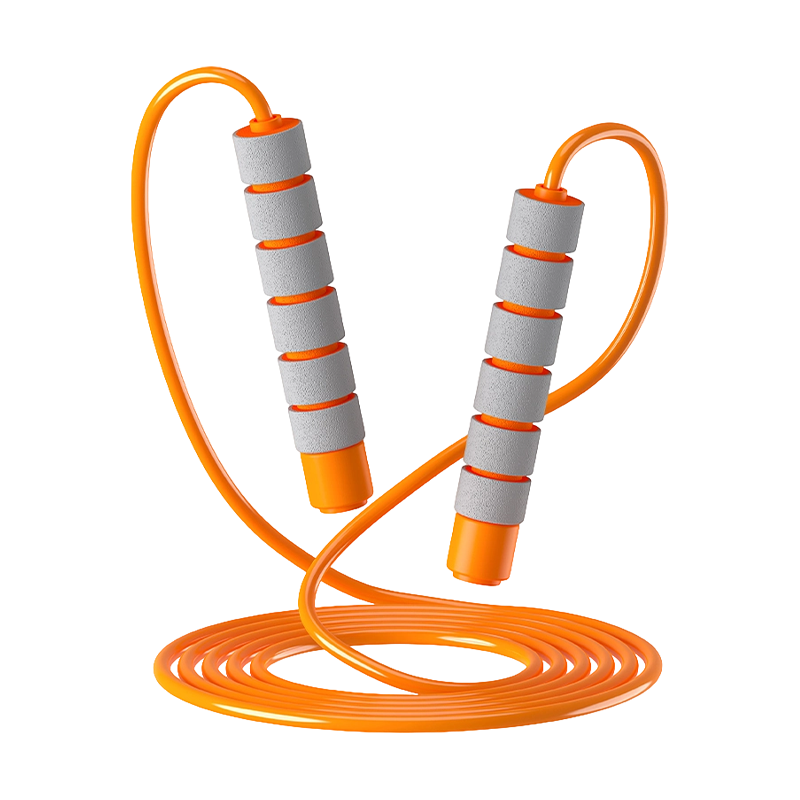
TS-1 PVC Rope Sponge Handle Jump Rope For Children
-
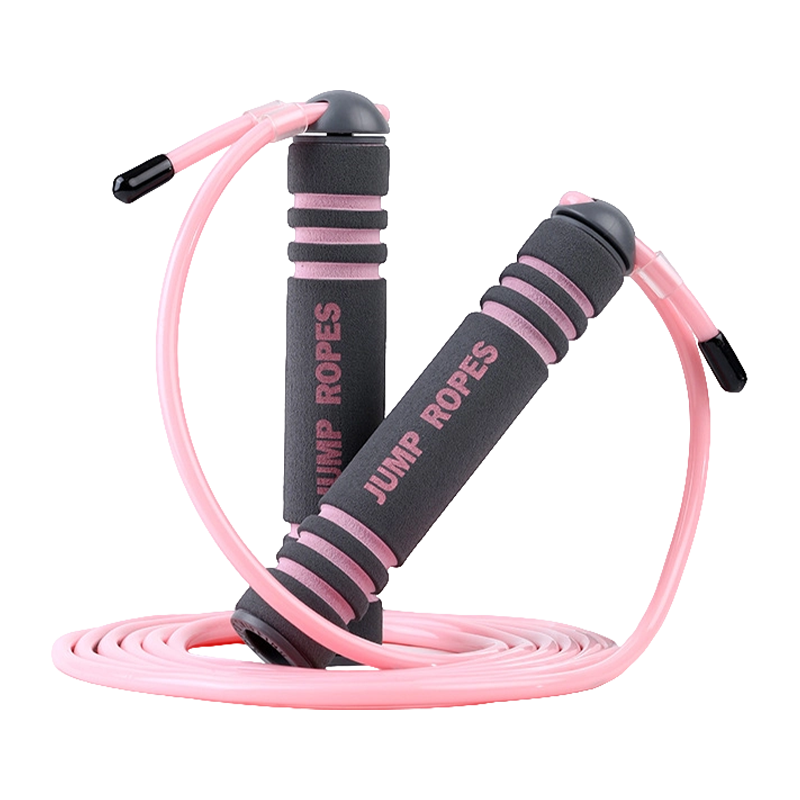
S-17 Sponge Handle Jump Rope For Children
-

TS-2 5 Slots Sponge Handle Jump Rope For Adults
-
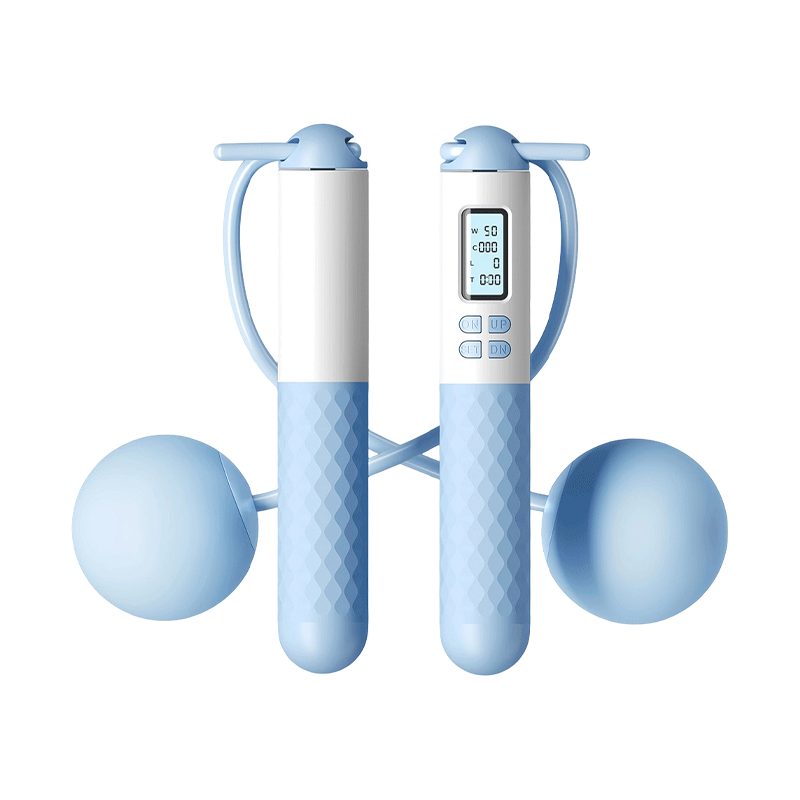
TS-7 ABS Handle Electronic Counting Jump Rope
-
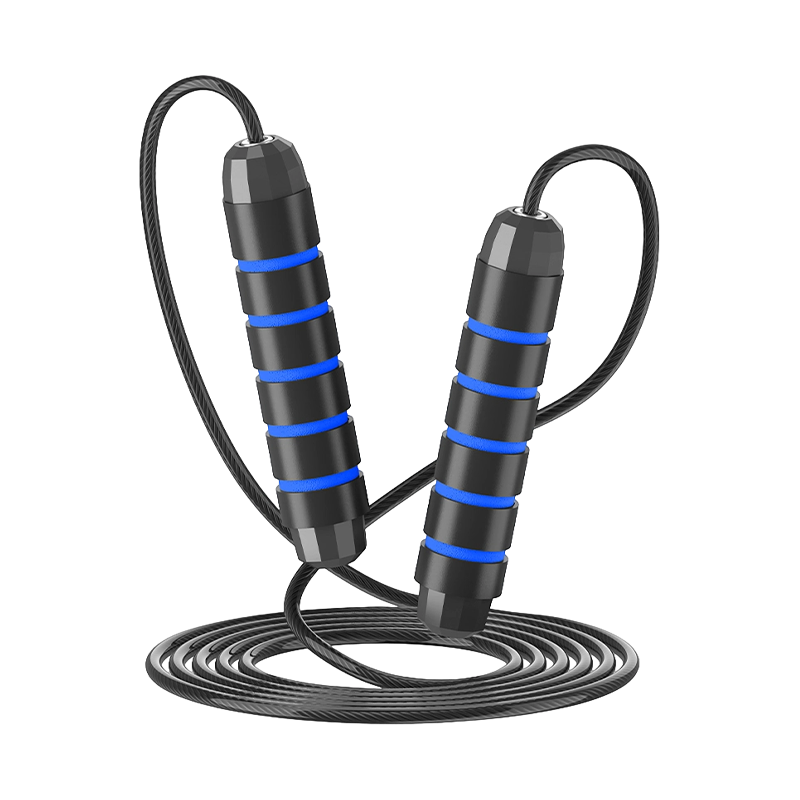
TS-3 Five-Slot Smooth Sponge Handle Jump Rope For Adults
-
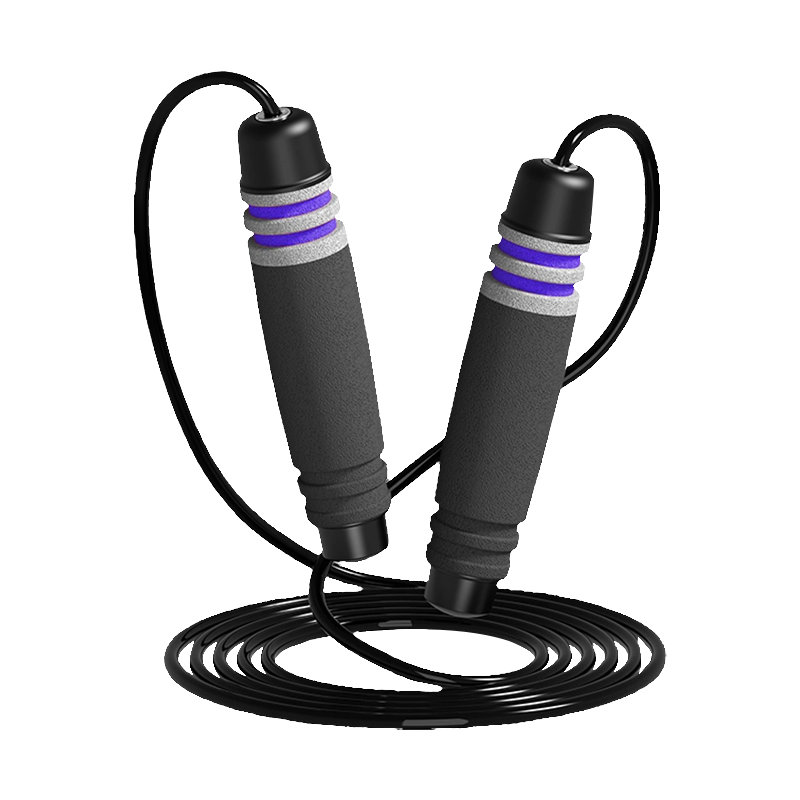
TS-3 Single Head Color/7 Groove Drum Shape Sponge Handle Jump Rope For Adults
News
-
Introduction to Racing Jump Ropes The humble jump rope, once a staple of playground nostalgia and simple cardiovascular warm-ups, has undergone a radical transformation in the mode...
READ MORE -
Discover the Power of Racing Jump Ropes Racing Jump Ropes: Defining the Speed Tool Racing Jump Ropes, often referred to as Speed Ropes, are high-performance fitness tools specifica...
READ MORE -
Introduction Jump rope workouts have long been a staple in fitness routines due to their simplicity and effectiveness. However, with the advent of technology, counting jump ropes h...
READ MORE -
Understanding the Benefits of Rubber Handle Jump Rope for Different Fitness Levels Jump rope is a simple yet highly effective fitness tool that has been gaining popularity in both ...
READ MORE

Contact Us
-

No. 215, Lane 4, Qiaotou Road, Qiaotou Town, Cixi City, Ningbo, Zhejiang Province, China.
-

+86-13867815229
-

Copyright © Cixi Lingdong Electronic Technology Co., Ltd. ALL rights reserved

UP