

 English
 Español
 عربى
عربىThe company adhering to the "customer first and forge ahead" business philosophy, adhere to provide our customers with quality service.
How does a nylon Training Jump Rope hold up against a steel-cable Training Jump Rope in terms of longevity?
The steel-cable training jump rope significantly outlasts a nylon training jump rope in most athletic and high-intensity training environments. Steel-cable ropes can withstand years of daily use, while nylon ropes typically show noticeable wear within months under the same conditions. However, the "better" choice depends heavily on your training surface, workout style, and performance needs — and longevity is only one piece of the equation.
Material Breakdown: What Each Rope Is Made Of
Understanding durability starts with understanding the materials themselves.
Nylon Training Jump Rope
Nylon ropes are typically constructed from braided or twisted synthetic polymer fibers. They are lightweight, flexible, and slightly forgiving on impact. Nylon has a natural elasticity that reduces hand fatigue, making it a popular choice for beginners or those doing slower-paced fitness routines. However, nylon fibers fray and thin out over time, especially when used on rough surfaces like asphalt or concrete.
Steel-Cable Training Jump Rope
Steel-cable ropes feature a coated or uncoated wire core — usually galvanized or stainless steel — encased in a thin PVC or nylon sheath. The steel construction provides exceptional tensile strength and resistance to abrasion. These ropes are the industry standard in competitive jump rope, CrossFit, and boxing training precisely because of their structural integrity under repeated high-speed use.
Longevity Comparison: How Long Do They Actually Last?
Let's look at real-world lifespan expectations based on training frequency and surface type.
| Factor | Nylon Training Jump Rope | Steel-Cable Training Jump Rope |
|---|---|---|
| Average Lifespan (Gym Floor) | 6–12 months | 2–4 years |
| Average Lifespan (Concrete/Asphalt) | 1–3 months | 6–18 months |
| Resistance to Fraying | Low | High |
| Kink/Tangle Resistance | High | Moderate |
| Rust or Corrosion Risk | None | Low (if PVC-coated) |
| Cost | $5–$20 | $15–$50 |
As the table shows, steel-cable training jump ropes last 3–4 times longer than nylon ropes under equivalent conditions on smooth gym floors. On rougher outdoor surfaces, the gap widens dramatically — nylon ropes can degrade in as little as four to six weeks with daily use.
Performance Impact as the Rope Ages
Durability isn't just about how long a rope survives — it's about how performance degrades over time.
Nylon Rope Degradation
As a nylon training jump rope wears down, you'll notice the rope becomes uneven in thickness due to fiber loss. This causes inconsistent rotation speed and unpredictable arc, which directly disrupts rhythm during double-unders or speed drills. The handles may also loosen from their swivel anchors as the rope end thins. Essentially, a degraded nylon rope becomes a liability rather than a training tool.
Steel-Cable Rope Degradation
Steel-cable training jump ropes degrade differently. The outer PVC coating may crack or peel over time, exposing the bare wire — which can be uncomfortable or mildly abrasive. Kinking is another common issue if the rope is improperly stored or repeatedly bent at sharp angles. However, even a visibly worn steel-cable rope typically maintains consistent rotation speed and arc stability long after a nylon rope of the same age would have been discarded.
Training Surface: The Biggest Variable in Longevity
Where you train has a greater impact on rope lifespan than almost any other factor. Here's how each rope holds up across the most common training environments:
- Rubber gym mats: Both ropes perform well. Nylon lasts 10–12 months; steel-cable can reach 3+ years.
- Hardwood or vinyl floors: Ideal for both. Minimal abrasion extends nylon life to nearly a year.
- Concrete: Nylon degrades within weeks to months. Steel-cable with thick PVC coating holds up 6–18 months.
- Asphalt or pavement: Nylon is essentially incompatible for frequent outdoor use. Steel-cable is the only practical option.
- Grass or dirt: Moisture and debris accelerate nylon fraying. Steel-cable with a coated sheath handles this environment much better.
If you train primarily outdoors, a steel-cable training jump rope is the only sensible long-term investment.
Cost-Effectiveness Over Time
A nylon training jump rope may cost as little as $8, while a quality steel-cable training jump rope typically ranges from $20 to $40. At first glance, nylon seems like the budget-friendly option. But consider the replacement cycle:
- A serious athlete replacing a nylon rope every 3 months spends approximately $32/year at $8 per rope.
- A $30 steel-cable training jump rope lasting 3 years costs only $10/year.
Over a three-year period, a dedicated user could spend over $96 on nylon ropes compared to just $30 on a single steel-cable option. The steel-cable rope is more than three times more cost-effective in the long run.
When a Nylon Training Jump Rope Makes Sense
Despite the durability gap, a nylon training jump rope is not without merit. There are specific use cases where it is genuinely the better choice:
- Beginners learning jump rope fundamentals — The softer feel and forgiving arc of nylon reduces frustration and injury risk from rope strikes.
- Children or youth fitness programs — Nylon is safer, lighter, and less intimidating for younger users.
- Low-frequency casual workouts — If you jump rope once or twice per week, a nylon rope will last a reasonable amount of time without heavy investment.
- Indoor-only training on smooth surfaces — Reduced abrasion means nylon holds up significantly better in a controlled gym environment.
Maintenance Tips to Extend the Life of Either Rope
Regardless of which training jump rope you choose, proper care significantly extends its usable life.
For Nylon Training Jump Ropes
- Always use on smooth, clean surfaces — avoid dragging the rope on rough ground.
- Coil loosely and avoid tight bends when storing to prevent fiber stress.
- Keep away from direct sunlight for extended periods, as UV exposure degrades nylon fibers.
For Steel-Cable Training Jump Ropes
- Inspect the PVC coating regularly for cracks; replace the rope before exposed wire causes injury.
- Store in a loose loop — never fold tightly — to avoid permanent kinks in the cable.
- Wipe down with a dry cloth after outdoor use to prevent moisture-related corrosion at the cable ends.
For most athletes and fitness enthusiasts who train consistently, a steel-cable training jump rope is the clear winner in longevity, cost-efficiency, and sustained performance. It outlasts nylon by a factor of three to four, handles diverse training surfaces, and maintains consistent arc and speed even after heavy use.
A nylon training jump rope remains a valid option for beginners, children, and light indoor use — but for anyone serious about jump rope training, investing in a quality steel-cable rope from the start is the smarter, more economical long-term decision.
Related Product
-

TS-1 PVC Rope Sponge Handle Jump Rope For Children
-
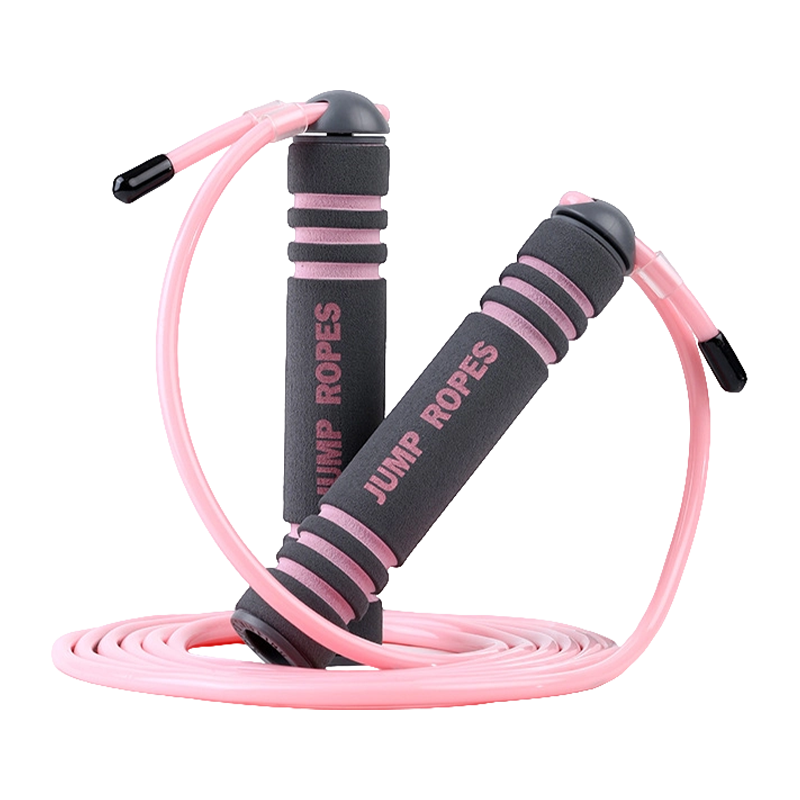
S-17 Sponge Handle Jump Rope For Children
-

TS-2 5 Slots Sponge Handle Jump Rope For Adults
-
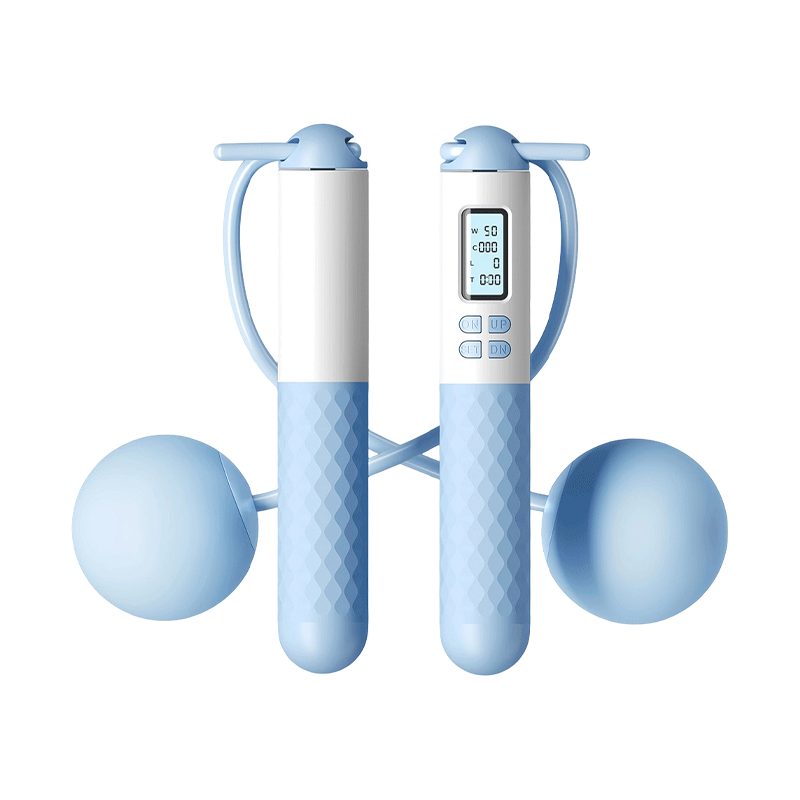
TS-7 ABS Handle Electronic Counting Jump Rope
-
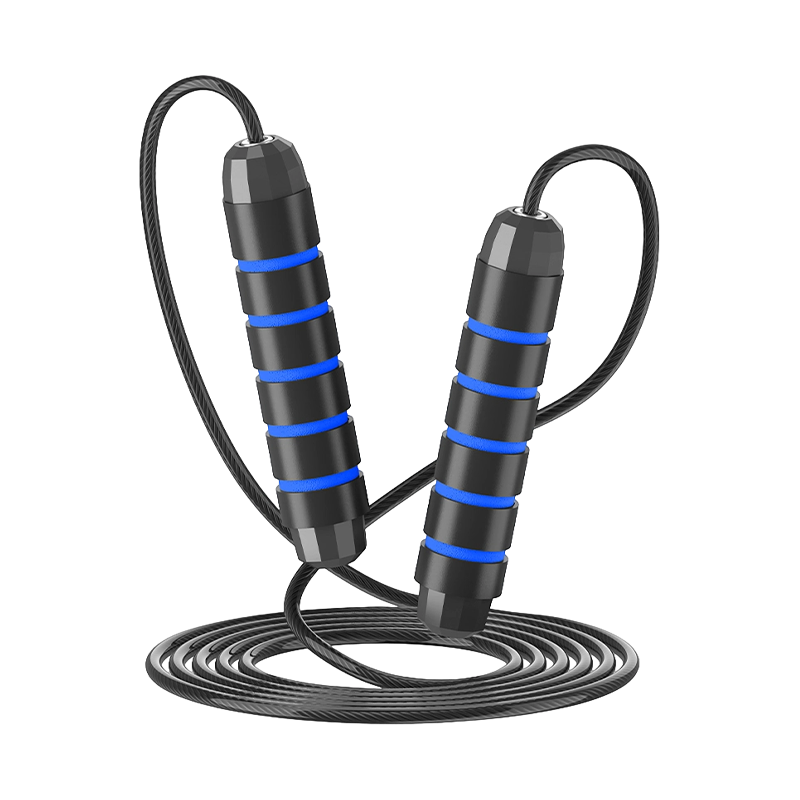
TS-3 Five-Slot Smooth Sponge Handle Jump Rope For Adults
-
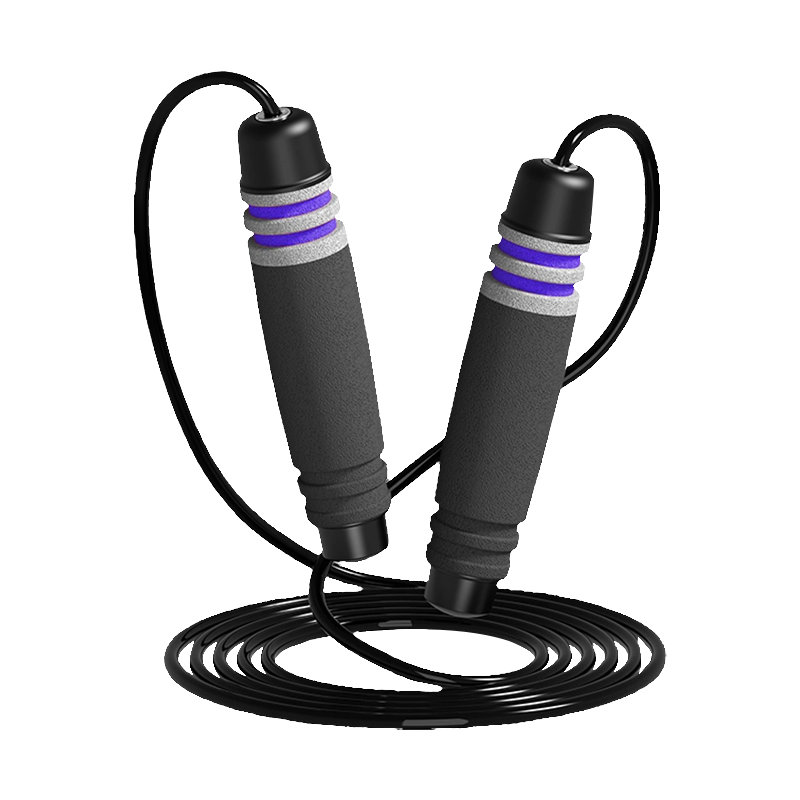
TS-3 Single Head Color/7 Groove Drum Shape Sponge Handle Jump Rope For Adults
News
-
Introduction to Racing Jump Ropes The humble jump rope, once a staple of playground nostalgia and simple cardiovascular warm-ups, has undergone a radical transformation in the mode...
READ MORE -
Discover the Power of Racing Jump Ropes Racing Jump Ropes: Defining the Speed Tool Racing Jump Ropes, often referred to as Speed Ropes, are high-performance fitness tools specifica...
READ MORE -
Introduction Jump rope workouts have long been a staple in fitness routines due to their simplicity and effectiveness. However, with the advent of technology, counting jump ropes h...
READ MORE -
Understanding the Benefits of Rubber Handle Jump Rope for Different Fitness Levels Jump rope is a simple yet highly effective fitness tool that has been gaining popularity in both ...
READ MORE

Contact Us
-

No. 215, Lane 4, Qiaotou Road, Qiaotou Town, Cixi City, Ningbo, Zhejiang Province, China.
-

+86-13867815229
-

Copyright © Cixi Lingdong Electronic Technology Co., Ltd. ALL rights reserved

UP