

 English
 Español
 عربى
The company adhering to the "customer first and forge ahead" business philosophy, adhere to provide our customers with quality service.
Ball bearing weighted jump rope: Applications, Selection Criteria, and Practical Guidance
A Weighted Jump Rope Only Feels Good If the Spin Is Right
A ball bearing weighted jump rope rewards you only when the handle rotates freely and the cable tracks predictably. Everything else — the load, the grip, the length — sits on top of that first mechanical impression.
Most people pick a weighted rope for the extra effort it demands. A week later, many put it aside for a reason that has nothing to do with weight: the cable keeps twisting, the handle grinds, and every few reps the session stops so the rope can be untangled. That is not a weight problem. It is a bearing problem.
Why the Bearing Outranks the Weight
A ball bearing system separates the handle from the cable's rotation. When the inner ring rotates freely on the balls, the cable maintains consistent tension no matter how hard you flick your wrist. On a weighted rope, this matters even more, because a heavier cable carries more angular momentum. Without a smooth bearing, that momentum pushes back at the bottom of every swing, jerking the handles out of line and forcing your forearms to fight the rope.
With a properly fitted bearing, the weighted cable rotates on its own inertia. Your wrist sets the rhythm, the rope follows, and you can hold a steady pace without constant correction. Experienced jumpers usually describe this as the rope feeling smooth long before they mention the weight. That order is not random. It reflects what actually makes a rope usable.
The best weighted rope is not the heaviest one. It is the one that keeps spinning cleanly when your form starts to fatigue.
Weight in the Handles Is Not the Same as Weight in the Cable
Where the extra mass sits changes how the rope behaves. Handle-weighted designs concentrate the load in your grip, forcing the forearm and shoulder to stabilise every turn. Cable-weighted designs put the load along the rope, so the momentum carries through the arc and you have to slow it down with your core and upper back. Both are useful, but they train different things.
The table below shows the simplest way to compare the three common configurations. There is no universal best option; there is only the option that matches your current goal.
| Design | Where the weight sits | Best suited for | Difficulty |
|---|---|---|---|
| Handle-weighted | Inside or around the handles | Beginners, upper-body conditioning | Easy to control |
| Cable-weighted | Thicker PVC or coated wire | Intermediate, rhythm work | Moderate |
| Full-body weighted | Both handles and cable | Advanced strength-endurance | High |
Start with a handle-weighted rope under 0.5 kg if weighted skipping is new to you. The extra mass gives your hands feedback without loading the cable so heavily that your rhythm breaks.
How to Choose a Ball Bearing Weighted Jump Rope
Three specifications matter more than branding: cable length, total weight, and bearing quality. A 2.4 m cable suits a jumper around 160 cm tall; taller athletes usually need 2.8 m or 3.0 m. The bearing should be sealed so sweat does not wash out the lubricant, and it should sit tightly inside the handle with no lateral movement.
| Spec | What to look for | Why it matters |
|---|---|---|
| Cable length | 2.4–3.0 m, matched to height | Too short stalls the spin; too long drags the cable |
| Weight | 0.3–0.6 kg for most users | Enough feedback without overloading the shoulders |
| Bearing | Sealed ball bearing, snug fit | Consistent rotation prevents tangles and jerk |
| Handle grip | Foam or rubber with texture | Grip fatigue changes form in longer rounds |
From the manufacturing side, the fit between the bearing seat and the handle body decides how long that smooth feel lasts. A loose bearing wobbles inside the grip, wears down the plastic, and kills the rotation within weeks. A rope can feel perfect in the showroom and fail a month later if that tolerance is wrong. That is why inspection standards matter when you buy in bulk.
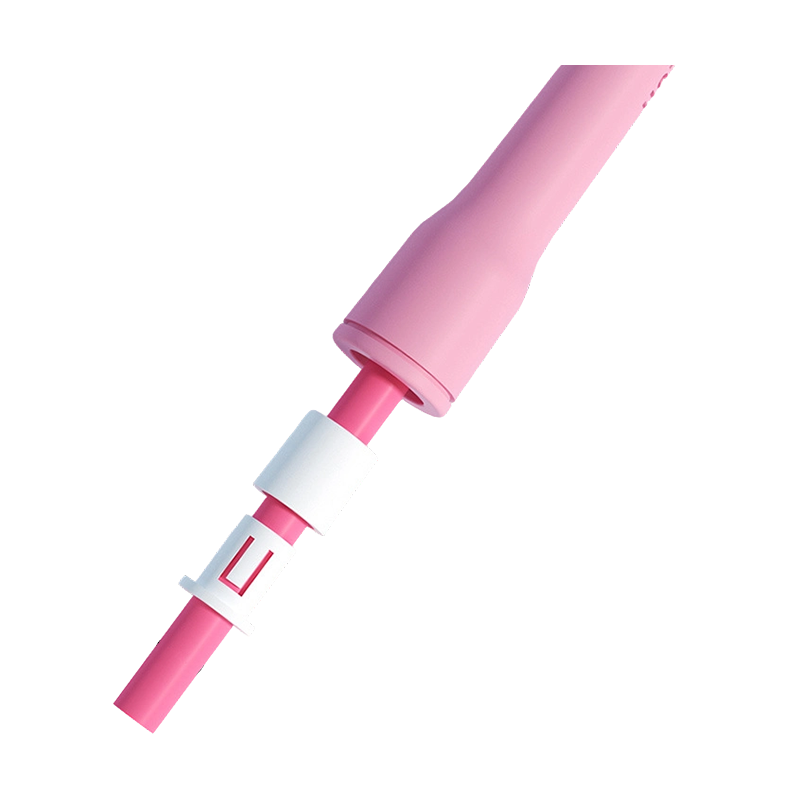 TS-48 Weighted Fat Burning Jump RopeThis weighted rope's precise bearing fit ensures lasting smoothness, while its adjustable PVC design suits short strength-focused rounds after warm-ups or as finishers.View Product →
Putting It to Work in Real Sessions
Treat a weighted rope as a strength tool rather than a volume tool. Use it in short rounds after a warm-up, between resistance sets, or as a finisher. Because the load raises the perceived effort quickly, you do not need the same number of repetitions you would manage with a speed rope.
Because it has to be handled with intent, a weighted rope also improves rhythm faster than a light one. A smooth ball bearing lets you focus on foot timing instead of cable management, which is why the growing jump rope training culture mixes weighted sessions into general strength programming.
A simple weekly structure might look like this:
- Warm-up: three rounds of 60 seconds at an easy bounce.
- Strength circuit: 30 seconds of jumping after every set of pressing or pulling.
- Finisher: four rounds of 45 seconds with high knees and full rest between rounds.
- Technique: five minutes of alternating footwork at a slow, controlled rotation.
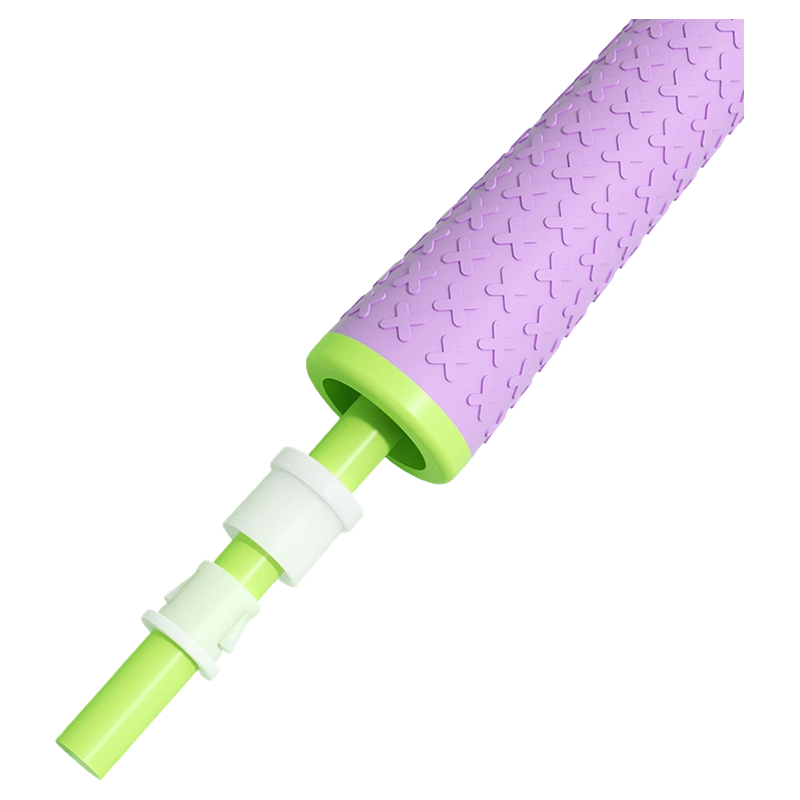 TS-56 Upgrade Weight-Bearing Jump RopeErgonomically designed with silicone grip and adjustable weight, this rope fits a weekly workout structure and helps avoid common mistakes that lead to poor reviews.View Product →
Where Most Buyers Go Wrong
Three mistakes account for almost every bad review of a weighted rope.
- Buying too heavy. A 1 kg rope on day one does not create discipline; it creates poor shoulder mechanics and sloppy footwork. Work up from 0.4–0.6 kg.
- Ignoring length. A rope 10 cm too long produces extra whip and tangles more often, regardless of how good the bearing is.
- Skipping basic care. Sweat and dust are the main enemies of a ball bearing. Wipe the handles after use, let them dry fully, and check for play every few weeks.
If the handle feels rough on the first day, return it. Weighted ropes do not break in to become smooth. They only get smoother in one direction, and it is usually not the direction you want.
After a month, a rope that still spins freely is the one worth keeping. That is the real quality test.
Buy the Bearing, Not Just the Weight
Choose the lightest weighted rope that fits your body, and let the bearing quality make the final decision. If the rotation is sealed, the handle fits your hand, and the cable length matches your height, the weight will do its job. A smooth spin is the difference between a tool you reach for daily and one you store in the back of a cupboard.
Whether you are buying a single rope or specifying a production run, hold the same standard: the bearing should rotate first, and the weight should follow.
Related Product
-
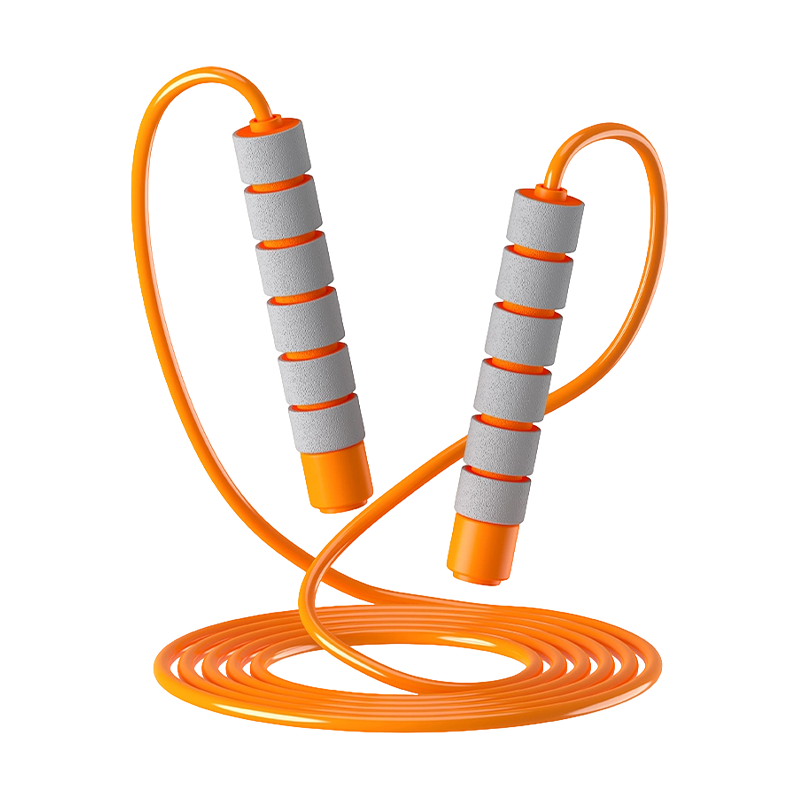
TS-1 PVC Rope Sponge Handle Jump Rope For Children
-
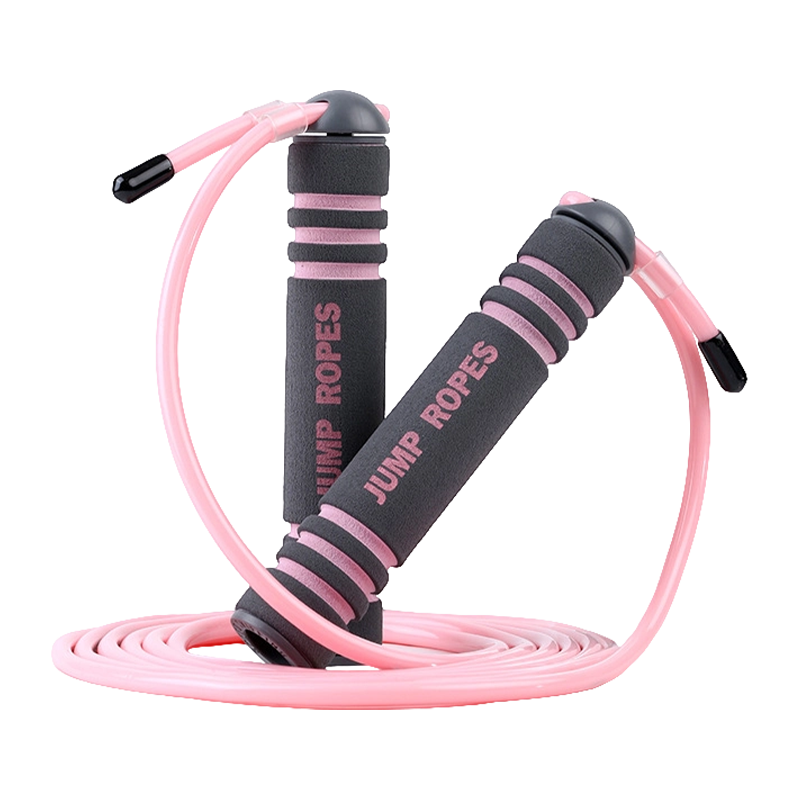
S-17 Sponge Handle Jump Rope For Children
-
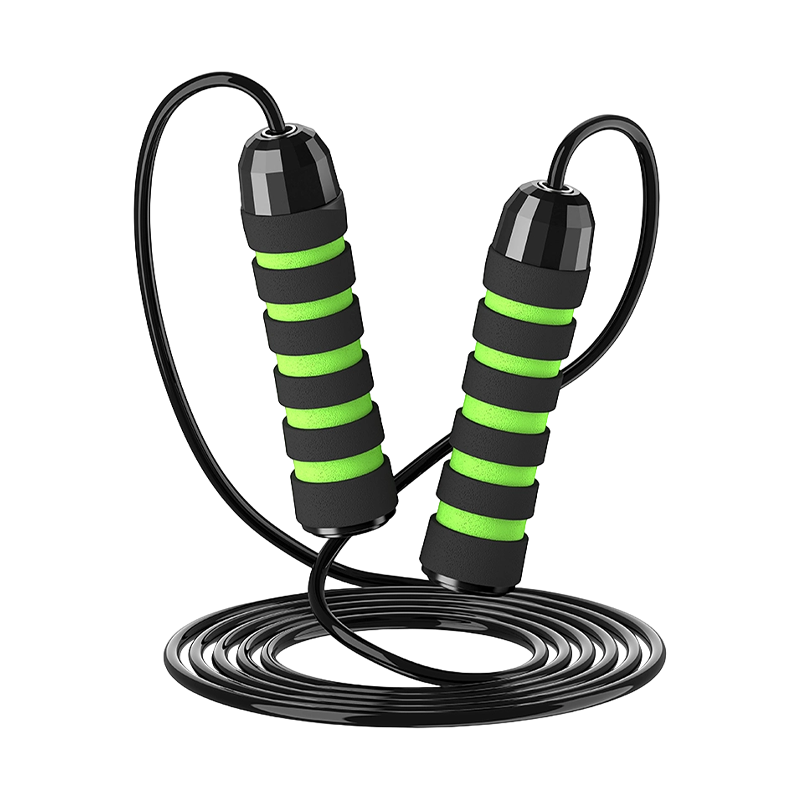
TS-2 5 Slots Sponge Handle Jump Rope For Adults
-
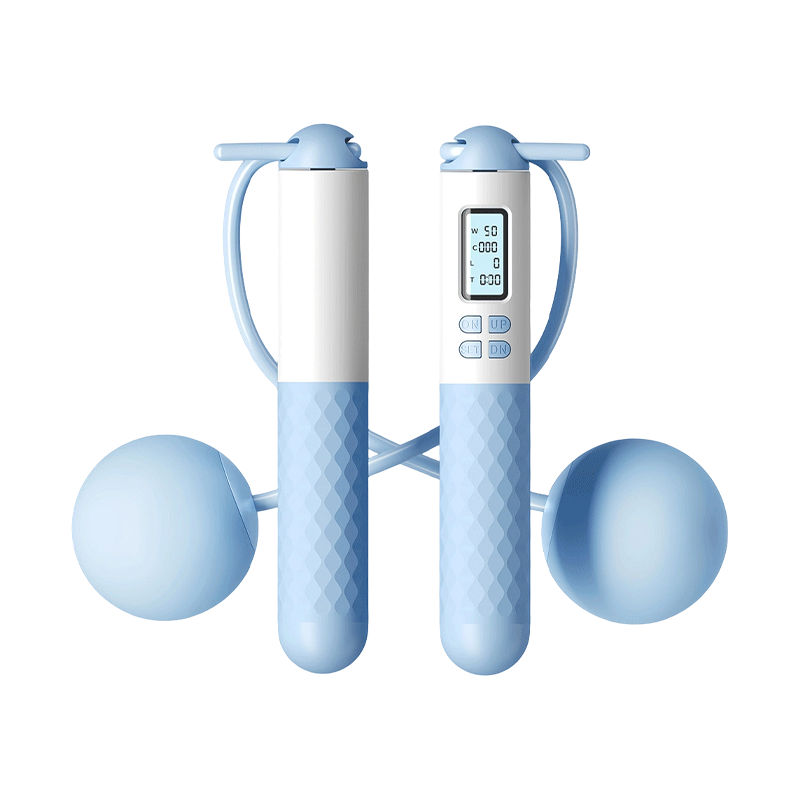
TS-7 ABS Handle Electronic Counting Jump Rope
-
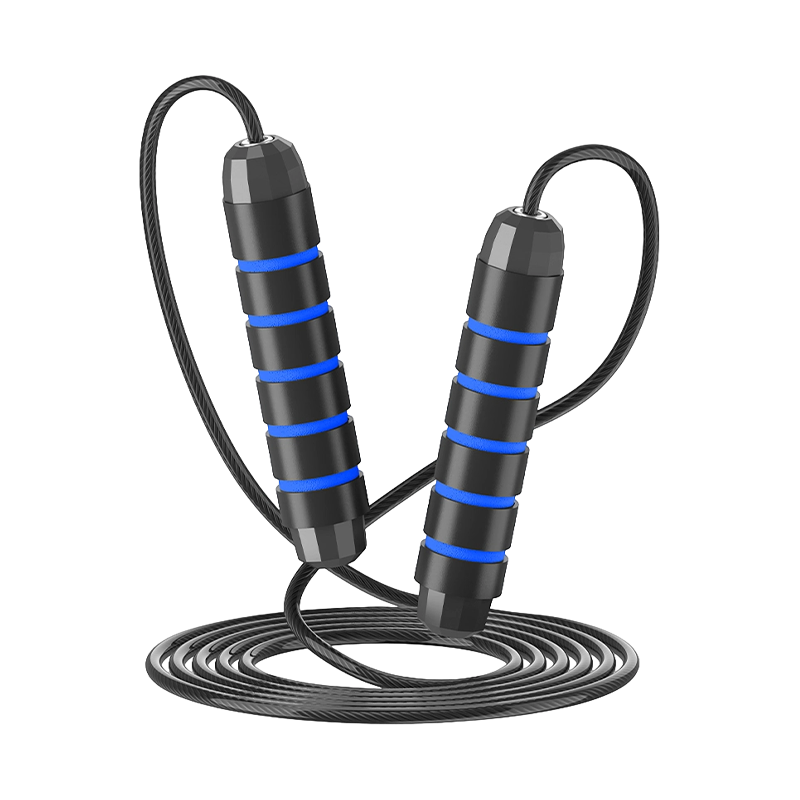
TS-3 Five-Slot Smooth Sponge Handle Jump Rope For Adults
-
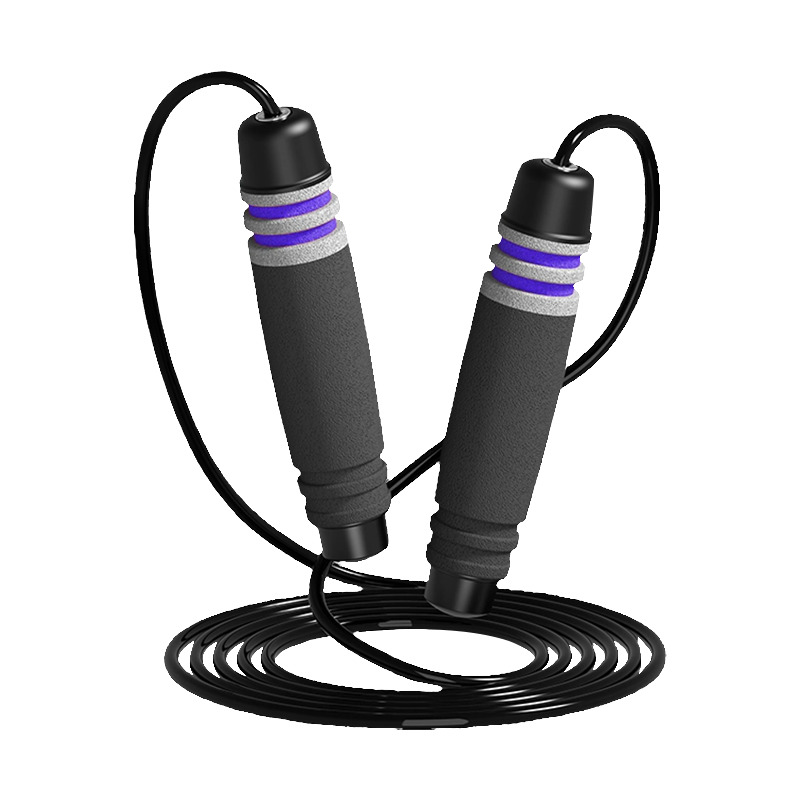
TS-3 Single Head Color/7 Groove Drum Shape Sponge Handle Jump Rope For Adults
News
-
Introduction to Racing Jump Ropes The humble jump rope, once a staple of playground nostalgia and simple cardiovascular warm-ups, has undergone a radical transformation in the mode...
READ MORE -
Discover the Power of Racing Jump Ropes Racing Jump Ropes: Defining the Speed Tool Racing Jump Ropes, often referred to as Speed Ropes, are high-performance fitness tools specifica...
READ MORE -
Introduction Jump rope workouts have long been a staple in fitness routines due to their simplicity and effectiveness. However, with the advent of technology, counting jump ropes h...
READ MORE -
Understanding the Benefits of Rubber Handle Jump Rope for Different Fitness Levels Jump rope is a simple yet highly effective fitness tool that has been gaining popularity in both ...
READ MORE

Contact Us
-

No. 215, Lane 4, Qiaotou Road, Qiaotou Town, Cixi City, Ningbo, Zhejiang Province, China.
-

+86-13867815229
-

Copyright © Cixi Lingdong Electronic Technology Co., Ltd. ALL rights reserved

UP