English
 Español
 عربى
عربىTwo ropes, two very different learning curves — here's the real answer, backed by timing, space, and progression logic rather than marketing claims.
Cordless Ropes Are Better for True Beginners
For most people just starting out, a cordless jump rope is the better choice. It removes the biggest obstacle new jumpers face — tripping over a long cable — and lets you focus entirely on timing, wrist rotation, and rhythm. A traditional rope becomes the better tool once you've built basic coordination and want to progress toward speed work, double unders, or weighted conditioning.
jump rope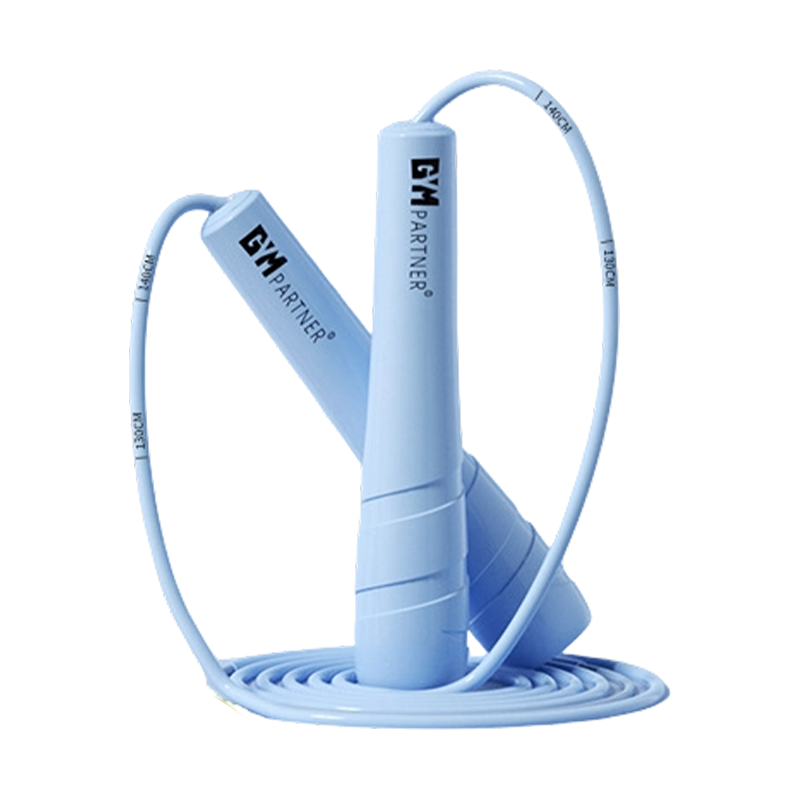
This isn't a permanent choice between two separate sports. Most experienced jumpers use both: a cordless rope for warm-ups, tight spaces, or skill drills, and a traditional rope for cardio-intensive sessions. Understanding when each one earns its place in your routine is more useful than picking a single "winner."
What Makes a Rope "Beginner-Friendly"?
Before comparing the two rope types, it helps to define what beginners actually struggle with. Research on motor skill acquisition shows that new skills are learned faster when the number of variables a learner has to manage at once is reduced. Jump rope is no exception.
The Three Core Challenges for New Jumpers
- Timing the jump to match rope rotation
- Controlling wrist rotation instead of swinging the whole arm
- Recovering quickly after a missed rep without losing rhythm
A rope type that reduces friction in any of these three areas will shorten the learning curve. This is exactly where the cordless design has an advantage.
Cordless Jump Ropes: Why They Work Well for New Users
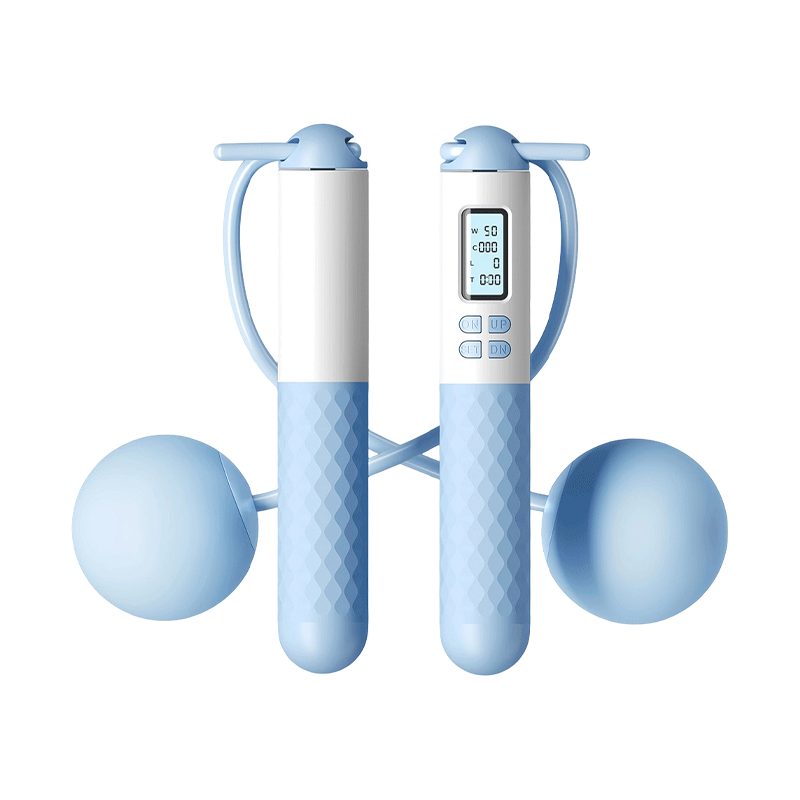
A cordless jump rope replaces the cable with a short, weighted ball or bar attached to each handle. Because there's no long rope to trip over, a beginner can practice the wrist-rotation motion repeatedly without stopping every few seconds to untangle a cable from their feet.
Practical Benefits
- No tripping, so momentum and confidence build faster
- Usable in small apartments, hotel rooms, or offices
- Lower noise level, since there's no rope slapping the floor
- Easier to isolate and correct wrist mechanics
Think of a cordless rope as training wheels: extremely effective early on, but not the long-term tool for advanced footwork like double unders or crossovers.
The trade-off is that cordless ropes don't fully replicate the feel of a real cable moving through the air, so timing transfers only partially once you switch to a traditional rope.
Traditional Jump Ropes: Where They Outperform Cordless Options
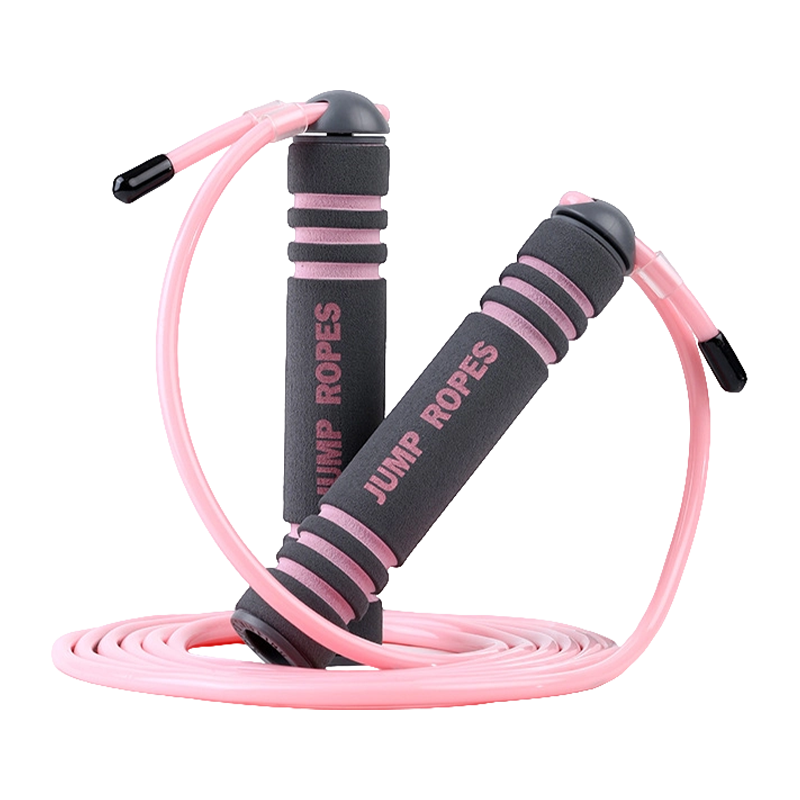
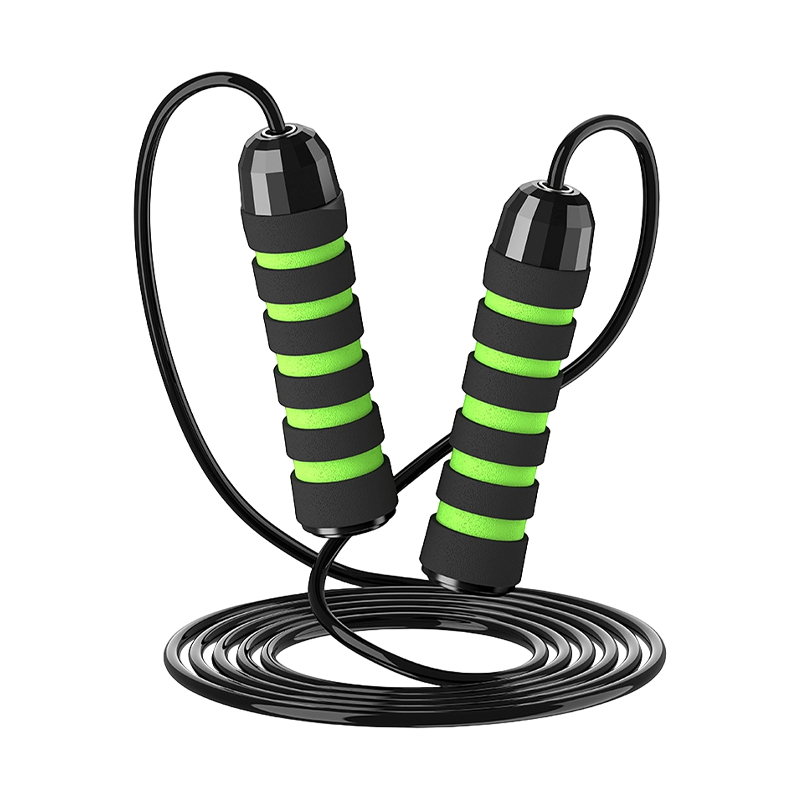
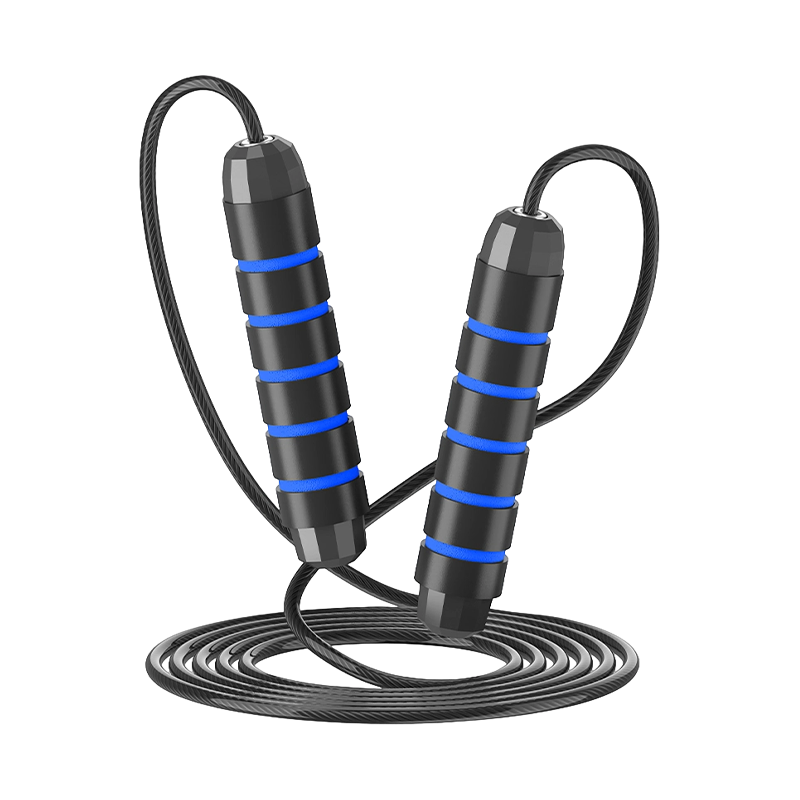
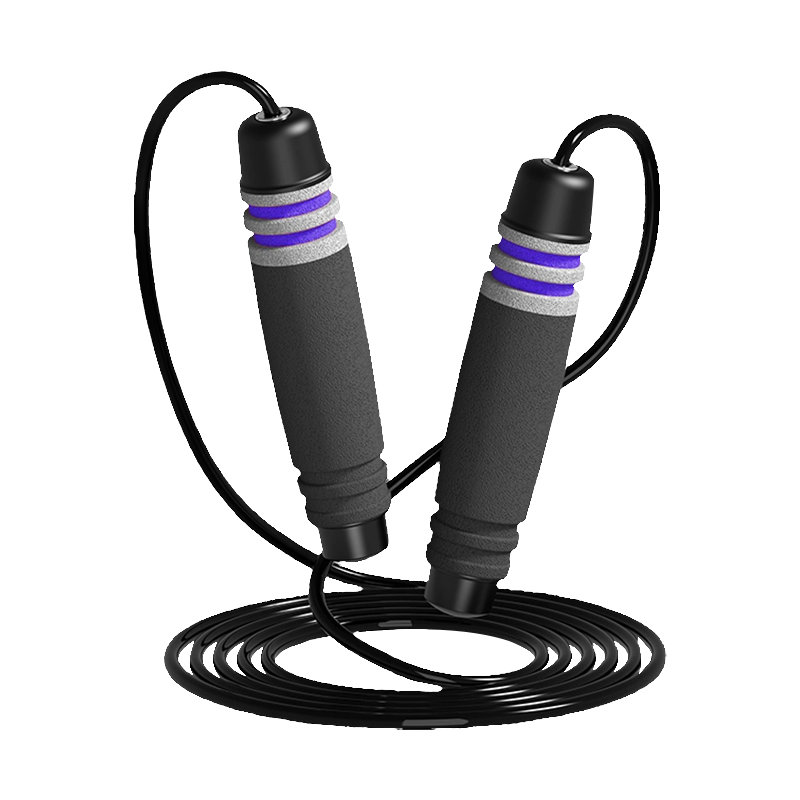
A traditional rope — whether PVC, nylon, or a coated steel cable — gives real feedback through its rotation. You feel the rope reach its lowest point and can time your jump against it, which is the exact skill you eventually need for consistent, higher-rep sessions.
Where Traditional Ropes Excel
- Better long-term skill transfer for speed and double unders
- More accurate calorie burn, since full-body coordination is involved
- Adjustable length for a precise fit
- Wide range of resistance options, including a weighted skipping rope for added conditioning
Most new jumpers miss 8 to 15 times per minute in their first week, and each miss with a traditional rope costs several seconds of momentum — a real factor for beginner motivation.
Side-by-Side Comparison
| Factor | Cordless Rope | Traditional Rope |
|---|---|---|
| Learning curve | Faster, fewer interruptions | Slower, more resets |
| Space required | Minimal | Moderate to large |
| Skill transfer to advanced moves | Limited | High |
| Noise level | Low | Moderate |
| Best for | First 2–4 weeks of training | Ongoing cardio and speed work |
Adding Resistance: When a Weighted Skipping Rope Makes Sense
Once basic timing is established — usually after two to four weeks of consistent practice — many beginners look for more resistance to build shoulder and forearm endurance. This is where a weighted skipping rope becomes useful. Adding weight, whether in the handles or the cable itself, slows the rope's rotation slightly, which paradoxically makes it easier to track visually while increasing the strength demand on each swing.
Weighted Handles vs Weighted Cable
Weighted handles emphasize shoulder and forearm engagement, since the resistance is concentrated where you grip the rope. A weighted cable, by contrast, builds more consistent momentum through the full rotation, which some beginners find smoother to follow than a lightweight PVC cord.
Systems built around interchangeable weighted cables — such as a crossrope weighted jump rope set — let you start light and increase resistance gradually without needing to buy an entirely new rope each time. This mirrors how strength training typically works: small, controlled increases rather than jumping straight to a heavy implement.
A Practical Progression Plan for Beginners
Rather than treating this as an either/or decision, most coaches recommend a phased approach that uses both rope types at different stages.
- Weeks 1–2: Use a cordless rope daily for 5–10 minutes to build wrist timing without interruptions.
- Weeks 3–4: Introduce a lightweight traditional rope, focusing on single-bounce rhythm.
- Weeks 5–6: Add a light weighted skipping rope to build endurance in the forearms and shoulders.
- Week 7 onward: Alternate between traditional and weighted ropes depending on whether the session focuses on speed or strength.
This progression typically reduces the frustration that causes many beginners to abandon jump rope training within the first two weeks — a common dropout point according to fitness habit-formation studies.
Cost and Space Considerations
Cordless ropes are generally inexpensive, often under $15, making them a low-risk entry point. Traditional ropes span a wider price range, from basic PVC options under $10 to premium weighted or interchangeable-cable systems priced between $30 and $70. If budget is the main constraint, starting cordless and upgrading only once comfortable with the movement is the more economical route.
Space is another practical factor. A traditional rope needs roughly seven feet of clearance overhead and to each side, which rules out low-ceiling rooms or cramped apartments. A cordless rope needs barely more room than your own body, making it the more realistic option for anyone training in a small space.
Final Recommendation
If you're brand new to jump rope training, start with a cordless rope to build timing and confidence without the frustration of constant trips. Move to a traditional rope once you can string together 30–50 consistent jumps, and consider a weighted skipping rope or a modular option like a crossrope weighted jump rope when you're ready to add strength conditioning to your cardio routine. The goal isn't choosing one rope forever — it's using the right tool for the stage of training you're actually in.