

 English
 Español
 عربى
عربىThe company adhering to the "customer first and forge ahead" business philosophy, adhere to provide our customers with quality service.
What impact does handle weight distribution have on swing control and counting accuracy in the Electronic Counting Jump Rope?
-
Fundamental Role of Handle Weight in Swing Dynamics — In an Electronic Counting Jump Rope, the handles are not merely support structures; they are integral to the rope’s rotational mechanics and overall user control. The distribution of weight along the handle directly affects the center of gravity, rotational inertia, and momentum during each swing. Handles that are excessively heavy toward the tip or excessively light near the sensor housing can disrupt balance, leading to uneven swings, oscillations, or lateral wobbling. Such inconsistencies in motion require the user to overcompensate through wrist or forearm adjustments, which increases fatigue and reduces the fluidity of the jump motion. Conversely, handles with a properly engineered mass distribution promote a smooth, predictable arc for each rope rotation. This enables consistent wrist action, reduces unnecessary corrective motions, and ensures the rope completes a full rotation with minimal deviation, which is critical for both user performance and accurate sensor detection.
-
Influence on Sensor Performance and Counting Accuracy — Electronic Counting Jump Ropes rely on internal sensors, typically accelerometers, gyroscopes, or magnetic switches, to detect each completed rotation of the rope. If the handle weight distribution is unbalanced, the rope’s motion may become erratic, with varying angular velocities or minor wobbling. This irregularity can produce inconsistent sensor readings, resulting in miscounted jumps, skipped counts, or even double counting. For example, during high-speed sessions such as double-unders, uneven handle mass may cause the rope to accelerate or decelerate unpredictably during a single rotation, leading the sensor to fail to detect certain swings. By optimizing handle weight distribution—placing sufficient mass near the user’s grip while keeping the distal end lighter—manufacturers enhance the stability of the swing, ensuring the electronic sensors register each jump consistently and accurately, even at high repetition rates.
-
Impact on Wrist Control and Fatigue Reduction — Poorly balanced handles force the user to make compensatory adjustments with the wrists, forearms, and even shoulders to maintain proper rope trajectory. This not only increases muscular fatigue but also introduces micro-vibrations and rotational inconsistencies that can compromise both swing smoothness and counting accuracy. Handles designed with optimal weight distribution minimize the need for corrective movements by centering the mass closer to the user’s hand, allowing for precise wrist-driven motion. This ergonomic consideration reduces strain on the forearm muscles, enabling longer, more comfortable workout sessions without sacrificing control or sensor reliability.
-
Effect on Swing Rhythm, Rope Trajectory, and Jump Timing — Swing rhythm is crucial for jump rope exercises, particularly for high-speed, timed, or goal-oriented workouts. Balanced handles facilitate a consistent rope arc and rotational velocity, which allows the user to anticipate the rope’s position for precise jump timing. Unevenly weighted handles, however, create an irregular swing pattern that can accelerate or decelerate unexpectedly mid-rotation. Such fluctuations disrupt the timing of jumps and generate inconsistent sensor signals, leading to inaccurate electronic counting. Properly weighted handles maintain a predictable angular momentum, synchronize rope speed with user jumps, and optimize the performance of both the athlete and the counting electronics.
-
Design Considerations in Handle Engineering — Modern Electronic Counting Jump Ropes incorporate handles engineered for both ergonomic comfort and mechanical precision. High-quality handles often feature weighted cores or strategically positioned inserts that place mass near the grip while keeping the distal end lighter. This design reduces rotational inertia at the far end of the rope, making swings more controllable and predictable. Handle geometry also incorporates contours or textured grips that facilitate correct wrist motion, minimize slippage, and dampen vibrations, all of which enhance swing control and ensure consistent sensor readings. The material composition of the handle further contributes to performance, with durable, lightweight plastics or aluminum providing structural rigidity without adding unnecessary mass that could destabilize the rope swing.
-
Progressive Interaction Between Handle Balance and User Performance — The synergy between handle weight distribution, wrist control, and sensor response directly impacts workout effectiveness. Balanced handles allow the user to maintain a stable rhythm, execute precise jump timing, and perform advanced techniques like double-unders or speed jumps without worrying about counting errors. This balance also allows the electronic sensor to interpret rope rotations accurately, producing reliable metrics for jump count, calories burned, workout duration, and other performance indicators. In contrast, unbalanced handles can create inconsistent swings, inaccurate counts, premature fatigue, and even frustration for the user, demonstrating the critical role that weight distribution plays in both the mechanical and digital performance of the jump rope.
Related Product
-
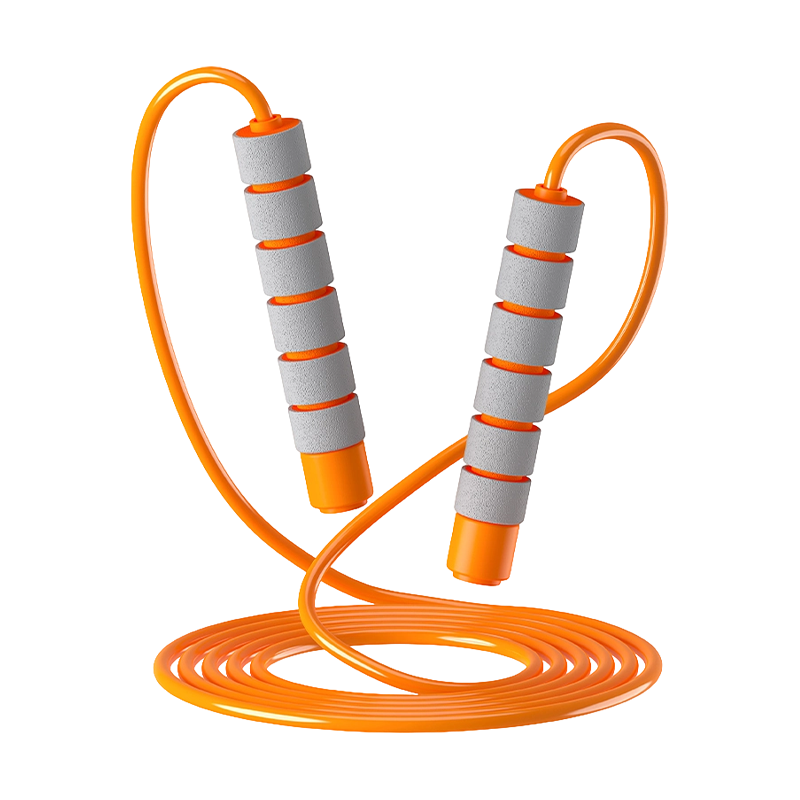
TS-1 PVC Rope Sponge Handle Jump Rope For Children
-
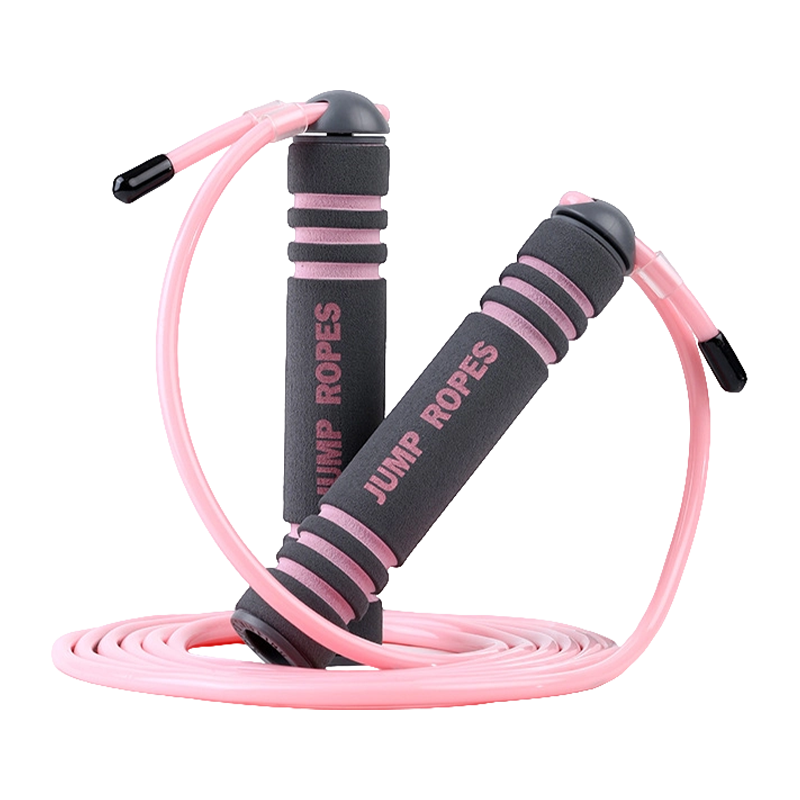
S-17 Sponge Handle Jump Rope For Children
-

TS-2 5 Slots Sponge Handle Jump Rope For Adults
-
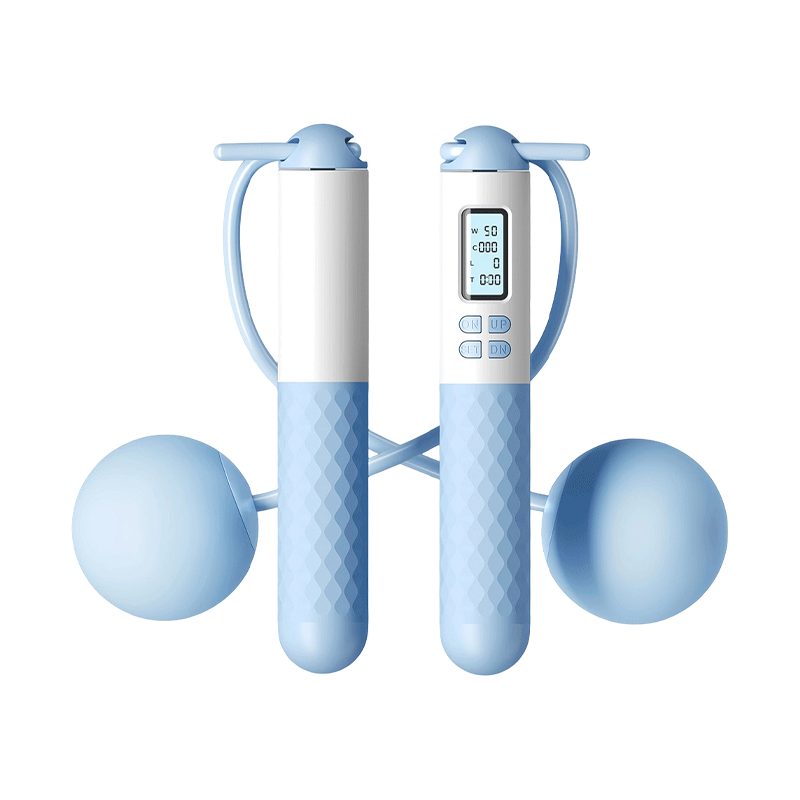
TS-7 ABS Handle Electronic Counting Jump Rope
-
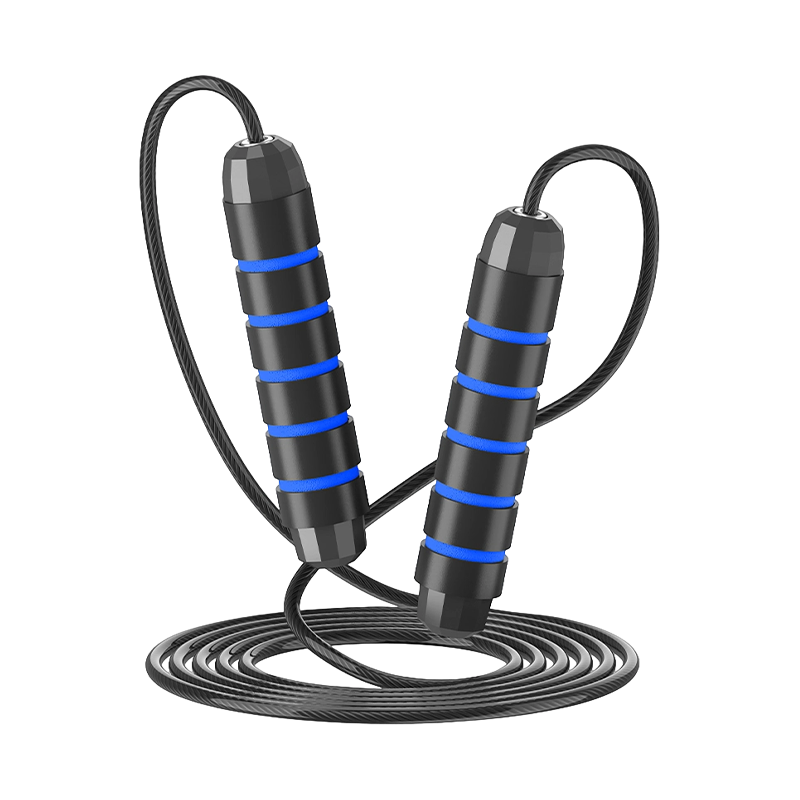
TS-3 Five-Slot Smooth Sponge Handle Jump Rope For Adults
-
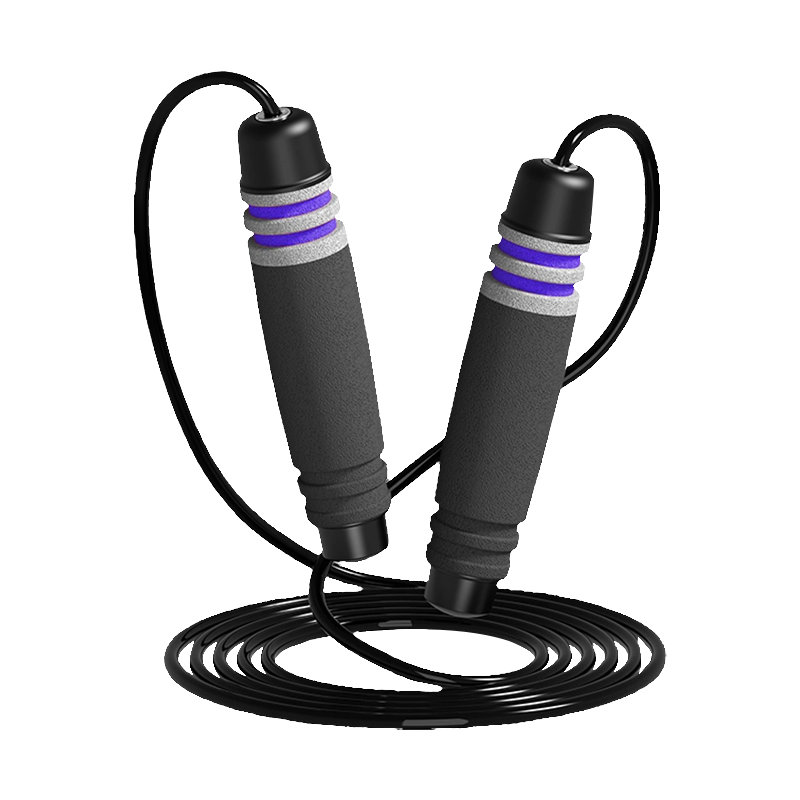
TS-3 Single Head Color/7 Groove Drum Shape Sponge Handle Jump Rope For Adults
News
-
Introduction to Racing Jump Ropes The humble jump rope, once a staple of playground nostalgia and simple cardiovascular warm-ups, has undergone a radical transformation in the mode...
READ MORE -
Discover the Power of Racing Jump Ropes Racing Jump Ropes: Defining the Speed Tool Racing Jump Ropes, often referred to as Speed Ropes, are high-performance fitness tools specifica...
READ MORE -
Introduction Jump rope workouts have long been a staple in fitness routines due to their simplicity and effectiveness. However, with the advent of technology, counting jump ropes h...
READ MORE -
Understanding the Benefits of Rubber Handle Jump Rope for Different Fitness Levels Jump rope is a simple yet highly effective fitness tool that has been gaining popularity in both ...
READ MORE

Contact Us
-

No. 215, Lane 4, Qiaotou Road, Qiaotou Town, Cixi City, Ningbo, Zhejiang Province, China.
-

+86-13867815229
-

Copyright © Cixi Lingdong Electronic Technology Co., Ltd. ALL rights reserved

UP