

 English
 Español
 عربى
عربىThe company adhering to the "customer first and forge ahead" business philosophy, adhere to provide our customers with quality service.
What are the key differences between a Racing Jump Rope and a standard jump rope in terms of design and performance?
Design and Material Differences
Racing Jump Rope: Racing jump ropes are primarily designed with performance and speed in mind. The cable is generally lightweight and thin, made from high-quality materials such as steel coated with PVC or nylon, allowing it to cut through the air with minimal resistance. This design enables the user to achieve higher rotation speeds, which is crucial for advanced jump rope techniques such as double-unders or triple-unders. The handles of a racing jump rope are slim and aerodynamic, designed for quick grip and smooth rotation. Typically, racing jump ropes are equipped with precision ball bearings inside the handles, which facilitate a smooth, frictionless rotation. These bearings allow for faster swings, greater control, and a more efficient jumping experience, making them ideal for high-intensity training. The overall construction of a racing jump rope is built with durability in mind, ensuring that it can withstand the demands of competitive training or intense fitness routines, where consistent speed is essential.
Standard Jump Rope: In contrast, a standard jump rope tends to be heavier and bulkier, designed with a more generalized use in mind. The cables of standard ropes are usually thicker and made from materials like cotton, leather, or braided nylon, which provide a more moderate level of resistance during rotation. While this can be advantageous for general fitness and beginners learning the basics, it does not facilitate the high-speed performance required for more advanced techniques. The handles on a standard jump rope are typically larger and heavier, offering a comfortable grip for everyday use but not designed to maximize speed. Many standard jump ropes rely on friction-based mechanisms in the handles, which can result in slower rotations and less control compared to the smooth ball-bearing systems found in racing ropes. The focus of a standard jump rope is often on comfort and ease of use rather than high-performance or precision.
Performance Characteristics
Racing Jump Rope: The key performance advantage of a racing jump rope is its ability to achieve high-speed rotations. The combination of a lightweight cable and precision ball bearings ensures that the rope can spin quickly and smoothly with minimal effort from the user. This makes the racing jump rope ideal for athletes looking to perform advanced jump rope techniques like double-unders, where the rope must pass under the feet twice with a single jump. Racing jump ropes are built to minimize air resistance, allowing for faster and more controlled swings, which is critical for athletes training at a competitive level. The smooth rotation system reduces hand fatigue and provides greater control over each jump, making it easier for athletes to maintain rhythm and pace during high-intensity workouts. Furthermore, the lightweight construction allows for rapid acceleration and deceleration, making it easier to adapt to rapid changes in speed during drills or competition.
Standard Jump Rope: While the performance of standard jump ropes is more geared towards moderate-paced workouts, they are not built for speed and agility training. The thicker cables and friction-based mechanisms often result in slower rotation, which is more suitable for beginners who are still learning timing and rhythm. For those focusing on general cardiovascular fitness or low to moderate intensity exercises, the standard jump rope is sufficient. It provides a steady, predictable swing, making it easier for novices to get accustomed to the motion. However, when it comes to advanced techniques like double-unders or speed drills, a standard jump rope typically cannot match the speed and smoothness required for optimal performance. This makes it less effective for athletes focused on achieving precision or pushing the limits of jump rope techniques.
Ideal Use Cases
Racing Jump Rope: Racing jump ropes are primarily designed for athletes and fitness enthusiasts who focus on speed, agility, and competition. They are highly effective for training in high-intensity interval training (HIIT) sessions, where fast, efficient movements are essential. Athletes in disciplines like CrossFit, boxing, or martial arts benefit from using racing jump ropes to improve their footwork, hand-eye coordination, and cardiovascular endurance. These ropes are specifically built to perform at maximum speed during fast-paced drills, where precise timing and quick rotations are necessary. Racing jump ropes are also ideal for those training for jump rope competitions, where speed and accuracy are key to success. The high-speed capabilities of racing jump ropes make them indispensable for advanced jump rope routines that require rapid execution of complex maneuvers.
Standard Jump Rope: Standard jump ropes, on the other hand, are better suited for general fitness routines, warm-ups, or beginner exercises. They provide a great option for individuals looking to improve their cardiovascular health, coordination, and balance without the need for high-speed performance. For those new to jump roping, a standard rope allows them to practice the basic technique without the pressure of fast rotations. These ropes are also ideal for more relaxed or moderate-intensity workouts that focus on endurance or steady rhythm rather than speed. Standard jump ropes are commonly used in fitness classes, rehabilitation, or casual exercise sessions where the focus is on developing foundational skills and improving general fitness.
Durability and Maintenance
Racing Jump Rope: Racing jump ropes are constructed with high-durability materials such as steel cables coated with PVC or nylon, ensuring they can withstand the wear and tear of intense training and frequent use. The bearings in the handles are designed to last, but they may require occasional maintenance, such as lubrication, to keep them functioning optimally. These ropes are typically more resistant to fraying or breaking, even after extensive use on hard surfaces. However, due to the lightweight and precise nature of the rope, it is important to store it properly to avoid damage, as the thin cable can be susceptible to abrasion or kinks if exposed to rough conditions.
Standard Jump Rope: Standard jump ropes, depending on the material, are generally more forgiving in terms of durability but may show signs of wear sooner, especially when used on rough surfaces. Cotton ropes may fray over time, and plastic or rubber cables can lose their shape or stretch with frequent use. While standard ropes don’t require as much maintenance as racing ropes, they may not have the same level of long-term durability under heavy use, especially in competitive or high-intensity training environments. The handles, typically made from plastic or foam, may also wear out over time, losing grip or comfort, especially during prolonged sessions.
Related Product
-
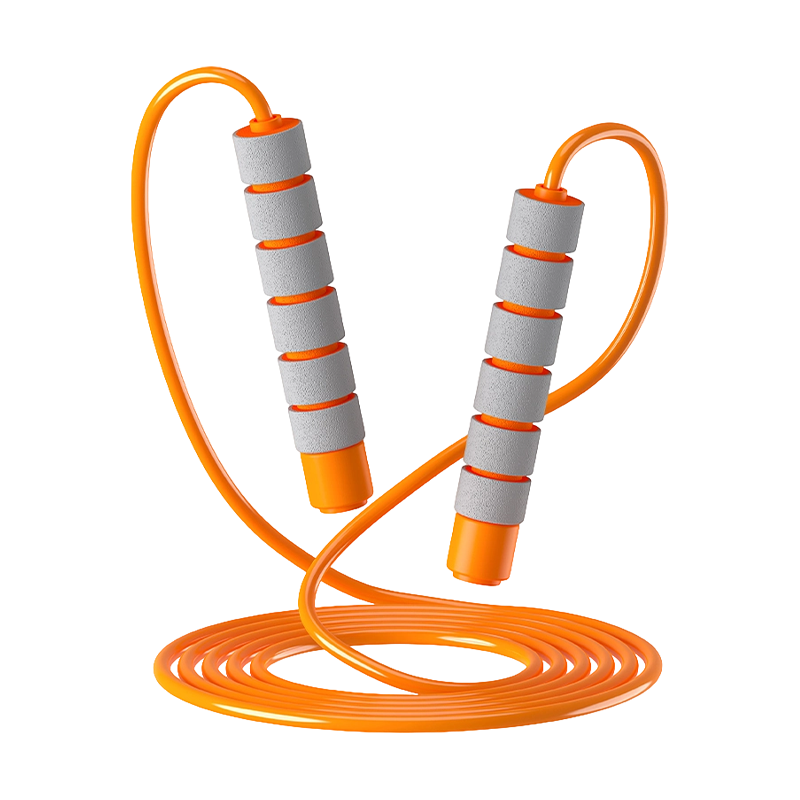
TS-1 PVC Rope Sponge Handle Jump Rope For Children
-
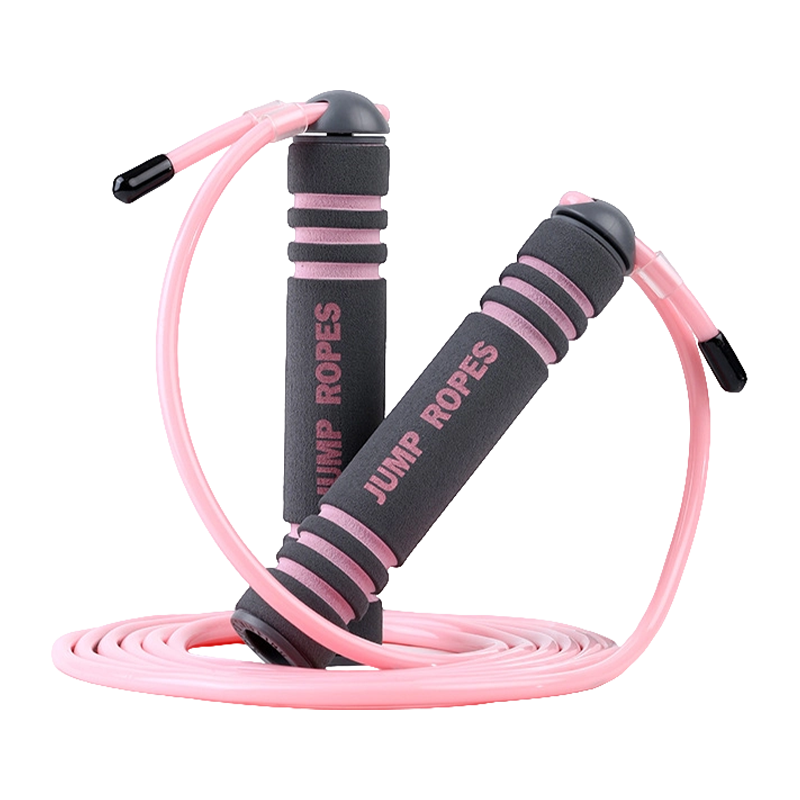
S-17 Sponge Handle Jump Rope For Children
-

TS-2 5 Slots Sponge Handle Jump Rope For Adults
-
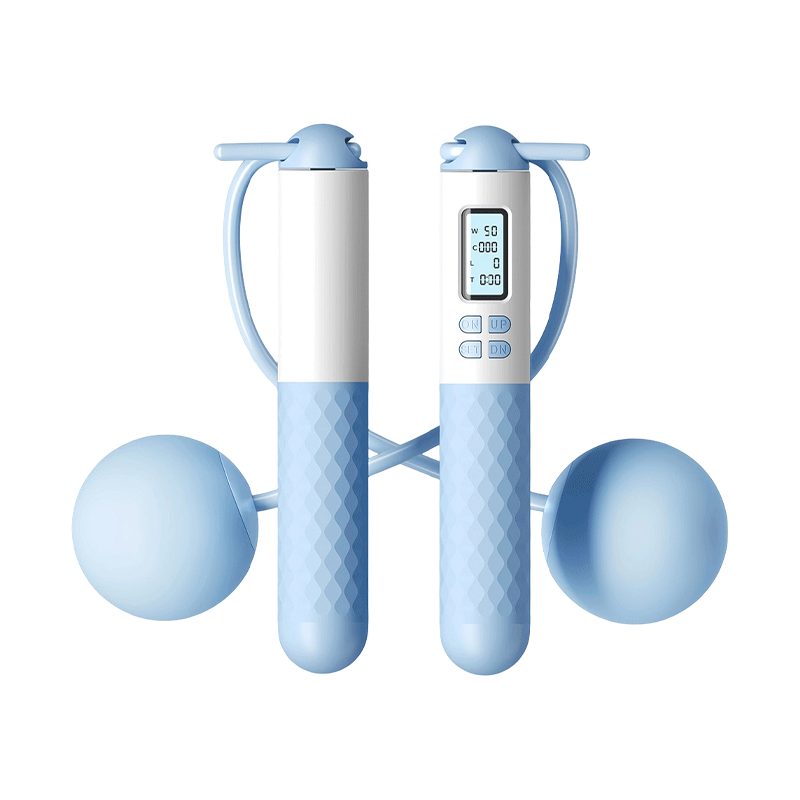
TS-7 ABS Handle Electronic Counting Jump Rope
-
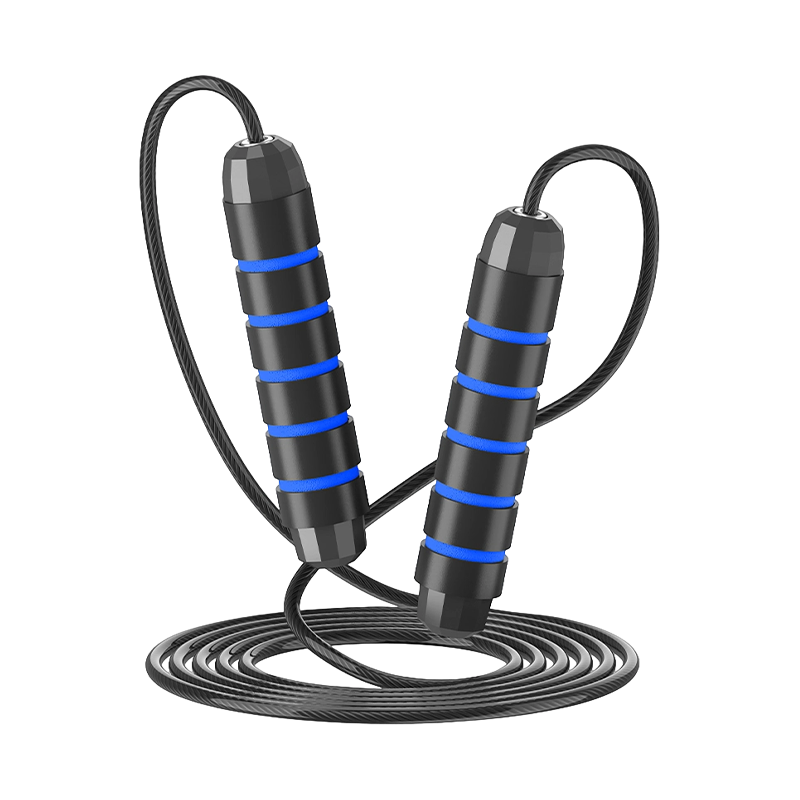
TS-3 Five-Slot Smooth Sponge Handle Jump Rope For Adults
-
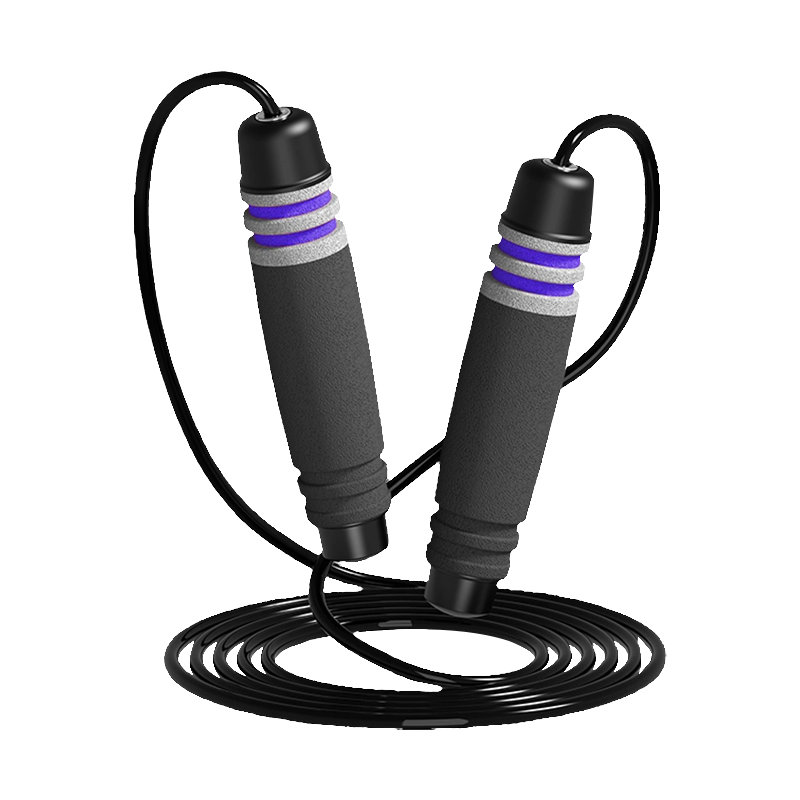
TS-3 Single Head Color/7 Groove Drum Shape Sponge Handle Jump Rope For Adults
News
-
Introduction to Racing Jump Ropes The humble jump rope, once a staple of playground nostalgia and simple cardiovascular warm-ups, has undergone a radical transformation in the mode...
READ MORE -
Discover the Power of Racing Jump Ropes Racing Jump Ropes: Defining the Speed Tool Racing Jump Ropes, often referred to as Speed Ropes, are high-performance fitness tools specifica...
READ MORE -
Introduction Jump rope workouts have long been a staple in fitness routines due to their simplicity and effectiveness. However, with the advent of technology, counting jump ropes h...
READ MORE -
Understanding the Benefits of Rubber Handle Jump Rope for Different Fitness Levels Jump rope is a simple yet highly effective fitness tool that has been gaining popularity in both ...
READ MORE

Contact Us
-

No. 215, Lane 4, Qiaotou Road, Qiaotou Town, Cixi City, Ningbo, Zhejiang Province, China.
-

+86-13867815229
-

Copyright © Cixi Lingdong Electronic Technology Co., Ltd. ALL rights reserved

UP