

 English
 Español
 عربى
عربىThe company adhering to the "customer first and forge ahead" business philosophy, adhere to provide our customers with quality service.
Is a Weighted Jump Rope more effective than a lightweight jump rope for building upper body strength?
If you are wondering whether a weighted jump rope builds upper body strength more effectively than a lightweight jump rope, the short answer is yes — but with important nuances. A weighted jump rope significantly increases muscular demand on the shoulders, arms, and core compared to a standard lightweight rope. However, its effectiveness depends on your training goals, current fitness level, and how you structure your workouts. This article breaks down the key differences so you can make an informed choice.
What Makes a Weighted Jump Rope Different
A weighted jump rope differs from a standard rope in one fundamental way: resistance. The added weight — typically located in the handles, the cable, or both — forces your upper body muscles to work harder with every rotation. This continuous resistance creates a training stimulus that a lightweight rope simply cannot replicate at the same intensity.
Weighted jump ropes generally fall into two categories:
- Handle-weighted ropes: Weight is concentrated in the handles (typically 1–2 lbs per handle), targeting the forearms, biceps, and shoulder stabilizers.
- Cable-weighted ropes: Weight is distributed along the rope itself, engaging the full arc of motion and demanding more from the deltoids and rotator cuff muscles.
By contrast, a lightweight rope used as a rope skipping rope prioritizes speed and coordination. It is excellent for cardiovascular conditioning and footwork but provides minimal resistance to the upper body muscles.
Upper Body Muscles Engaged: Weighted vs. Lightweight
Understanding which muscles each rope type activates helps clarify the strength-building gap between them.
| Muscle Group | Lightweight Jump Rope | Weighted Jump Rope |
|---|---|---|
| Deltoids (Shoulders) | Low activation | Moderate–High activation |
| Biceps & Triceps | Minimal | Low–Moderate activation |
| Forearms & Grip | Low activation | High activation |
| Rotator Cuff | Minimal | Moderate activation |
| Core Stabilizers | Low–Moderate | Moderate–High activation |
A study published in the Journal of Strength and Conditioning Research found that resistance-based cardio tools increase upper body muscular endurance by up to 18% more than non-resistance equivalents when used consistently over 8 weeks. The weighted jump rope falls squarely into this category of resistance-based cardio.
Calorie Burn and Cardiovascular Output
One common concern is whether switching to a weighted rope compromises cardiovascular output. The data suggests it does not — and in many cases, it improves it.
- A 150 lb person using a lightweight rope burns approximately 300–400 calories in 30 minutes.
- The same person using a weighted rope burns approximately 370–480 calories in the same duration, due to the added muscular effort.
The elevated calorie burn comes directly from greater muscle recruitment. When you use a jump rope for working out with added resistance, your heart rate climbs faster and stays elevated longer, which enhances both aerobic and anaerobic conditioning simultaneously.
Strength Building: Realistic Expectations
It is important to set realistic expectations. A weighted jump rope will not replace dedicated weight training for building significant upper body mass. What it does exceptionally well is:
- Build muscular endurance in the shoulders, forearms, and arms
- Improve grip strength through sustained rotational resistance
- Tone and define the upper arms and shoulders over time
- Strengthen the rotator cuff and shoulder joint stabilizers — areas often neglected in traditional lifting
For someone whose primary goal is hypertrophy (muscle size), a weighted jump rope should be viewed as a powerful complement to a strength training program, not a standalone solution. For general fitness, toning, and endurance, however, it is a highly effective standalone tool.
How Weight Selection Affects Results
Choosing the right rope weight matters significantly:
- 1 lb total rope weight: Best for beginners; improves coordination while introducing light shoulder resistance.
- 2–3 lbs total: Ideal for intermediate users; noticeably increases deltoid and forearm fatigue within 10–15 minutes.
- 4–6 lbs total: Advanced users only; significant upper body conditioning stimulus, but technique and joint health must be prioritized.
Who Should Choose a Weighted Jump Rope
A weighted jump rope is the better option for you if:
- You want to combine cardio and upper body conditioning in a single tool
- You are looking to improve shoulder endurance for sports like boxing, tennis, or swimming
- You have plateaued with a standard rope skipping rope and need a new training stimulus
- You train in limited spaces and need a versatile, full-body tool
- You want to burn more calories without increasing workout duration
A lightweight jump rope remains the better choice if your primary goal is speed training, double-unders, competitive jump rope performance, or high-frequency footwork drills where rope weight would impede technique.
Practical Training Tips for Maximum Upper Body Benefit
To maximize upper body strength gains from your weighted jump rope sessions, apply these evidence-based strategies:
- Focus on wrist rotation, not full arm swinging. Controlled wrist movement isolates the forearms and keeps the deltoids under sustained tension throughout the set.
- Use interval training. Alternate 30 seconds of intense jumping with 15 seconds of rest. This approach has been shown to maximize both cardiovascular and muscular endurance gains.
- Progressively increase rope weight. Start with a lighter rope and add resistance every 3–4 weeks as your shoulder and forearm endurance improves.
- Combine with bodyweight upper body exercises. Pairing your weighted rope sessions with push-ups, dips, or shoulder presses creates a comprehensive upper body training circuit.
- Maintain proper posture. Keep your elbows close to your body and your shoulders relaxed but engaged. Slouching or raising the shoulders reduces effectiveness and increases injury risk.
Sample Weekly Training Structure
| Day | Activity | Duration |
|---|---|---|
| Monday | Weighted jump rope intervals + push-ups | 25–30 min |
| Wednesday | Lightweight rope skipping rope speed drills | 20 min |
| Friday | Weighted rope HIIT + shoulder bodyweight circuit | 30–35 min |
| Saturday | Active recovery or light jump rope for working out | 15 min |
When upper body strength and endurance are the goal, a weighted jump rope outperforms a lightweight jump rope in every measurable category — from muscle activation and calorie burn to grip strength development and shoulder conditioning. The resistance it adds transforms what is traditionally a lower-body and cardio exercise into a genuinely functional full-body workout.
That said, the smartest approach is not to choose one over the other permanently. Using a weighted rope as your primary training tool and incorporating a lightweight rope for speed and agility sessions gives you the best of both worlds. Whether you are picking up a jump rope for working out for the first time or looking to break through a fitness plateau, adding a weighted rope to your routine is one of the most efficient upgrades you can make.
Related Product
-

TS-1 PVC Rope Sponge Handle Jump Rope For Children
-
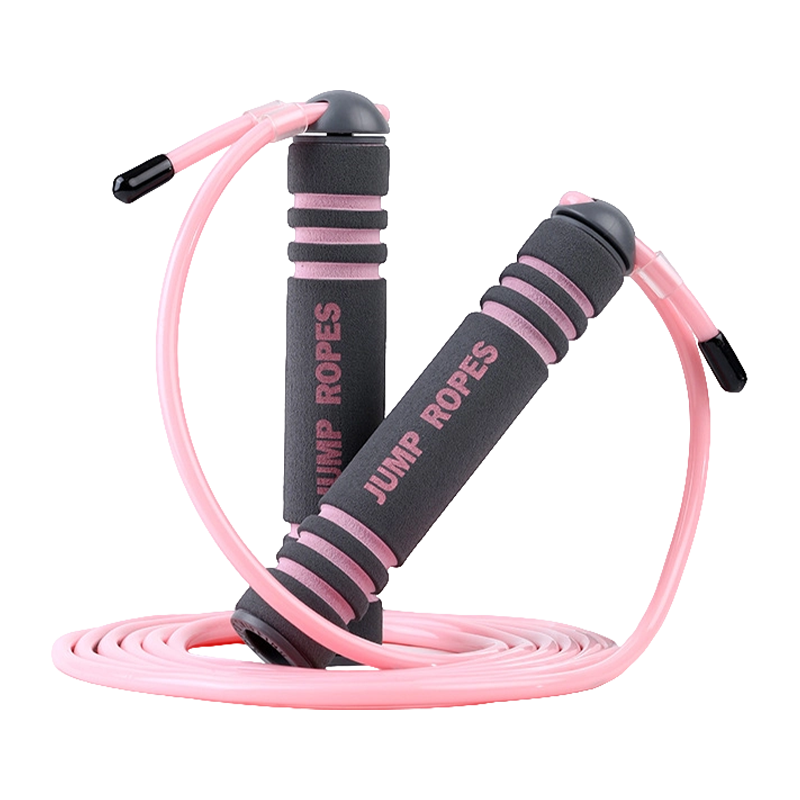
S-17 Sponge Handle Jump Rope For Children
-

TS-2 5 Slots Sponge Handle Jump Rope For Adults
-
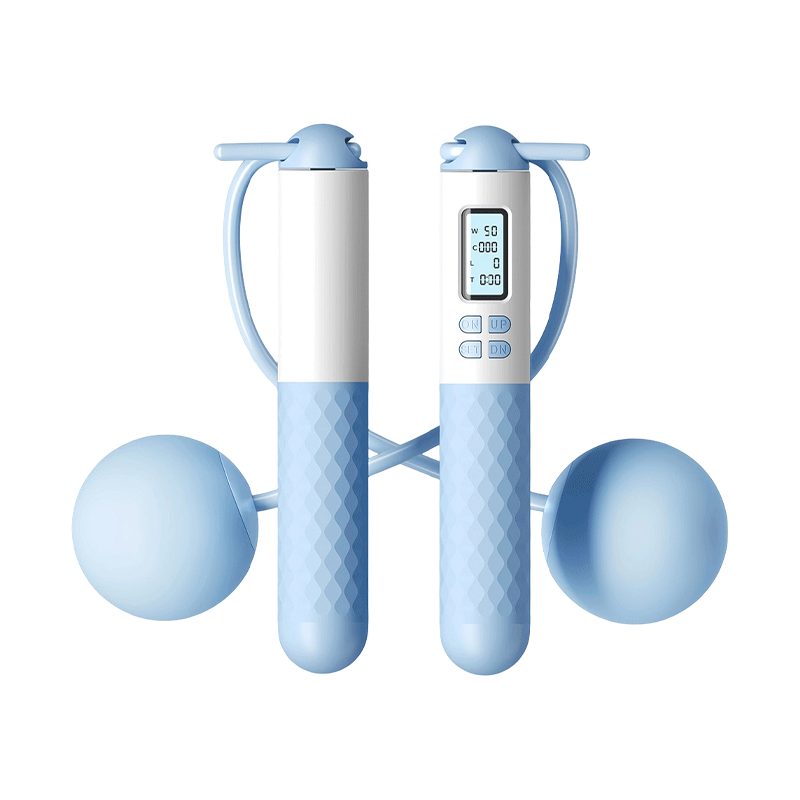
TS-7 ABS Handle Electronic Counting Jump Rope
-
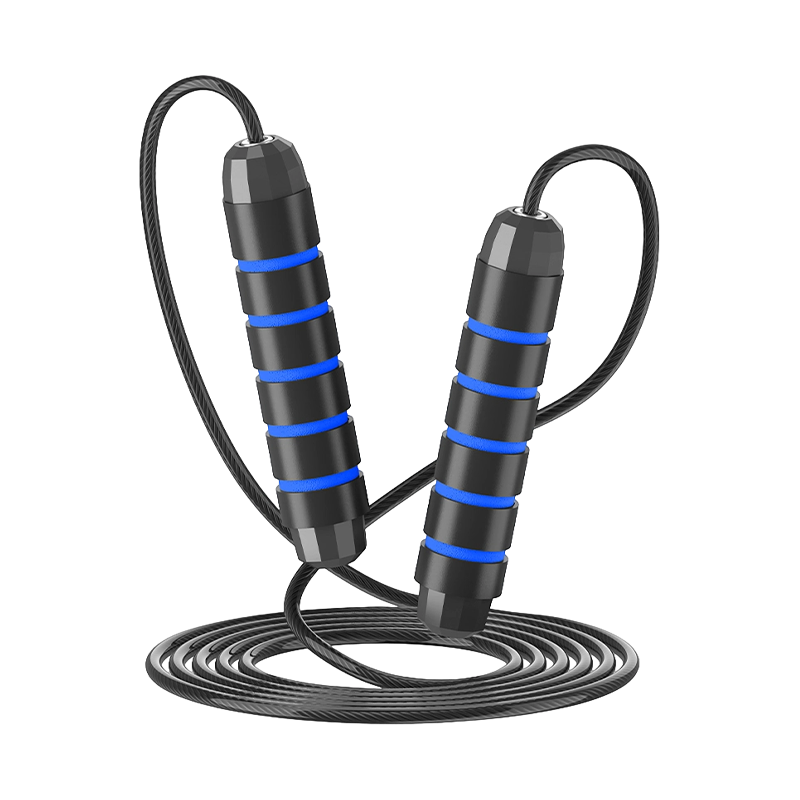
TS-3 Five-Slot Smooth Sponge Handle Jump Rope For Adults
-
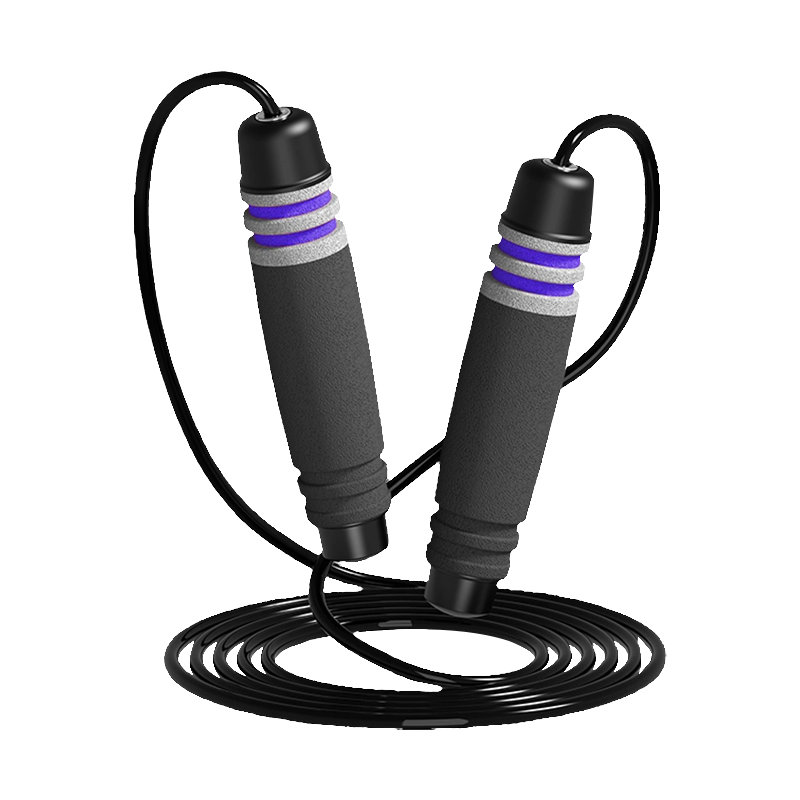
TS-3 Single Head Color/7 Groove Drum Shape Sponge Handle Jump Rope For Adults
News
-
Introduction to Racing Jump Ropes The humble jump rope, once a staple of playground nostalgia and simple cardiovascular warm-ups, has undergone a radical transformation in the mode...
READ MORE -
Discover the Power of Racing Jump Ropes Racing Jump Ropes: Defining the Speed Tool Racing Jump Ropes, often referred to as Speed Ropes, are high-performance fitness tools specifica...
READ MORE -
Introduction Jump rope workouts have long been a staple in fitness routines due to their simplicity and effectiveness. However, with the advent of technology, counting jump ropes h...
READ MORE -
Understanding the Benefits of Rubber Handle Jump Rope for Different Fitness Levels Jump rope is a simple yet highly effective fitness tool that has been gaining popularity in both ...
READ MORE

Contact Us
-

No. 215, Lane 4, Qiaotou Road, Qiaotou Town, Cixi City, Ningbo, Zhejiang Province, China.
-

+86-13867815229
-

Copyright © Cixi Lingdong Electronic Technology Co., Ltd. ALL rights reserved

UP